
HOSPITALITY SECTOR
Compiled by Tamara Rebeira
EXPERIENCE DRIVES TRAVEL
Kamal Munasinghe calls for innovation in Sri Lanka’s hospitality sector
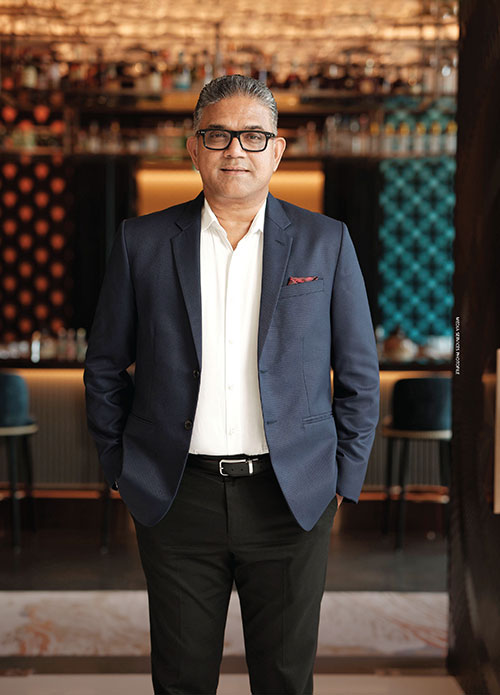
Q: In your view, what key factors will determine the tourism industry’s trajectory over the next five years?
A: Tourism recovery and regional travel trends will play a major role in shaping the industry. As global travel stabilises, destinations offering unique experiences, strong connectivity, and political and economic stability will attract more visitors.
For countries such as Sri Lanka, positioning the destination as a premium leisure and entertainment hub will be critical.
The trajectory of Sri Lanka’s hospitality sector will increasingly be shaped by demand for meaningful experiences, integrated lifestyle options and compelling destination storytelling.
Travellers today seek more than accommodation; they want to immerse themselves in the character of a place, its culture, energy and lifestyle – experience driven tourism is key. Another key factor will be the emergence of lifestyle driven destinations that combine hospitality, wellness, entertainment and culture within a single ecosystem.
Sustainability and responsible tourism will also be crucial with a greater emphasis on environmentally responsible operations, energy efficiency and community engagement. Integrated resorts will need to balance luxury with sustainable practices.
The sector must think beyond individual properties and focus on positioning cities as destinations. Hotels that see themselves as ambassadors of a city, rather than merely operators of rooms, will play an important role in shaping our global hospitality narrative.
Q: How important is market diversification for Sri Lanka’s tourism strategy, particularly in reducing our reliance on a few source markets?
A: Market diversification is essential for building resilience within the tourism industry.
Heavy reliance on a few source markets makes destinations vulnerable to economic shifts, geopolitical changes or travel disruptions. Broadening the visitor base helps create a more balanced and sustainable flow of travellers.
India currently accounts for roughly 30 percent of our arrivals, supported by proximity and strong regional connectivity. This is a positive development and the industry should continue building on this momentum as India’s outbound travel grows rapidly.
At the same time, Sri Lanka must cultivate other key markets to maintain a healthy balance. Regions such as the Middle East, Europe, Australia and parts of Asia offer strong potential, each bringing different travel patterns and expectations.
Diversification also helps manage seasonality, which is an ongoing challenge for many destinations. By attracting visitors from multiple regions throughout the year, the country can maintain more consistent demand and improve the overall stability of the hospitality sector.
Q: How important are integrated developments and lifestyle destinations in positioning Sri Lanka competitively within the region?
A: Integrated developments are becoming an increasingly important differentiator in the global hospitality landscape.
Today’s travellers value convenience and variety, and they are drawn to destinations where multiple experiences are accessible within a single environment.
Lifestyle destinations that combine accommodation, dining, entertainment, retail, wellness and large-scale event spaces enable visitors to engage with a destination in a more dynamic way.
Rather than moving between separate venues across a city, guests can enjoy a curated mix of experiences in one place. This creates energy, movement and a sense of discovery that traditional standalone hotels often cannot provide.
From a national perspective, large-scale developments help elevate Colombo’s profile as a lifestyle and business events destination. They attract international events, high value travellers and corporate visitors, helping position the city more competitively alongside regional hubs.
Q: Sustainability is increasingly shaping global travel trends. How prepared is the local hospitality sector to meet these expectations?
A: Sustainability has become a defining factor in global travel decisions. Modern travellers expect hotels and resorts to demonstrate responsible practices in areas such as energy efficiency, water management, waste reduction and community engagement.
Indeed, sustainability is no longer viewed as an added feature but a core component of responsible hospitality.
For the industry, this means embedding sustainable thinking into every aspect of operations, from design and construction to daily service delivery. It also requires meaningful engagement with local communities and a commitment to protecting the natural and cultural assets that attract visitors to the destination.
As awareness continues to grow, properties that take sustainability seriously will not only meet global expectations but also strengthen Sri Lanka’s long-term appeal as a responsible travel destination.
Q: Looking ahead, what opportunities do you believe Sri Lanka’s hospitality sector is best positioned to capitalise on?
A: Sri Lanka has a unique opportunity to position itself as a meeting point of cultures, lifestyles and experiences.
Historically located at the crossroads of global trade routes, the island has absorbed influences from Asia, the Middle East and Europe. The sector can reinterpret this legacy for modern travellers by creating spaces where cultures intersect through food, entertainment, design and events.
Colombo in particular has the potential to evolve into a city known for its energy and diversity of experiences. Such variety and vibrancy encourages travellers to stay longer and return more often.
Integrated lifestyle developments play an important role in enabling this shift. When connected with the wider city, they will help transform Colombo into a destination known not only for hospitality but the richness of its experiences.