APPAREL INDUSTRY
Compiled by Tamara Rebeira
WEAVING VALUE WORLDWIDE
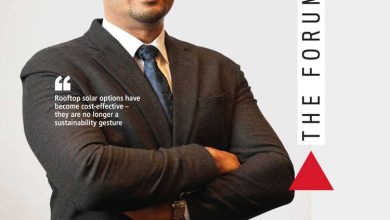
Padmal Silva urges digital transformation amid shifting apparel demands

Q: How would you assess the outlook for Sri Lanka’s apparel industry amid evolving global demand and increasing competition from other source destinations?
A: The industry remains globally respected and relevant but structurally pressured. It will likely continue operating in the US$ 5-6 billion export range in the near term with growth driven not by volume but innovation, value addition and sustainability leadership.
Companies that succeed will transition from manufacturing vendors to strategic supply chain partners for global brands. Sri Lanka faces strong competition from Bangladesh, Vietnam, Cambodia and increasingly India as alternative source destinations.
Industry analysts point out that the country also lags behind regional competitors in labour productivity and innovation intensity.
Q: What key trends are currently shaping demand in international apparel markets?
A: Several trends are shaping demand in international apparel markets. Consumer price sensitivity remains strong, particularly in the US and European markets. Retailers therefore seek suppliers who can deliver competitive costing while maintaining quality and reliability.
There is also strong and sustained growth in athleisure and functional apparel, driven by consumer demand for comfort, versatility, and performance. This has increased the demand for activewear, technical fabrics and lifestyle sportswear.
Additionally, sustainability has become a core requirement rather than a differentiator with international brands demanding greater supply chain transparency, lower carbon footprints and the use of sustainable or recycled materials.
Another key trend is speed to market: with the rise of digital retail and rapidly changing consumer preferences, brands are increasingly partnering with manufacturers who can support shorter lead times, flexible order quantities and faster product development.
Q: To what extent has the rise of e-commerce transformed the traditional apparel export model?
A: The rise of e-commerce has reshaped the traditional apparel export model by making the supply chains faster, more data driven and more flexible.
Traditionally, sourcing relied on long seasonal cycles and large bulk orders with retailers forecasting demand six to 12 months in advance. E-commerce has disrupted that model.
Today, brands rely on real-time sales data to test products online and quickly scale successful styles. As a result, manufacturers now see smaller initial orders followed by faster replenishment cycles rather than a single large seasonal commitment.
Another important shift is the rise of direct to consumer digital brands, which require low minimum order quantities, rapid sampling and short lead times. At the same time, e-commerce has accelerated the need for speed to market, as trends can emerge and peak within weeks due to social media.
Q: How can apparel companies leverage digital platforms to strengthen their presence in international markets?
A: Digital platforms have become a core strategic tool for global expansion in apparel.
E-commerce and digital marketplaces enable companies to reach international consumers without heavy investments in physical retail. This enables brands to test new markets, scale quickly and build direct relationships with customers through direct-to-consumer (D2C) models.
Digital platforms also generate real-time insights into consumer preferences, measuring trends and purchasing behaviour across regions, helping companies refine product design, improve forecasting and respond faster to market trends.
Digital marketing and brand storytelling, through social media, influencers and targeted campaigns, help build brand visibility even in markets without a physical presence. Meanwhile, supply chain tools such as 3D design, virtual sampling and digital showrooms enable faster collaboration with buyers, and improve speed to market.
Q: So how important are innovation, design capability and branding in moving up the apparel value chain?
A: They are fundamental for apparel companies. For many years, the industry – particularly manufacturing hubs – was driven by cost competitiveness and production scale. Today, margins in basic manufacturing are shrinking, making higher value added capabilities essential.
Innovation plays a key role in this shift, whether through sustainable materials, advanced fabric technologies, digital product development or smarter manufacturing processes that deliver differentiated solutions.
Design capability is equally important. When manufacturers contribute to product development through insights into trends, technical design and product engineering, they evolve from vendors into strategic partners for global brands.
Branding sits at the top of the value chain. Companies that build strong brands or unique product identities can connect directly with consumers, command better pricing and capture greater long-term value.
Q: Looking ahead, what strategies will be most critical for companies seeking sustainable growth in international markets?
A: Sustainable growth will depend on several critical strategies.
First is supply chain agility: with shorter fashion cycles and unpredictable demand, companies must build flexible and responsive supply chains that can react quickly to change.
Second is sustainability and compliance: global brands and consumers increasingly prioritise responsible manufacturing, traceability and environmental impact, giving companies that invest in sustainable materials, renewable energy and ethical practices a clear competitive edge.
And third is digital transformation: today, technology shapes the value chain from digital product development and data driven forecasting, to stronger integration with e-commerce and faster product launches.
And finally, market diversification is equally important. Companies should reduce their dependence on traditional markets while exploring emerging regions and strengthening existing relationships.