BLUE BIOTECHNOLOGY
DEEP-SEA FRONTIER AWAITS
Akila Wijerathna explains why our marine biodiversity is underutilised
Blue biotechnology is the application of biological sciences to marine and aquatic organisms; it represents one of the most promising frontiers in sustainable development.
As the world increasingly turns to oceans for solutions to pressing challenges in medicine, food security and environmental conservation, Sri Lanka is uniquely positioned to become a major player in this emerging field.
With 1,340 kilometres of coastline, extensive marine biodiversity and a rich tradition of maritime engagement, the island nation possesses remarkable and largely untapped potential for blue biotechnology innovation.
The ocean covers more than 70 percent of Earth’s surface and contains an estimated 80-90 percent of all life on the planet – much of it still undiscovered. Marine organisms have evolved unique biochemical adaptations to survive in extreme conditions that range from crushing deep-sea pressure to toxic hydrothermal vents by producing compounds with extraordinary properties.
These molecules are revolutionising drug development with several already approved for treating cancer, chronic pain and viral infections. Sri Lanka’s sea – warmed as it is by tropical currents and enriched through seasonal monsoons – harbours diverse marine ecosystems including coral reefs, mangroves, seagrass beds and deep-sea environments that remain scientifically under-explored.
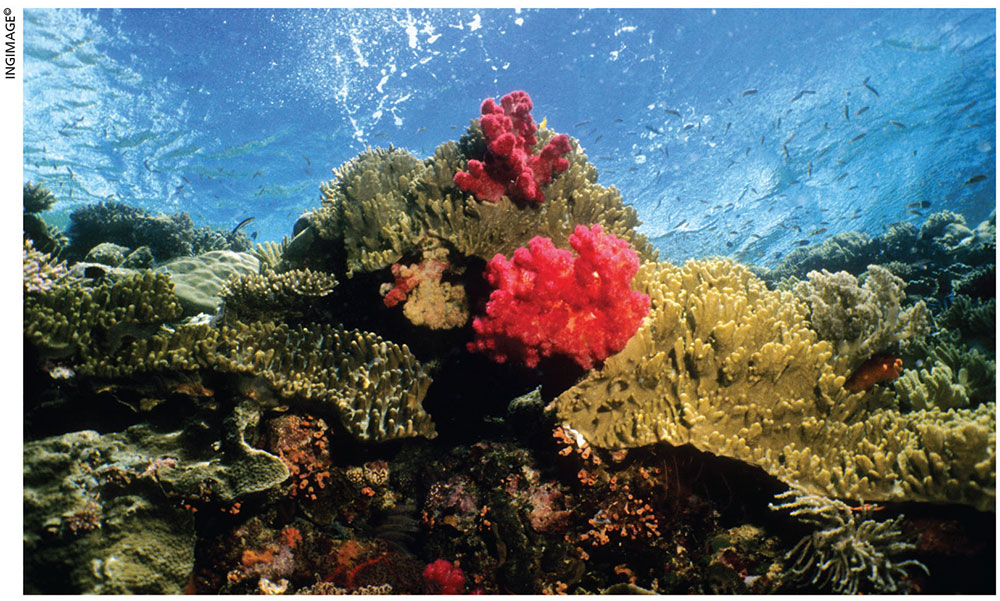
Its marine biodiversity provides a compelling foundation for pharmaceutical research. The island’s coral reefs, though threatened, still support numerous invertebrate species including sponges, tunicates and soft corals known to produce bioactive compounds. Marine sponges alone have yielded more anticancer compounds than any other aquatic organism group.
Marine microorganisms in our waters could harbour novel antibiotics at a time when antimicrobial resistance poses a global health crisis. Research institutions such as the National Aquatic Resources Research and Development Agency (NARA) and university marine biology departments should spearhead bio prospecting initiatives that balance commercial potential with conservation imperatives.
The island has traditionally relied on wild caught fisheries but overfishing and climate change threaten the sustainability of this model.
Modern aquaculture biotechnology offers selective breeding programmes that improve growth rates and disease resistance in commercially valuable species, the development of sustainable feed alternatives using marine micro algae and probiotic treatments that reduce antibiotic dependence in fish farming.
Sri Lanka’s extensive brackish water lagoons and coastal areas provide ideal settings for culturing high value species – such as shrimp, crab and indigenous fish varieties. Biotechnological innovations in breeding and health management could substantially increase productivity while minimising environmental impacts.
Marine micro algae cultivation presents particularly exciting opportunities for the country. These microscopic organisms grow rapidly, require no arable land and produce valuable products, including omega-3 fatty acids, natural pigments, biofuels and proteins.
Sri Lanka can develop micro algae production facilities that generate nutritional supplements, aquaculture feed and even carbon neutral bioenergy. Businesses across the world are already scaling micro algae cultivation and local entrepreneurs could capture growing markets for sustainable marine derived products.
Bioremediation using marine bacteria and fungi can help clean oil spills and reduce heavy metal contamination in coastal areas affected by industrial activity. Bio monitoring using marine organisms as environmental sensors can provide early warnings of pollution or ecosystem degradation.
Additionally, coral restoration efforts can be streamlined through biotechnology using techniques such as micro fragmentation and selective breeding, to develop heat resistant coral varieties that can withstand rising ocean temperatures.
Given Sri Lanka’s vulnerability to climate change, and the economic importance of healthy marine ecosystems for tourism and fisheries, these applications are the need of the hour.
The development of marine derived biomaterials represents another frontier with commercial potential. Chitosan from crustacean shells, alginate from seaweed and collagen from fish waste have applications in wound dressings, drug delivery systems and biodegradable packaging.
Sri Lanka’s fisheries sector generates extensive organic waste that can be transformed into valuable biomaterials to create circular economy opportunities that reduce environmental impacts while generating additional income streams.
However, this calls for improved research infrastructure including advanced marine laboratories and genomic sequencing facilities. Stronger collaboration between universities, research institutes and industry can accelerate technology transfers and commercialisation.