LMD APRIL 2026 COVER STORY

THE GROWTH BLUEPRINT
Growth must be balanced, disciplined and sustainable – rather than pursued in isolation
Dinusha Bhaskaran


As businesses evolve to remain competitive, leadership that combines strategic foresight with operational discipline has become indispensable. At the forefront of this transformation is Dinusha Bhaskaran – Group Managing Director of Vallibel One – whose career spanning nearly three decades reflects a blend of financial expertise, strategic leadership and global perspective.
With over 27 years of experience across finance, operations and corporate governance, Bhaskaran has built a reputation as a leader capable of navigating complex industries while driving sustainable growth.
Her professional journey, shaped by experience in both Sri Lanka and Australia, has equipped Bhaskaran with an international outlook that guides her approach to leadership. Today, she steers Vallibel One – one of Sri Lanka’s most diversified conglomerates – with a clear focus on transformation, long-term value creation and strategic expansion.
Bhaskaran’s leadership style is grounded in a deep understanding of financial strategy and governance. She has consistently demonstrated the ability to translate financial insight into organisational growth.
Her early career experiences laid the foundation for this approach – and this has enabled her to build expertise in financial management while gaining exposure to multinational business environments.
Prior to assuming her current role, Bhaskaran served as Chief Executive Officer of Vallibel One from November 2016 to June 2022. She has also served as Chief Financial Officer of Clenergy in Australia.
Beyond her executive leadership, Bhaskaran contributes to the broader corporate ecosystem through several board roles: she serves as an Executive Director of Delmege and holds board positions across a number of key organisations including LB Finance, Vallibel Power Erathna, Lanka Walltiles and Country Energy.
In addition, she chairs Greener Water, reflecting her commitment to advancing sustainable business initiatives.
Her influence extends beyond corporate leadership into shaping conversations around responsible business and long-term value creation. Bhaskaran advocates for forward-looking strategies that strengthen organisational resilience while aligning with evolving global expectations.
– Compiled by Tamara Rebeira
When confidence begins to return, it is reflected not only in increased discretionary spending but also in a renewed sense of trust

Q: You sit at the intersection of retail and finance. How has that dual exposure shaped your understanding of consumer sentiment beyond data alone?
A: The Vallibel One Group manages a diverse portfolio of retail commodities and services spanning fast-moving consumer goods (FMCG), lifestyle, energy, healthcare, agriculture, insurance brokering, leisure, hospitality, aviation and more.
This breadth of engagement places us in direct touch with a wide spectrum of consumers, giving us a unique vantage point to observe shifts in sentiment across income levels, lifestyles and life stages.
As a result, we often sense changes in consumer confidence well before they surface in formal data or market indicators. At the intersection of retail and finance, that perspective becomes even more powerful.
Retail provides real-time visibility into how consumers behave, what they prioritise, what they postpone and how their baskets evolve, while the finance lens helps interpret the structural drivers behind those choices – including purchasing power, access to credit and the shift between discretionary and essential spending. When viewed together, it sharpens our ability to understand the human context behind the numbers.
These insights add depth and meaning to data, enabling more grounded and responsive leadership – whether that means refining the product mix and value propositions, strengthening affordability levers or aligning financial solutions with changing customer realities.
This dual exposure has reinforced the importance of balancing analytical and strategic discipline, with empathy, intuition and a genuine understanding of people; it has shaped a leadership approach that recognises that sustainable growth is driven not solely by performance indicators but also by resilience, trust and value perception.
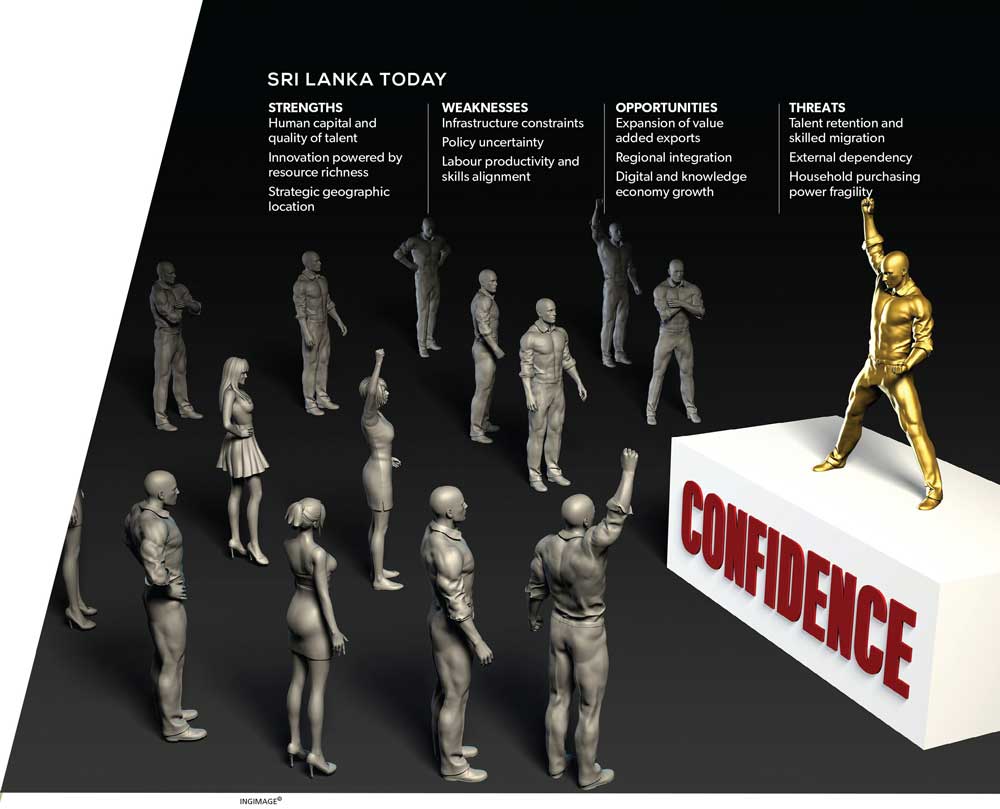
Q: Consumer confidence has been volatile in recent years. What signals do you instinctively pay attention to when assessing shifts in consumer confidence?
A: Consumer confidence is rarely shaped by a single factor; it is a composite of emotion, experience and expectation.
Beyond headline indicators such as inflation or interest rates, we pay close attention to behavioural shifts – how consumers prioritise spending, the timing of their decisions and their willingness to commit rather than defer.
Changes in basket composition and size, trading down behaviour, brand switching and sensitivity to perceived value often speak louder than traditional metrics. This is because they reveal what affordability and confidence look like in practice.
We study the feedback from front line teams, distributors and partners who engage with consumers every day.
These qualitative signals often surface underlying anxieties or optimism well before they translate into numbers. From a finance lens, we also monitor credit behaviour, repayment patterns and liquidity trends, which provide an additional reading on financial resilience and forward outlook.
Instinctively, I look for consistency between what consumers say and how they act.
When confidence begins to return, it is reflected not only in increased discretionary spending but also in a renewed sense of trust, less hesitation and a willingness to plan ahead.
Combined with data, these human cues provide the clearest insight into where sentiment is moving – and they help ensure our decisions remain grounded, responsive and aligned with evolving consumer realities.
Responses to posts, comments and consumer conversations online provide a real-time view of sentiment, perceptions of value and shifting preferences

Q: Household priorities have evolved with a greater focus on value and cautious spending. How are these behavioural shifts influencing pricing strategies?
A: The shift in household priorities towards value and more cautious spending has reinforced the need for pricing strategies that are both transparent and responsive.
Today, consumers are more deliberate in evaluating cost versus benefit, seeking products and services that deliver tangible value rather than simply convenience or brand appeal. This means our pricing approach must protect affordability while also preserving trust in quality and reliability.
To address this, we apply a dynamic pricing policy that is continuously calibrated to market conditions, consumer behaviour and competitive activity. The objective is not simply to adjust price points but ensure that the value proposition at each tier is clear and compelling.
In parallel, we strengthen value led marketing initiatives that make affordability visible and meaningful – through targeted promotions, bundled offerings, and loyalty programmes that reward trust and repeat engagement.
These measures are designed not only to drive transactions but also to demonstrate that we understand and respect evolving consumer priorities.
Equally important are the insights we gain from social media interactions.
Responses to posts, comments and consumer conversations online provide a real-time view of sentiment, perceptions of value and shifting preferences. This complements traditional market intelligence and provides a deeper understanding of how consumers think, feel and make decisions.
By combining dynamic pricing, disciplined cost optimisation and value driven engagement, we ensure that our strategies remain relevant and competitive, while sustaining long-term resilience and consumer confidence.
Digital commerce and fintech inclusion should be treated as national accelerators
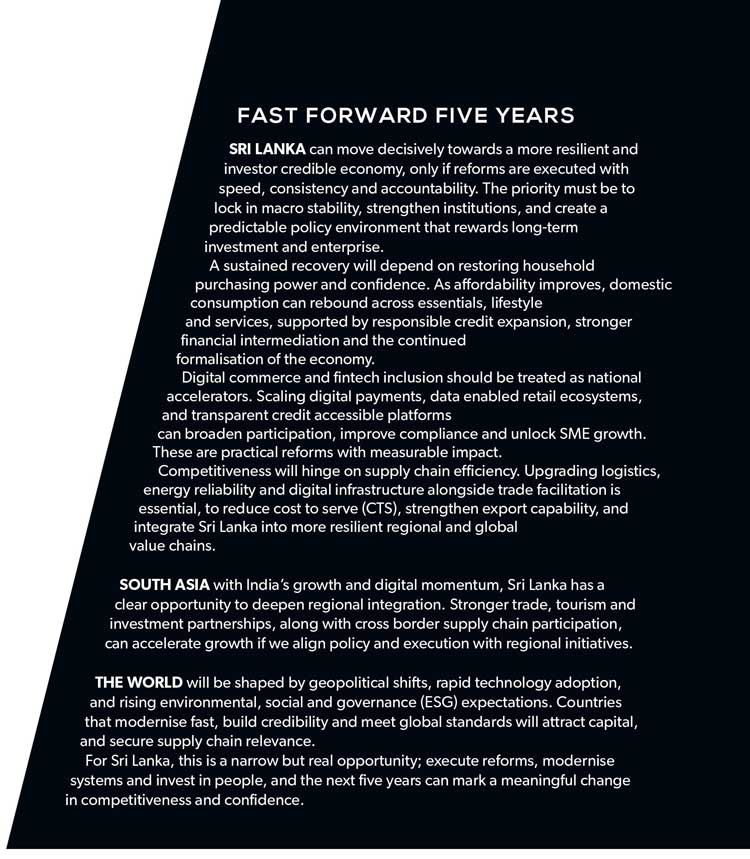
Q: How closely should organisations track consumer behaviour data today – and how does that intelligence translate into decisions regarding pricing, promotions and financing solutions?
A: In today’s environment, tracking consumer behaviour is no longer optional – it is central to making timely and informed decisions.
Consumer sentiment can shift quickly and organisations must move beyond static historical analysis to real-time, forward-looking intelligence. Behavioural data provides early signals on affordability pressures, value perceptions and emerging preferences, enabling businesses to anticipate change rather than react to it.
Across Vallibel One subsidiaries, we use CRM and business intelligence platforms to closely monitor indicators such as basket composition, purchase frequency, brand substitution and responsiveness to promotions.
These insights help us refine pricing strategies with greater precision, ensuring that price positioning reflects both market realities and consumer expectations. They also enable us to design targeted promotions and bundled offerings that are relevant, purposeful and aligned with actual customer needs, rather than relying on broad, undifferentiated discounting.
In addition, we work closely with research consultants to deepen our understanding of evolving consumer behaviour and test the practicality of our assumptions and strategies. Their independent market studies and behavioural analyses provide an external perspective that complements our internal data, ensuring that decisions are grounded not only in numbers but also validated market realities.
Equally important is the role this intelligence plays in shaping financing and accessibility solutions.
By understanding how consumers manage cash flow, repayment patterns and spending cycles, we’re able to structure financing options that enhance affordability while maintaining responsible credit discipline. This ensures that financial solutions support consumers in a sustainable way, strengthening confidence rather than creating additional financial strain.
The real value of consumer behaviour data lies in its ability to translate insight into action. When interpreted correctly – and supported by structured research and disciplined execution – it enables organisations to remain agile, protect pricing integrity, deliver meaningful value and build stronger trust based relationships with consumers that are essential for sustainable growth in a dynamic market.
Q: In periods of economic uncertainty, trust becomes critical. How should brands work to maintain consumer confidence and loyalty when spending power comes under pressure?
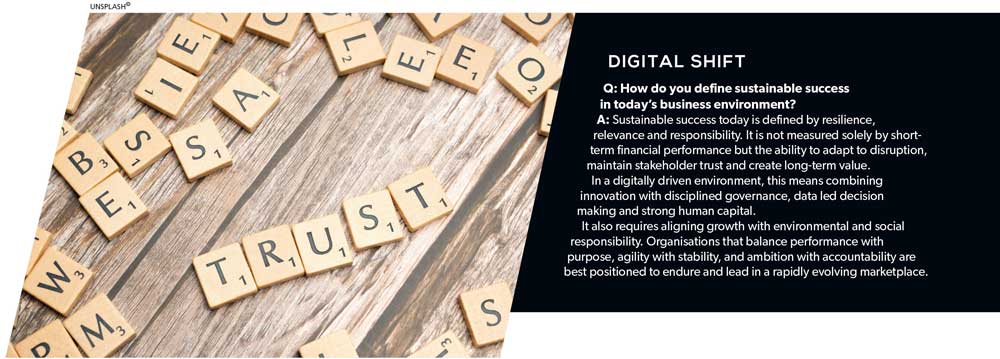
A: During periods of economic uncertainty, trust is the single most important currency a brand can hold. When spending power is under pressure, consumers naturally become more selective, cautious and price conscious.
Brands must respond not only with competitive pricing but also by demonstrating consistency, reliability and transparency in every interaction – because in volatile markets, predictability and integrity matter as much as affordability.
Equally important is the role of teams on the ground. Through attentive listening, empathetic engagement and the personal relationships they build, teams create lasting bonds that strengthen loyalty and consumer confidence. By genuinely understanding consumer needs and concerns, staff is able to respond meaningfully, often reassuring consumers more effectively than any marketing message could.
Maintaining confidence also requires delivering tangible value at every touch point. This includes disciplined pricing and product architecture that protects accessibility, value driven promotions and bundled solutions that meet real needs, and financing options that ease access without compromising responsibility.
Clear, consistent communication and responsive service reinforce the sense that a brand is fair, dependable and aligned with the customer’s reality.
Brands that combine responsiveness, integrity, empathy and strong human connections are best positioned to retain loyalty during challenging times. Trust is earned through consistent action, careful listening and genuine understanding, creating a lasting competitive advantage even in the most volatile environments.
Digital technology has transformed how we interpret market signals and engage with consumers

Q: You lead across several diverse and different organisations. How do you switch between those roles without losing sight of strategic clarity?
A: Leading across several diverse organisations requires a disciplined strategic framework that provides consistency in direction while allowing each business the flexibility to execute in a way that fits its market realities.
I rely on a strong leadership team in each company, empowered to make day-to-day decisions. This enables me to focus on setting strategic priorities, identifying growth opportunities and ensuring alignment with the group’s long-term objectives.
Regular communication, structured reviews and performance discussions help me stay connected to the nuances of each business without becoming involved in operational detail. Equally important is mental compartmentalisation and adaptability – the ability to switch contexts quickly while keeping the bigger picture in view.
I maintain strategic clarity through a consistent performance rhythm, supported by data driven key performance indicator (KPI) dashboards and clear governance standards, so that decision making remains objective, timely and anchored in measurable outcomes.
In addition, I draw value from cross sector learning: the diversity of the group creates an opportunity to transfer best practices and lessons from one business to another – whether in operational efficiency, customer experience, digital tools or governance – strengthening effectiveness across the portfolio.
Maintaining strategic clarity comes from combining trust in people, disciplined oversight and a constant focus on the group’s vision, ensuring that each organisation thrives individually while contributing to the collective growth and resilience of the group.
Q: And how do you strike a balance between high growth segments and businesses that provide steady long-term stability?
A: Striking the right balance between high growth segments and businesses that provide steady, long-term stability is fundamentally about portfolio strategy and risk management.
High growth businesses create momentum; they offer opportunities to innovate, capture market share and stay ahead of trends, while stable segments provide the reliable foundation that ensures resilience, cash flow and continuity across economic cycles.
It’s important to manage this balance by aligning investment, resources and focus with the specific dynamics of each business. High growth areas require agility, rapid decision making and continuous market scanning to build competitive advantage.
Stable segments on the other hand, benefit from disciplined operations, efficiency improvements and long-term planning to protect margins, strengthen governance and sustain consistent performance.
The key is to leverage insights across the portfolio.
Lessons from fast-moving high growth sectors can enhance processes, customer propositions and digital capabilities in steadier businesses, while stable segments provide a buffer that allows us to take calculated risks and invest with confidence in emerging opportunities.
This dual approach ensures that we remain both innovative and resilient, driving sustainable growth while maintaining long-term stability and credibility.
In volatile markets, predictability and integrity matter as much as affordability
Q: Do you believe Sri Lankan consumers have fundamentally changed their behaviour or are we seeing a temporary shift driven by economic imperatives?
A: I believe it is a combination of both. Sri Lankan consumers have certainly adapted their behaviour in response to recent economic pressures by prioritising value, becoming more cautious with discretionary spending, and making deliberate choices about where and how they spend.
These are natural, pragmatic responses to an environment of uncertainty and some of these patterns will ease as macro conditions stabilise.
At the same time, there are deeper shifts that are likely to endure, particularly among younger consumers. Greater exposure to digital content through YouTube, TikTok, and other social media and influencer channels have created a more informed and aspirational customer – one who evaluates purchases not only on price but also trends, peer influence, convenience and perceived value.
As a result, brands are engaging with a generation that is highly aware, digitally connected and prompt to adopt new ideas and offerings. Importantly, while spending patterns may fluctuate in the short term, underlying expectations for quality, reliability and trust remain intact.
In fact, during uncertain periods, consumers often gravitate even more strongly towards brands they recognise and rely on – and they become more sensitive to transparency, fairness and consistency.
For businesses, the key is to distinguish between temporary adjustments and lasting behavioural shifts, and respond with strategies that meet immediate affordability needs while reinforcing long-term trust and value.
Greater exposure to digital content through YouTube, TikTok, and other social media and influencer channels have created a more informed and aspirational customer
Q: Which sectors within your portfolio do you believe are currently showing the strongest recovery or momentum – and what’s driving that performance?
A: Overall, we are seeing broad based improvement across the portfolio with all sectors performing well and contributing to the group’s resilience.
Within this positive trend, the strongest recovery and momentum is coming from the aluminium and consumer sectors. The aluminium sector has performed exceptionally well, driven by demand linked to urban development and the expanding solar energy market, alongside a continued focus on operational efficiency, waste reduction and system led product innovation that strengthens our premium positioning.
The consumer sector has also shown robust momentum, supported by continuous product innovation, an expanded distribution network and sharper route-to-market (RTM) execution. By prioritising high rotation SKUs, improving sales productivity and managing promotional spend more effectively, we have been able to drive volume growth while protecting margins.
Performance across the portfolio is driven by strong underlying fundamentals, disciplined operational and cost management, and focussed investments in sectors aligned with long-term structural demand, enabling us to sustain both resilience and consistent growth momentum.
The strongest recovery and momentum is coming from the aluminium and consumer sectors

Q: How do you view the prevailing macroeconomic environment – including the interest rate and tax regimes, the value of the Sri Lankan Rupee and import-export mix?
A: The prevailing macroeconomic environment remains complex but is progressively stabilising.
Easing of interest rates has provided much needed relief to both businesses and consumers, encouraging investment, improving cash flows and supporting a gradual recovery in demand.
At the same time, the current tax regime requires careful navigation as it continues to influence pricing structures, consumer affordability and overall cost management. The key in our view is consistency and transparency in policy implementation so that businesses can plan with confidence and invest for the long term.
The relative stabilisation of the Sri Lankan Rupee has helped restore a degree of predictability to business planning, particularly for sectors with significant import exposure. While volatility cannot be entirely ruled out, improved currency stability has enabled better inventory management, disciplined pricing, and greater confidence among investors and consumers alike.
From a trade perspective, the evolving import-export mix presents both challenges and opportunities.
Import dependent sectors must continue to adapt through localisation, efficiency gains, and prudent sourcing strategies to manage cost pressures and reduce vulnerability. In parallel, export oriented businesses can benefit from improved competitiveness but sustaining this will require productivity improvements, value added offerings and continued trade facilitation to expand market access.
Overall, the macroeconomic landscape calls for measured optimism – balancing caution with agility. Organisations that remain financially disciplined, responsive to policy shifts, and closely aligned with consumer realities will be best positioned to navigate this phase and build sustainable growth over the long term.
Q: Looking back, how has holding multiple leadership roles changed how you view growth, success and responsibility?
A: Holding multiple leadership roles has notably reshaped my understanding of growth, success and responsibility, particularly in the context of managing a diversified portfolio across industries and markets.
It reinforces that growth must be balanced, disciplined and sustainable – rather than pursued in isolation.
Across the Vallibel One Group, we have seen how diversification, operational efficiency, and strategic investment have strengthened resilience and enabled long-term value creation, demonstrating that true growth is measured not only by expansion but also the ability to perform consistently across varying economic conditions.
It has also changed how I define ‘success.’
Success today is not limited to financial outcomes but extends to building strong governance frameworks, empowering leadership teams and fostering a performance driven culture supported by data, accountability and continuous improvement.
Establishing clear performance rhythms, investing in innovation and strengthening operational capabilities across sectors ensures that each business remains competitive while contributing to the broader strategic vision of the group.
Perhaps most importantly, it deepens the sense of responsibility that comes with leadership.
Managing multiple organisations requires a stewardship mindset – i.e. ensuring disciplined capital allocation, strong governance, and sustainable decision making that protects the interests of stakeholders, employees and customers.
It also reinforces the importance of building future ready organisations through talent development, innovation and strategic foresight.
These experiences have reinforced that leadership is ultimately about building enduring institutions. Growth must be responsible, success must be sustainable, and leadership should be grounded in trust, discipline and a long-term commitment to creating resilient organisations that continue to generate value over time.