TRUSTED LEADERSHIP
Amal Cabraal
VALUE PROPOSITION
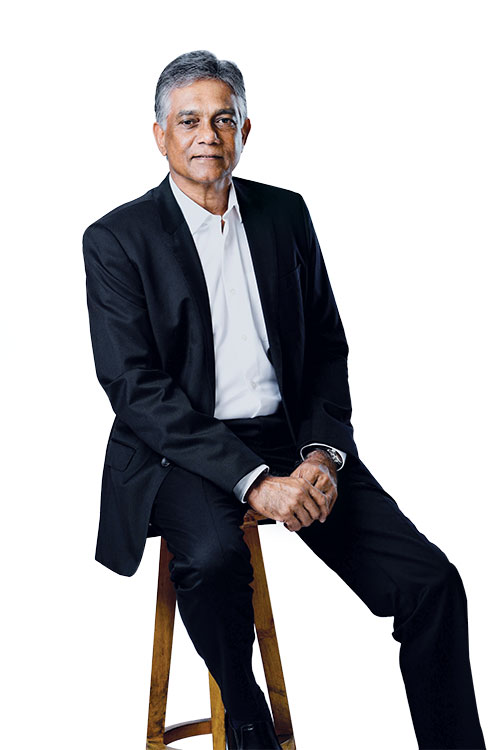
Q: How important is integrity in building an organisation that’s consistently recognised through awards?
A: Integrity plays a much bigger role than most individuals realise. Awards don’t merely consider results any longer; they look at the story behind the results.
When an organisation consistently acts in line with its values, it is noticed. Employees trust leadership, customers feel confident about the brand and evaluators can rely on the information presented to them. That kind of consistency builds a reputation that lasts.
Integrity also creates stability internally. Individuals know what the organisation stands for and that clarity is reflected in the quality of work. Over time, this becomes a genuine competitive advantage – it is the quiet force behind achievements that stand up to scrutiny year after year.
Q: Do you believe integrity has become a defining factor in evaluating awards today?
A: Yes – more than ever. Integrity used to be something people assumed organisations had. Today, it is something that is actively verified.
Award programmes now closely look at governance, ethics, compliance and how organisations treat their stakeholders. With information so easily accessible, evaluators are quick to spot inconsistencies or exagge-rated claims.
Even in awards that focus on innovation or performance, integrity acts as a filter. If an organisation has ethical issues, it is often taken out of the running even before the conversation begins. Integrity is no longer a nice to have; it has become a baseline expectation.
Q: How can organisations ensure that integrity is embedded across all levels of the business rather than remaining a stated value?
A: The key is to make integrity part of everyday beha-viour – something people experience, not just something they hear about. It begins with leaders demonstrating what ethical behaviour looks like in real situations, especially when the stakes are high.
Subsequently, it needs to be built into the systems that guide daily work: how decisions are made, how people are rewarded, how concerns are raised and how mistakes are handled.
When individuals see that integrity is recognised, protected and expected, it becomes part of the culture. Training helps but the real shift happens when emplo-yees see integrity being lived out consistently, not selectively.
Q: So how does leadership influence the integrity standards that are ultimately reflected in awards and recognition?
A: Leadership sets the tone, whether intentionally or not. People observe how leaders respond under pressure, how they treat others and how they handle setbacks.
If leaders are honest, fair and accountable, those behaviours ripple through the organisation. However, if leaders cut corners or overlook questionable behaviour because it delivers results, that message spreads even faster.
Award evaluators understand this dynamic, which is why they often examine leadership practices closely. They want to know whether the organisation’s achievements are built on solid ground. When leaders embody integrity, it shows – in the culture, in the results and ultimately, in the recognition the organisation receives.
Q: Can a strong ethical culture provide organisations with a competitive edge when being evaluated for awards?
A: Definitely – a strong ethical culture builds credibility and credibility is extremely valuable in award evaluations. When an organisation is known for doing the right thing, its submissions carry more weight.
Ethical cultures also tend to produce better long-term outcomes – i.e. higher engagement, stronger customer loyalty and fewer reputational risks. These strengths translate into authentic stories of impact and innovation that resonate with judges.
In categories where many organisations perform well, ethics often becomes the deciding factor. It signals that the organisation isn’t only achieving success; that it’s doing so in a way that’s responsible, sustainable and worthy of recognition.