National Perspective
Connecting with people
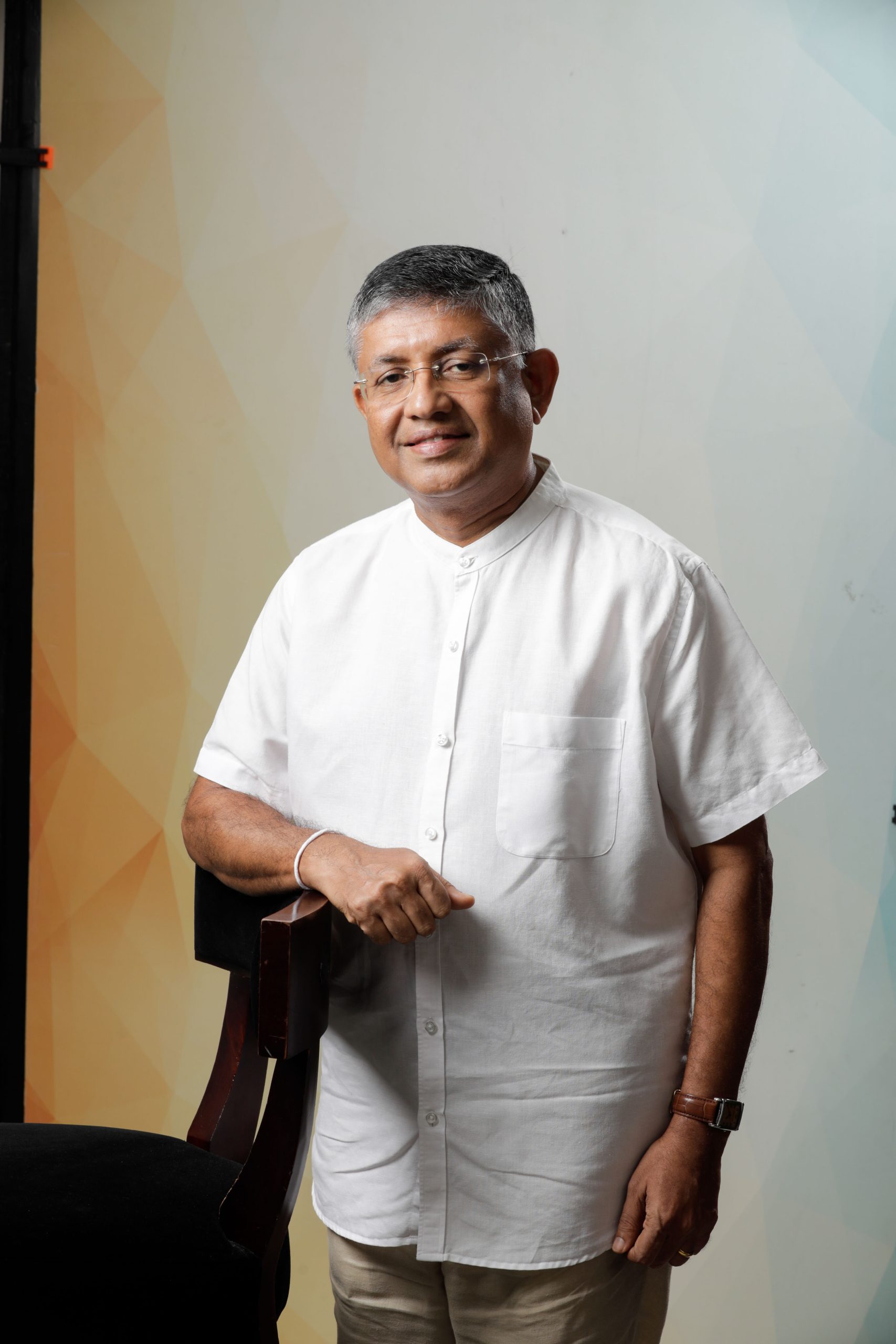
A commitment to national development provides corporate respect with a deeper meaning. And Asoka Hettigoda says that respect is not something that can be measured easily, nor can it be earned through financial performance alone.
It’s built through contribution, sincerity and the extent to which a company’s success benefits the country it operates in, he explains.
Hettigoda elaborates: “Respect cannot be quantified. In business, we often measure value in numbers but the most meaningful forms of value are the hardest to measure. Profit can be earned in many ways but respect is far more difficult to achieve.”
In his view, contributing to national development takes respect to another level. A company that plays a role beyond its own commercial interests is seen not only as successful but meaningful to the country’s progress too.
“When a company contributes to national development, it elevates respect to another level. People begin to see that you’re not merely pursuing profits or fulfilling a business need but contributing to the nation’s progress,” Hettigoda explains.
He feels that businesses must think beyond themselves and where possible, build opportunities for entire industries. Companies that earn credibility within their communities and industries are often invited to contribute to broader conversations, not only about their businesses but the sectors they represent as well.
National development requires companies to act inclusively and create value across communities, Hettigoda states: “As a company, your activities should benefit the country as a whole. In our industry, we are fortunate to source raw materials from across Sri Lanka, supporting communities in different parts of the country.”
‘Commercial success,’ he argues, has also been redefined.
A strong balance sheet alone is no longer sufficient if a company damages the environment, undermines the social fabric or disregards culture and values. Playing a broader national role can strengthen long-term performance because people respond to sincerity and purpose.
“If companies play a genuine, transparent and honest role in national development, they will build a deeper connection with people. That brings benefits far beyond what may be immediately visible,” Hetti
goda adds.
He recalls his father’s belief in building emotional connections, describing what one of his mentors called ‘heart share.’ This, he says, is deeper than market share as it reflects public affection, trust and memory.
To contribute meaningfully to national progress, Hettigoda says companies must produce quality products and services, protect the environment, invest in human capital, and uphold ethics and sustainability. Responsible action should not wait for regulations to be enforced.
“Laws are necessary where responsibility is lacking but businesses that truly want to be part of national progress should act voluntarily,” he reiterates.
In addition, he believes that companies should share their knowledge and experience. He also believes that competition would strengthen an industry and prepare local businesses to face foreign brands.
Today, stakeholder expectations are changing rapidly. Younger generations, consumers and employees want to know what a company truly contributes to society. Social media has also made it impossible to ignore concerns, complaints or wider societal pressures.
He asserts that “the younger generation is no longer willing to accept surface level claims. They want to know what your real contribution is. Are you genuinely giving back to society? And are you taking the lead on sustainability, governance and transparency?”
A strong national perspective can also strengthen corporate reputation by attracting talent, building goodwill and creating intangible benefits that may not be immediately visible. To Hettigoda’s mind, pride in Sri Lanka and confidence in its heritage are essential.
“Emotional attachment to one’s country is very important. Seeing ourselves as partners in national development and grounding our work in a national perspective gives us considerable strength,” he affirms.
And last but not least, Hettigoda believes that the greatest respect is earned when a company can speak not only for itself but its industry and country.