Strategic Vision
Envisioning with foresight
Respected organisations rarely warrant a place on the podium by simply responding to change. Instead, they earn confidence by defining a clear direction and consistently moving towards it.
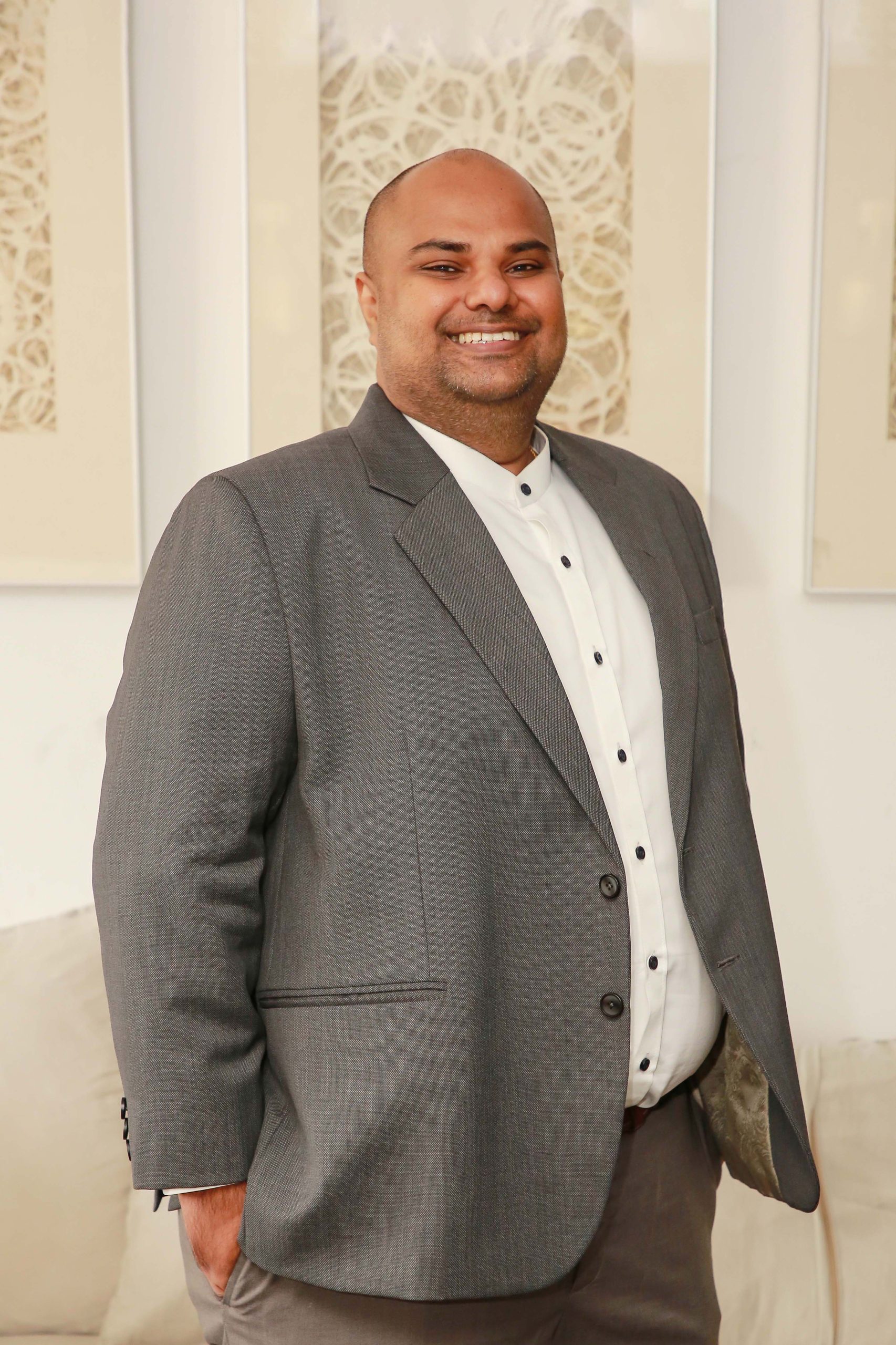
According to Ashan Kumar, “strategic vision is the quality that transforms an organisation from a participant in the market into a leader that shapes its future.”
“It is the North Star of any respected organisation. It is what elevates a company from being a mere market participant to an industry leader. Without it, an organisation is simply reacting to market forces rather than shaping them,” he says.
Kumar explains: “A well-defined strategic vision provides a framework for every decision, investment and operational excellence. When a company possesses this clarity, it signals to the market that it’s driving towards a deliberate destination.”
“Respect is earned when an organisation demonstrates that it isn’t merely surviving the current economic cycle but actively building the future through impactful action.”
A clear long-term vision also inspires confidence among stakeholders. “Stakeholders – whether they are investors, clients or internal teams – crave predictability and purpose in an inherently volatile business environment. A clear, long-term vision acts as an anchor,” Kumar notes.
For investors, it demonstrates a commitment to sustainable value creation rather than short-term gains. Clients are more likely to see the organisation as a dependable long-term partner instead of a supplier offering temporary solutions. And internally, employees gain a stronger sense of purpose when they understand how their work contributes to the company’s broader ambitions.
“When people understand where the company is going and why their work matters, it fosters what I would term ‘a corporate lifestyle of deep alignment and loyalty,’ which inherently projects external strength and stability,” he says.
Maintaining that relevance however, requires more than vision alone, Kumar maintains: “For many businesses, relevance is a depreciating asset. What worked yesterday is table stakes today and obsolete tomorrow. Foresight is the proactive discipline of
anticipating market shifts, technological disruptions and evolving consumer behaviours before they manifest as crises.”
Organisations that prioritise foresight position themselves ahead of competitors, rather than reacting after change has occurred. According to Kumar, lasting respect belongs to businesses that continually prepare for tomorrow instead of remaining focussed on yesterday’s success.
“Sustained respect belongs to the pioneers who prepare for tomorrow’s challenges while their competitors are still solving yesterday’s problems. It shifts an organisation’s reputation from being historically successful to permanently vital,” he adds.
Balancing immediate priorities with long-term ambitions is equally important.
Kumar describes this as one of the defining challenges of modern leadership. “This is the ultimate test of modern leadership – managing the present while inventing the future. If you focus entirely on immediate priorities, you become obsolete; if you focus entirely on the future, you run out of capital today,” he explains.
What’s more, Kumar believes organisations must operate through what he describes as a ‘dual system’ – one engine dedicated to delivering current performance and revenue, and another focussed on innovation and future growth.
A strong sense of direction strengthens corporate reputation because it reflects conviction and consistency. Rather than chasing every passing trend, respected organisations understand their identity, value proposition and long-term trajectory.
“Organisations with a strong sense of direction project authenticity and intentionality, qualities that the market naturally rewards. They don’t chase every passing trend or dilute their brand to mimic competitors. They know their identity, their value proposition and their trajectory,” he notes.
And Kumar believes this clarity becomes increasingly valuable in what he describes as the ‘trust economy,’ where reputation is shaped less by marketing and more by consistent behaviour.
“In a world saturated with misinformation, hyper competition and cynical consumers, respect cannot be bought through aggressive marketing. It must be earned through radical transparency, ethical consistency and authenticated delivery,” he concludes.