Leadership Profile
Leading with authenticity
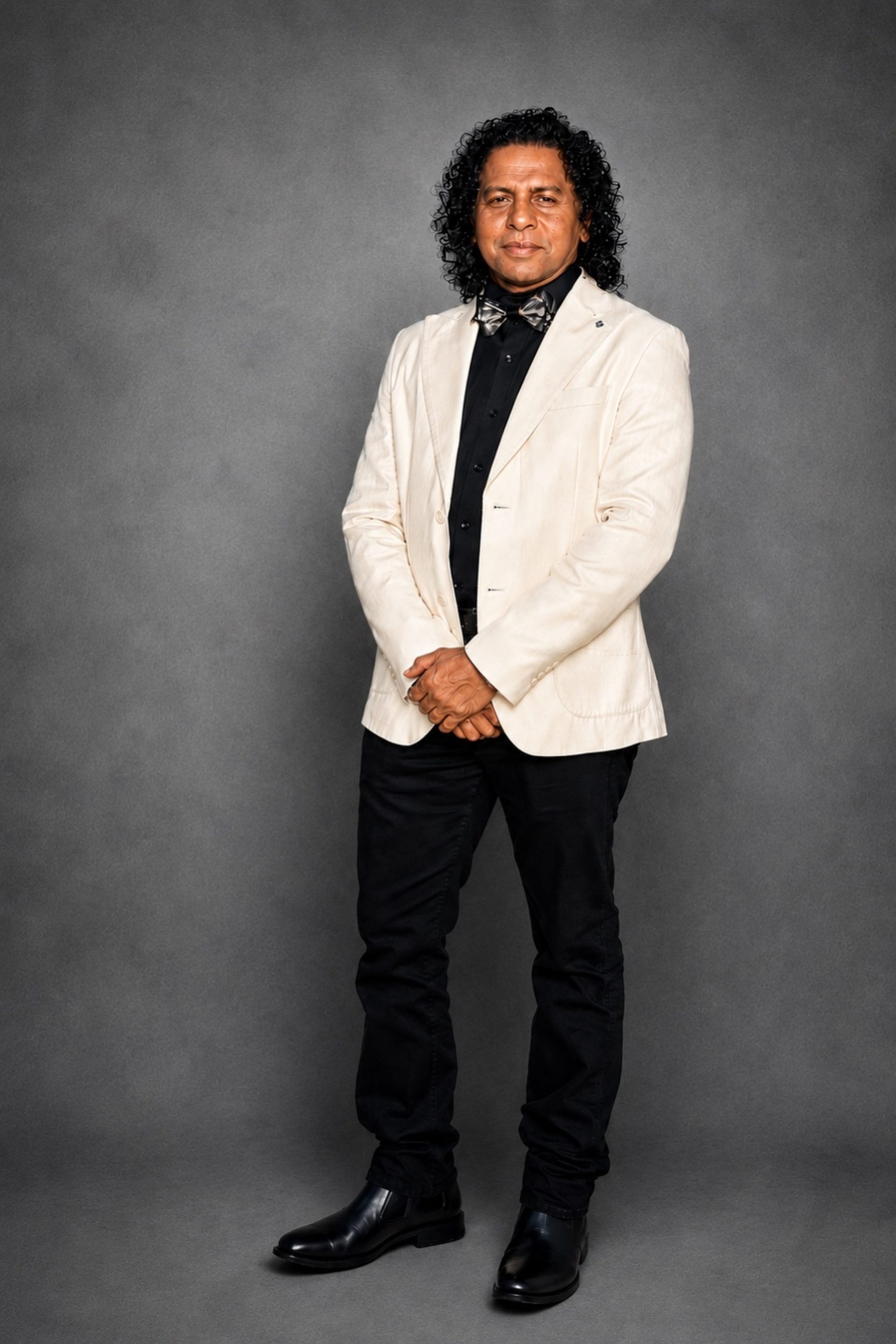
Leadership is one of the strongest tests of whether an organisation can earn and sustain respect. In Dr. Ramesh Shanmuganathan’s view, it
determines how values are translated into decisions, behaviour and culture.
“Everything begins and ends with leadership. Organisations don’t earn respect through products, services or balance sheets alone. They earn it through the behaviour of the people who lead them, the decisions made under pressure, the values held when no one is watching, the culture shaped not by design documents but daily examples,” says Shanmuganathan.
And he notes that stakeholders are often able to see beyond formal statements and corporate positioning: “They are perceptive. Over time, they don’t distinguish between the organisation and its leadership. They become the same in the minds of the people who work there, partner with it, invest in it and depend on it.”
Respect therefore, cannot be manufactured through communications alone, he adds: “Respect is not announced, it isn’t positioned – it is earned, quietly and consistently, over years of leadership that people can actually trust.”
The qualities that define leaders of respected organisations go beyond titles, tenures or track records.
“It’s integrity – the kind that holds when it is costly. It’s authenticity showing up the same in the boardroom as the corridor. It’s courage – the willingness to make difficult calls and own them fully. It’s empathy – not as a soft skill but a leadership discipline. And above all, it’s accountability – the refusal to let the gap between what you say and do become permanent,” he states.
Respected leaders, he adds, carry a clear sense of purpose. They create value beyond shareholders, balance long-term vision with short-term execution and lead with humility understanding that authority is given but trust is earned.
Shanmuganathan observes that “people don’t listen to what leaders say nearly as much as watch what they do. Every decision is a signal; every response to a crisis is a message. And how employees are treated; how customers are spoken to; and how commitments to society are honoured.”
These are not secondary leadership actions. Transparency builds confidence, consistency builds trust and fairness builds loyalty. But when leadership behaviour contradicts stated values, the damage can be long-lasting.
“When leadership behaviour contradicts stated values, even once in a significant moment, the gap is noticed, remembered and rarely forgotten. Strong performance doesn’t override weak character. Stakeholders hold both in view simultaneously,” he asserts.
Authenticity has become especially important in modern leadership as organisations operate in an era of greater visibility. Actions are scrutinised quickly, and the gap between what leaders claim and how they actually lead is increasingly difficult to hide.
“In this environment, leadership performance isn’t just ineffective; it is dangerous. People see through it. And once they do, credibility is almost impossible to rebuild,” he warns.
Authentic leaders build genuine connections with teams, partners and communities. They create cultures where people feel seen, valued and trusted enough to contribute fully. “Authenticity was once a differentiator. It is now a baseline expectation,” he notes.
In Shanmuganathan’s view, leadership also determines whether respect can be sustained over time. An organisation may earn respect through innovation, performance or a defining moment of excellence, but sustaining it across transitions, economic cycles and adversity requires leaders at every level to embody what the organisation stands for.
“Respect is fragile in ways most leaders underestimate. It takes years to accumulate. It can be lost in a single decision made under pressure when principles are traded for convenience,” he affirms.
Corporate respect is not a function of size, scale or success, Shanmuganathan concludes: “It is the cumulative result of leadership decisions made every day. Reputation is what people say about you. Respect is what they believe about you when no one is in the room.”