HEMAS HOSPITALS
Q: What are some key customer related trends you observe in the sector your company operates in?
A: There is a growing demand for better patient experience, convenience and service orientation within Sri Lanka’s healthcare system. With greater awareness and access to information, patients now expect shorter waiting times, smoother care journeys, better communication and digital interactions, and greater respect.
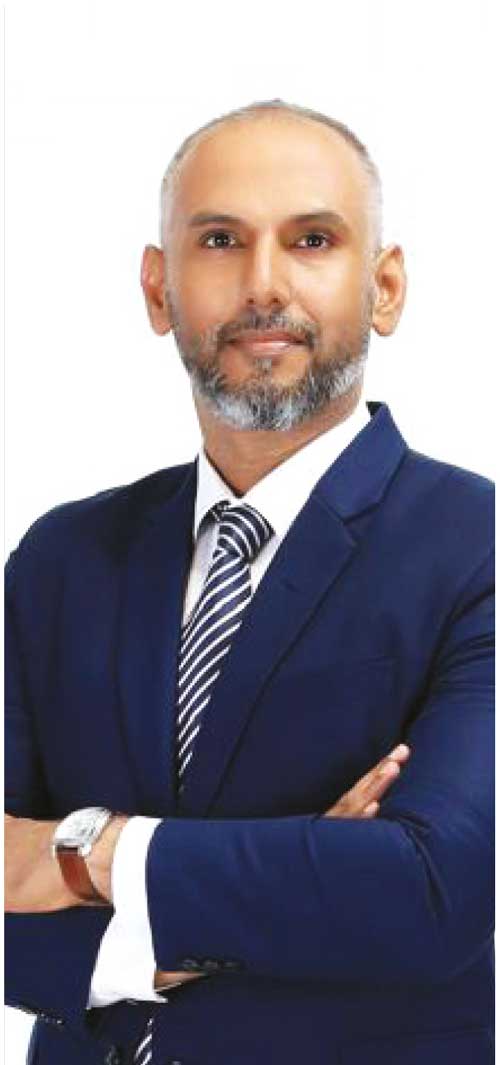
General Manager – Digital and Customer Experience
Healthcare is becoming increasingly competitive, particularly in the private sector, and so the quality of the patient experience has become a key differentiator – with younger generations expecting convenient and flexible digital first solutions.
The sector is also witnessing a shift towards preventive care, wellness and the management of noncommunicable diseases (NCDs). The growing prevalence of NCDs such as diabetes, cardiovascular disease and cancer is changing patient behaviour, and driving demand for screening and early interventions.
Younger patients and urban populations are seeking holistic health solutions that go beyond the treatment of acute illness to encompass wellness, lifestyle medicine and integrative health.
Additionally, there is a clear increase in the uptake of digital health solutions – such as tele-consultations, remote monitoring and mobile health apps – driven by consumer demand, provider and institutional initiatives, and social influencer activity. Patients are placing greater value on convenience and ‘anytime, anywhere’ access – especially for follow-ups or chronic care.
Another important trend is the growing emphasis on health data systems and interoperability, such as linking patient records from one hospital to another, alongside rising concerns about data security, fragmentation and public trust.
Q: Can you share a few recent milestones achieved by your organisation in the realm of customer excellence?
A: Our strong reputation for patient trust and service excellence is reflected in both our Google and sector rankings.
Hemas Hospitals continues to lead the private healthcare sector in Sri Lanka with the highest Google ratings among all private hospitals in the country – with our Wattala facility achieving an impressive 4.8 and Thalawathugoda following closely at 4.6.
These ratings underscore the consistently positive experiences shared by our patients and highlight our commitment to compassionate care, professionalism and modern facilities.
Further strengthening our market position, the latest rankings released by LMD have recognised Hemas Hospitals as the No. 1 hospital brand in Sri Lanka. Complementing this, we were also ranked 19th among LMD’s Most Loved Service Brands for 2025.
Together, these achievements reinforce Hemas Hospitals’ standing as a trusted, patient centric healthcare provider – one that combines clinical excellence with exceptional service quality and strong brand equity.
Q: Given the rapid advances in AI and other technologies, consumers are seeking transparency and data protection. How is this changing the modus operandi of customer service?
A: Patient consent is a fundamental pillar of ethical and patient centred healthcare. It ensures individuals have the right to make informed decisions about their treatment and promotes autonomy, trust and transparency.
By explaining risks, benefits and alternatives of a procedure, healthcare professionals empower patients to participate actively in their care. Proper consent also safeguards both patients and providers by ensuring legal compliance and preventing ethical conflicts.
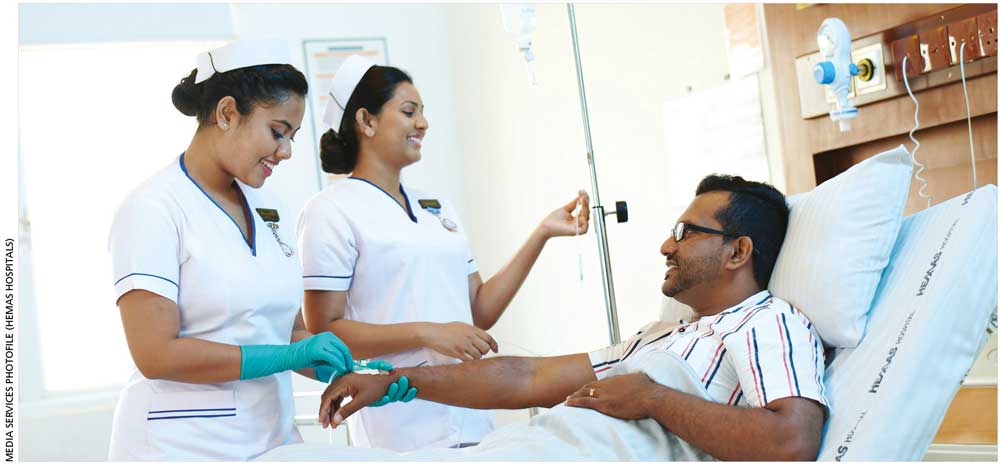
In today’s digital era where technology and data play key roles, obtaining informed consent is critical to maintain privacy, uphold dignity and strengthen public trust.
Trust and transparency are now core to customer relationships. Customers demand clear communication about how their personal data is collected, stored and used. As a result, transparency has become a key part of brand promise – as important as service quality itself.
There is a growing demand for better patient experience, convenience and service orientation within Sri Lanka’s healthcare system
The ethical and responsible use of AI is essential as chatbots and automated systems improve efficiency. However, customers expect transparency regarding artificial intelligence interactions and decision making. The new model blends AI efficiency with human empathy, ensuring sensitive issues are handled ethically and personally.
Data privacy and security are no longer IT issues – they are central to customer experience. Companies must show visible proof of protection through secure channels, consent options and clear privacy policies to reassure customers that their information is safe.
At Hemas, we take data protection very seriously, investing in systems and resources to ensure full compliance with Sri Lanka’s Personal Data Protection Act (PDPA).
Q: What are the challenges faced by your sector, particularly in the context of pursuing customer service and excellence?
A: A pressing issue is the migration of skilled healthcare professionals seeking better remuneration and working conditions abroad, leading to talent shortages and increased workloads for those who remain.
The economic crisis and currency depreciation have further strained operational budgets, affecting the affordability of medical supplies, technology upgrades and staff development. Additionally, rising costs of healthcare delivery – from imported medicines to energy and maintenance – have increased the financial burden on both providers and patients.
These factors make it challenging for hospitals to maintain consistent service quality, reduce waiting times and invest in patient experience improvements. To achieve true customer excellence, healthcare organisations must balance financial sustainability with staff wellbeing, operational efficiency and a continued focus on patient centred care.
- Telephone: 7888888
- Email: info@hemashospitals.com
- Website: www.hemashospitals.com