Corporate Culture
Shaping stakeholder perceptions

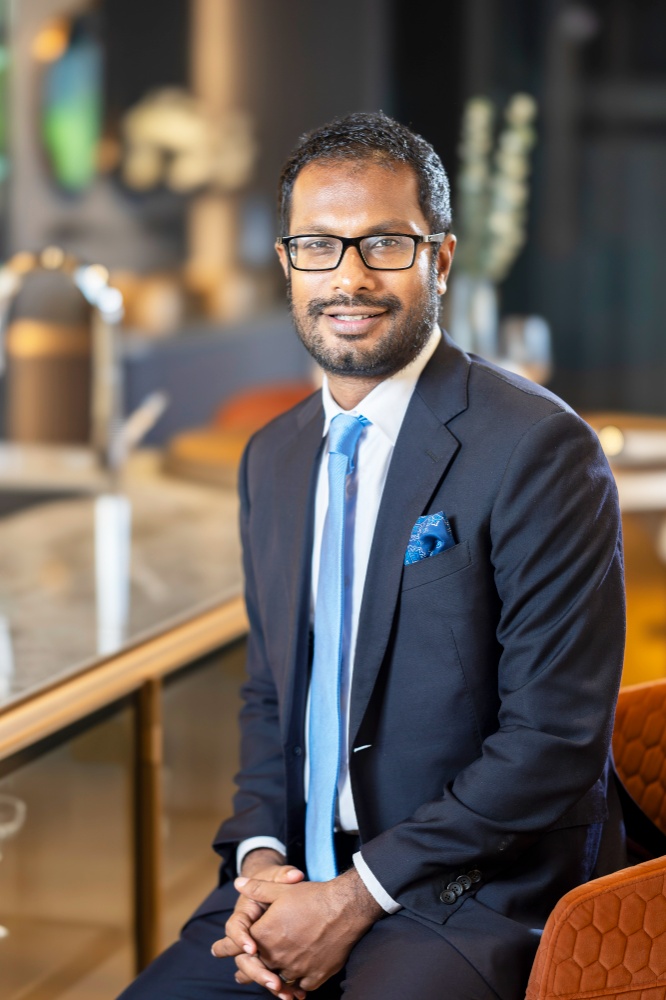
Corporate culture plays a decisive role in shaping how an organisation is seen, experienced and ultimately respected. According to Nishal Ferdinando, the reputation of an organisation is shaped by how people – including suppliers, customers, competitors, shareholders and the general public – experience it.
These stakeholders often interact with employees from different functions – viz. finance, marketing, sales, human resources and other departments. If each team reflects a different attitude or value system, stakeholders will form inconsistent impressions of the organisation.
“Corporate culture is extremely important because it gives stakeholders a consistent experience of the organisation. When you have multiple employees representing the organisation, culture unifies the whole, irrespective of people, departments, status or position,” Ferdinando explains.
Stakeholders increasingly assess companies through the lens of culture as it signals sustainability and resilience. He believes that “if the corporate culture is strong, stakeholders will know that despite people changing their roles or positions, or retiring, the organisation represents one vision, mission, goal and culture.”
This is why many longstanding global companies are respected not merely for their products or profitability but the culture that has endured over time. Profitability may depend on market conditions, people or products but culture provides the baseline for consistent results.
Ferdinando explains that respected organisations tend to share several cultural traits. One is a strong customer focus, where the customer is valued not only by front facing teams but across the organisation, he notes: “Quality consciousness is a cultural trait where everyone perceives quality as a must and will not cut corners.”
Organisations with resilient cultures don’t panic during shocks such as pandemics, economic crises or global disruptions. “If you have a resilient culture, even when tough situations arise, you look at the next four or five years and make your decisions. You don’t panic – you move forward,” Ferdinando explains.
He adds that organisations that protected employees, supported communities and honoured their commitments during difficult periods earned respect, because their responses reflected values and culture rather than short-term considerations.
Respect must also be part of culture – respect for stakeholders, people, the planet and the future. Gratitude is another trait Ferdinando believes is often overlooked. Respected organisations look beyond financial outcomes and recognise the community that buoys their success.
“Everyone speaks the same language and looks at the customer in a unified manner. That can become a huge competitive advantage over competitors who may not have established a strong culture,” he says.
Organisations with strong cultures are better able to respond to threats, seize opportunities and remain aligned around a shared mission. As Ferdinando says, “when employees feel for the organisation and drive it with pride, that culture is felt by customers, suppliers, distributors and other stakeholders.”
What’s more, he believes that culture is essential for global growth. Companies that expand successfully across countries often carry a strong core culture with them, adapting it to local contexts while maintaining the fundamentals.
“If the corporate culture is strong, you can adapt and tweak it according to a national culture. That is why some companies become multinationals. The core part of the culture remains the same,” he adds.
For Ferdinando, culture is an important factor in retaining respect over time as it survives changes in leadership, generations and markets. “Culture is one of the most important factors in sustaining respect,” he reiterates, adding that “the product can change but the same ethos of the organisation remains through culture.”
He adds that Sri Lankan companies could place more emphasis on building corporate culture instead of remaining too founder, family or top management centric. “If we focus on culture and give it the value it deserves, Sri Lankan companies could reach some of the heights that businesses around the world have reached globally,” Ferdinando sums up.