
COLOMBO STOCK EXCHANGE
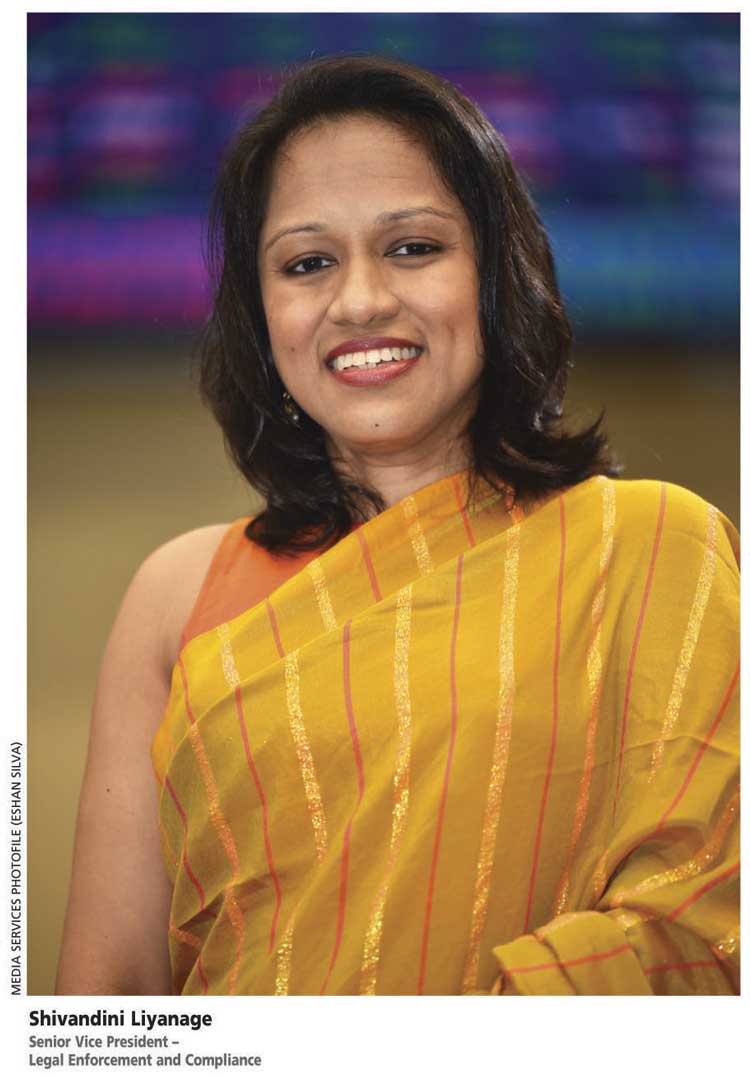
Q: Could you give us an overview of how dispute resolution works in Sri Lanka’s capital market, and the legal and regulatory framework that underpins it?
A: The dispute resolution framework is founded on a combination of statutory law, regulatory oversight, self-regulatory rules of market institutions and internal dispute resolution mechanisms established by the Colombo Stock Exchange (CSE) Group.
At its core is a structured escalation process comprising internal complaint handling, mediation, independent expert adjudication, board level review and regulatory appeal. Through these mechanisms, the framework promotes investor protection, market integrity, accountability, procedural fairness and efficient resolution of disputes arising in Sri Lanka’s securities market.
The dispute resolution rules operate within the framework established by the Securities and Exchange Commission of Sri Lanka (SEC) Act No. 19 of 2021.
As the ultimate regulatory authority, the SEC oversees market institutions and dispute resolution arrangements, approves appointments to the Dispute Resolution Panel and is statutorily empowered to hear appeals. This strengthens regulatory accountability and promotes consistency across market participants.
Beyond legislation, the legal framework extends to rules issued by market institutions under powers delegated by the Securities and Exchange Commission of Sri Lanka Act. The dispute resolution mechanism covers noncompliance with the stock exchange listing rules, trading participant rules, Central Depository rules, CSE Clear rules, circulars and operational procedures and guidelines, as well as SEC directives.
The CSE Board establishes procedures, appoints the Dispute Resolution Panel with the concurrence of the Securities and Exchange Commission of Sri Lanka and makes the final determination based on the Hearing Panel’s recommendations.
The framework follows a graduated model that encourages early resolution and minimises formal adjudication while upholding natural justice, due process, independence, impartiality, the right to be heard and confidentiality.
Q: What are the common types of disputes that arise in the capital market?
A: Common disputes are those between clients and stockbrokers. Other disputes may arise between listed entities and shareholders, depository participants or clearing members. The rules also cover disputes involving trading participants, depository participants and clearing members.
Q: How does the dispute resolution process work in practice?
A: The dispute resolution process is a structured, multi-tier mechanism for resolving disputes among capital market participants efficiently, fairly and confidentially. It combines internal complaint handling, mediation, expert determination, board review and regulatory appeals.
Stage one begins with a complaint to the relevant trading participant’s Compliance Officer, providing an opportunity for early resolution. Complaints should be made within 30 days of the disputed transaction or breach – with exceptional cases accepted up to 45 days. The Compliance Officer must investigate and decide within 30 days, communicate the decision and reasons within seven days and ensure remedial action within 14 days.
At stage two, a matter may be referred to the Mediation Panel of the Colombo Stock Exchange. The referral must be made within 14 days of the decision, following verification that the matter has first gone through the Compliance Officer process.
The panel then facilitates settlement discussions with the stockbroker represented by its CEO and Compliance Officer. The mediation should conclude within 45 days. Settlement terms are recorded in writing and signed by the parties; if not, the panel issues a certificate of non-settlement.
Stage three involves referral to the Dispute Resolution Panel where mediation fails or settlement terms are not complied with. The panel comprises 10 independent members including three attorneys-at-law, three accounting professionals, two IT experts and two capital market experts.
For each dispute, a hearing panel – generally consisting of three panel members – is constituted. The respondent submits a written response and evidence while the claimant may provide further submissions. Parties may appear personally or through attorneys-at-law with witnesses heard where required.
The panel considers the submissions and evidence before issuing a reasoned recommendation to the CSE Board. The board may accept or refer it back for reconsideration before issuing its final, binding decision. Appeal to the Securities and Exchange Commission of Sri Lanka may be made within 21 days.
Q: What role does the Colombo Stock Exchange play in facilitating and resolving disputes under the dispute resolution rules?
A: The CSE establishes, facilitates and oversees the dispute resolution process. It develops and administers the dispute resolution rules, publishes approved procedures, and provides the framework for mediation and dispute resolution while ensuring compliance with timelines.
It also serves as the escalation point after the stockbroker’s Compliance Officer considers a complaint. It verifies procedural compliance and refers eligible matters to the CSE Mediation Panel.
The exchange establishes and maintains the Dispute Resolution Panel and oversees the appointment and replacement of members, ensuring that prescribed qualifications are met. When a dispute is referred to the Dispute Resolution Panel, the Colombo Stock Exchange Secretariat constitutes the Hearing Panel and administers proceedings.
Following the hearing, the panel’s written recommendation is submitted to the CSE Board for final determination. The exchange communicates the decision within the prescribed timeframe to the parties to the dispute, informs the SEC of the board’s decision, monitors compliance with decisions and settlements, and manages administrative matters.
Q: What are the key challenges in resolving capital market disputes in Sri Lanka?
A: The key challenges include transaction complexity, the technical nature of evidence, regulatory and legal interpretation issues, balancing speed with due process, multi-party disputes, enforcement difficulties, investor awareness gaps, maintaining independence and confidentiality, and adapting to evolving technologies.
Q: With the capital market continuing to evolve, how do you see dispute resolution changing alongside it?
A: Emerging trends include greater use of mediation and alternative dispute resolution (ADR), digital and virtual dispute resolution, greater reliance on multidisciplinary expertise and enhanced regulatory oversight.
Dispute resolution in Sri Lanka’s capital markets is expected to become faster, more technology enabled and more specialised with increasing emphasis on investor protection, governance and emerging digital market risks.
The dispute resolution rules already incorporate many of these elements, positioning the framework to support an increasingly sophisticated and technology driven capital market.
Q: What steps can market participants take to prevent disputes and manage them effectively when they arise?
A: The best approach to dispute prevention and management is a combination of strong compliance, effective governance, transparent communication, early complaint resolution, robust record-keeping and proactive risk management.
Embedding these practices into daily operations can help market participants maintain compliance, prevent disputes, preserve investor confidence and strengthen market integrity.
– Compiled by Prashanthi Cooray