Economic impact of US-Israel-Iran war depends on duration of the conflict, says economist
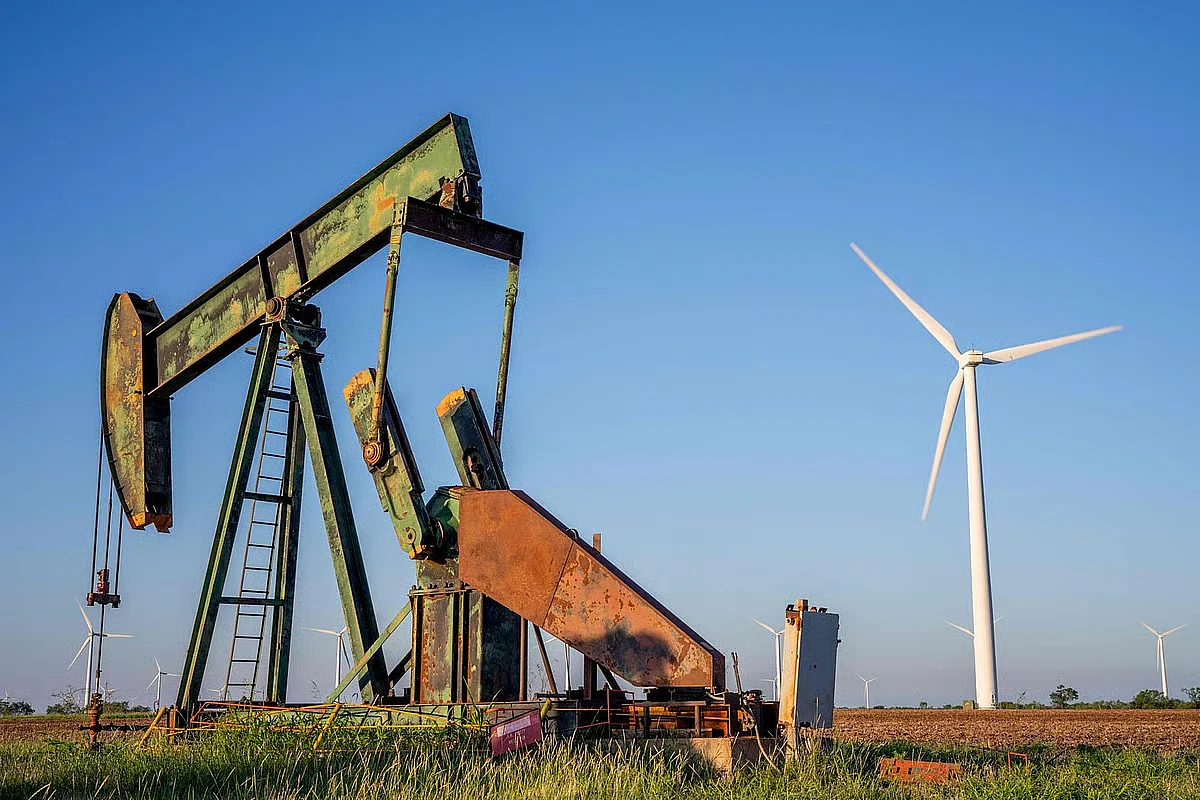
Iranian attempts to block the Strait of Hormuz could cause oil prices to jump to around $100 a barrel. Photo: AFP
Due to the risks to global oil supply, Opec+ may opt to raise production quotas at the meeting this weekend, perhaps by more than the rumoured 137,000 barrels per day
The economic fallout from the attacks by the US and Israel on Iran on Saturday will depend on how long the conflict lasts, say economists.
William Jackson, chief emerging markets economist at Capital Economics, said the impact will also depend on the scale of Iranian retaliation and the spillovers to the oil market.
“A limited set of strikes could plausibly send oil towards $80 per barrel, while a longer conflict that causes disruptions to supply could send prices much higher – with a material effect on global inflation,” said Jackson.
Media reports suggest that the US and Israeli strikes are intended to continue for several days. Iranian officials’ rhetoric has been fiery and the Iranian military has stated that Iran has launched drone and missile strikes against Israel in response.
“Iranian retaliation is likely to weigh on Israel’s economy. The 12-day war with Iran in June last year resulted in a fall in GDP of 1.1 per cent quarter-on-quarter in Q2. Elsewhere in the Middle East, there may be disruptions to activity arising from the threat of an Iranian attack on US military bases in the region (e.g. in Bahrain and Qatar) and from airspace closures,” he added.
For the global economy, he said, the impact will largely depend on the effect on the oil market.
“Our estimates suggest that the political risk premium baked into the oil price has already risen substantially amid the US military build-up in the region. That said, even if strikes remain limited, we think Brent crude oil prices might rise to about $80 a barrel (around their peak during the 12-day war), from $73 a barrel on Friday. But oil prices would rise much further if the conflict is prolonged and, in particular, if it affects actual oil supply – due to disruptions to Iranian supply or to Iranian attempts to block the Strait of Hormuz. That could cause oil prices to jump, perhaps to around $100 a barrel,” he said.
“Events are in flux, but one thing we can say with more certainty is that the risks to global oil supply make it even more likely that Opec+ opts to raise production quotas at the meeting this weekend – and perhaps by more than the rumoured 137,000 bpd,” he added.