Ethical Outlook
Integrity gains respect
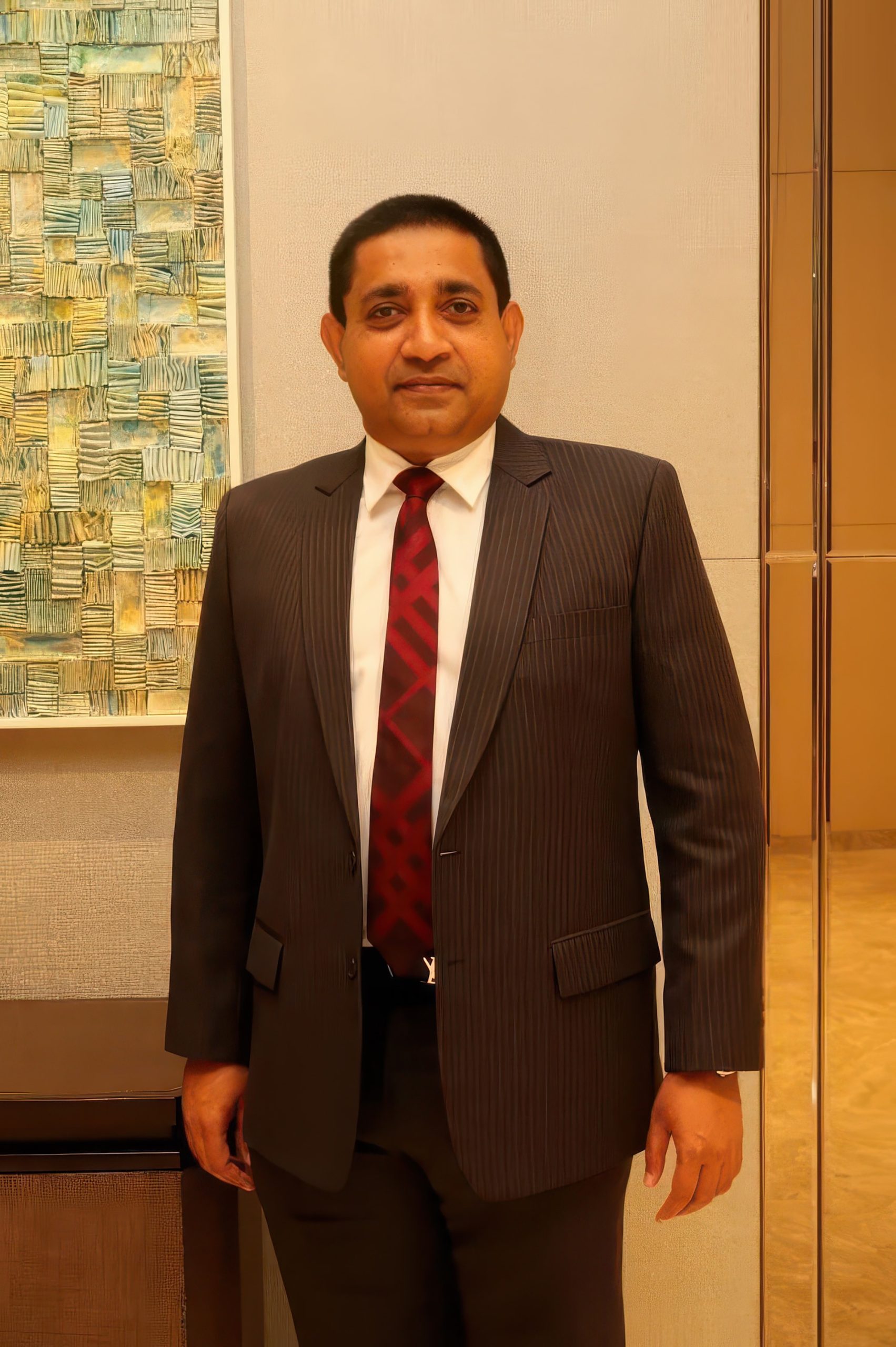
Corporate respect cannot be shaped through visibility, scale or financial strength alone. In Mizver Makeen’s view, ethical conduct gives respect its substance, revealing an organisation’s character through the choices and consistency with which it honours its word.
“Respect cannot be bought, advertised or acquired. It must be earned – and ethics is the only currency in which it is paid. A business can be large, profitable and visible, yet still not be respected,” he asserts.
While profitability may demonstrate performance, Makeen argues that what people truly respect is character – i.e. how a company behaves when there is no audience, how it treats those it deals with and whether its word can be relied upon.
“Profit measures performance; ethics measures character. Credibility and trust are built over decades through thousands of small, consistent decisions. Stakeholders place their confidence in organisations whose actions match their words and that confidence becomes the foundation of respect,” he explains.
Ethical standards shape stakeholder trust and loyalty. For customers, they’re reflected in quality, fairness and reliability; for employees, in how people are treated and promoted; and for stakeholders, in commitments honoured on time and in good faith.
Makeen continues: “When customers know that a company will not cut corners on quality, they return without being persuaded. When employees see fairness in how they’re treated and promoted, they offer their loyalty and give their best.”
In Sri Lanka’s close-knit business environment, ethical consistency can become a powerful source of goodwill. Every promise kept strengthens credibility while every broken commitment weakens it.
“Over time, that consistency administers credibility – and credibility is what transforms ordinary business relationships into lasting partnerships,” he avers.
The risks of compromising ethics are far-reaching. Legal and regulatory penalties may be serious but Makeen believes the deeper damage is reputational and cultural. Ethical failures can spread quickly, linger in public memory and limit access to international markets, where buyers and investors demand compliance.
“The legal and regulatory penalties are real but they’re the least of it. The bigger risks are reputational and cultural. Reputational damage spreads instantly today; and markets, partners and consumers have long memories,” he cautions.
When employees see leaders cutting corners, they may begin to believe that integrity is optional, weakening culture from within. Makeen warns that “compromising ethics trades a temporary gain for permanent damage – it is the most expensive shortcut a business can take.”
Embedding ethical behaviour in decision making requires more than policies and statements. It must be visible in daily conduct and led from the top.
“Ethics must be visible in actions, not framed on walls. Leaders must be willing to walk away from profitable business that conflicts with their principles – and do so openly because those are the decisions an organisation remembers,” he adds.
This commitment must also be reflected in everyday practices – paying suppliers on time, being transparent with customers, enforcing governance standards regardless of seniority and maintaining product quality without compromise. Equally, employees must feel empowered to question decisions without fear.
“When a junior employee can challenge a senior manager on a matter of principle and be heard, ethics is no longer a policy; it is the culture,” he declares.
For Makeen, financial success cannot compensate for ethical shortcomings. It may attract attention but respect depends on how that success was achieved.
“Wealth built on compromised principles must be constantly defended; respect built on integrity defends itself. Profits are what a company garners but respect is what a company is. And while you realise profits, you give back to the community,” he affirms.
An ethical outlook is the foundation that sustains every other measure of success. As Makeen sums up, “trust is earned through ethical conduct, credibility is built through consistency and respect is the result of both.”