STATE-OWNED ENTERPRISES
FROM A LIABILITY TO REAL OPPORTUNITIES
Suresh Ginige assesses the challenges, opportunities and reforms required to transform Sri Lanka’s state-owned enterprises into viable growth engines
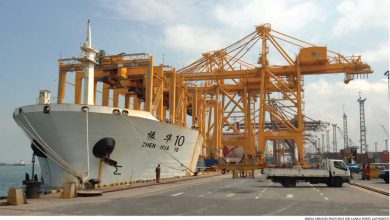
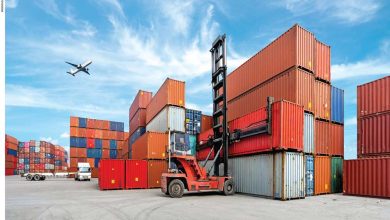
Since gaining independence, state-owned enterprises (SOEs) have been a central feature of Sri Lanka’s economy. They were established to provide essential services and achieve strategic national objectives.
But unfortunately, instead of driving national development as intended, many have become bastions of political patronage, unchecked corruption and chronic mismanagement.
Economically, the consequences have been disastrous.
Years of accumulated losses, mounting debt and operational inefficiencies have imposed an enormous burden on the country’s finances. By relying on government subsidies to cover recurring losses, these enterprises not only undermine fiscal stability but also divert scarce public resources away from vital sectors such as education, healthcare and social protection.
However, it is important to note that not all SOEs are created equal: according to data compiled by the Ministry of Finance, a relatively small number of SOEs account for the overwhelming majority of losses while a handful of profitable entities generate most of the sector’s earnings.
Among the loss making SOEs, two stand out: SriLankan Airlines and the Ceylon Electricity Board (CEB).
Founded as Air Lanka in 1979, SriLankan, was intended to be a symbol of the country’s progress. Instead, it has become a millstone around the neck of the public. The beleaguered carrier’s total outstanding liabilities currently stand at US$ 993 million while accumulated losses reached a staggering Rs. 615 billion last year.
The previous government attempted to sell the company but discovered that no credible investor was willing to acquire an airline burdened by an ageing fleet and a mountain of debt.
Hoping for better prospects, the authorities have now appointed a restructuring committee. They are also reportedly prepared to absorb half the airline’s debt, transferring the burden onto the country’s taxpayers.
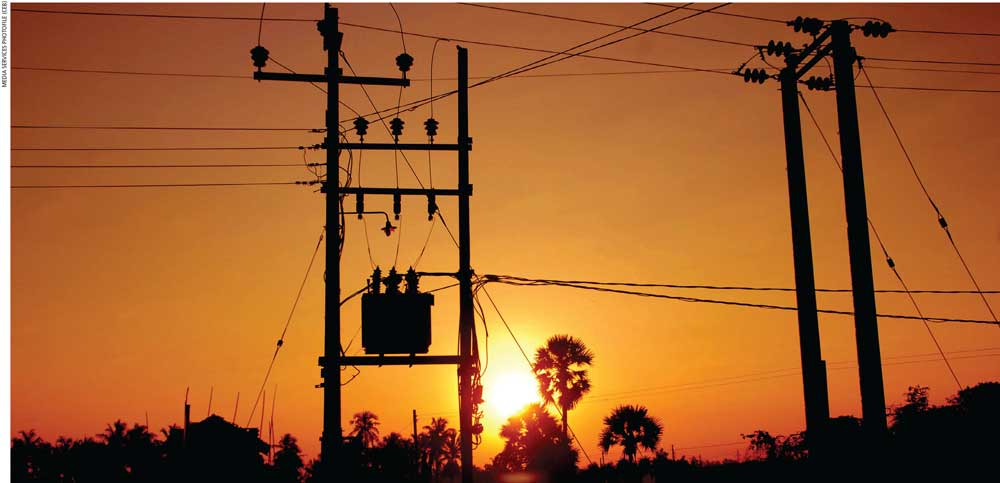
And the situation is no better at the CEB: accumulated losses totalled 413 billion rupees last year, reflecting decades of politically driven subsidised electricity pricing.
A lack of consistent long-term direction, combined with allegedly crooked deals involving major infrastructure projects, has made electricity generation in Sri Lanka among the most expensive in the region.
The consequences extend well beyond the CEB itself. Its substantial arrears to the Ceylon Petroleum Corporation (CPC) have weakened the finances of another major state enterprise, illustrating how the inefficiencies of one SOE can cascade across the wider public sector.
To their credit, the state banks have managed to remain profitable despite having to extend substantial lending to the CEB and other financially distressed SOEs. Their performance demonstrates that even commercially viable state enterprises have had their financial performance constrained by government intervention.
The IMF has made the restructuring of state-owned enterprises a fundamental pillar of its reforms, underscoring the critical influence of these organisations on Sri Lanka’s economic recovery. To this end, an important step has been the introduction of cost based pricing, which has brought a measure of financial discipline while inflicting considerable pain on the general public.
More importantly, International Monetary Fund oversight has compelled the government to begin implementing long overdue structural reforms. These reforms are indispensable if the country is to restore long-term economic stability and achieve sustainable c growth.
The opportunities are considerable – SOEs collectively control assets valued at approximately Rs. 16.5 trillion, equivalent to nearly half the country’s GDP. If managed effectively, these enterprises could become powerful engines of economic growth rather than persistent fiscal liabilities.
Unlocking this potential requires a fundamental shift in thinking. State-owned enterprises must be viewed as commercial enterprises operating with clear mandates, measurable performance targets and robust governance.
The government is reportedly considering the establishment of a holding company to manage its SOE portfolio. Singapore’s Temasek Holdings and Malaysia’s Khazanah Nasiona demonstrate the benefits of separating ownership from political administration.
A professionally managed holding company could oversee performance, allocate capital efficiently and maximise long-term value creation.
One of the most critical reforms is the strengthening of governance structures. Effective SOEs require competent and independent leadership. Board members, chairpersons and chief executives must be appointed on merit rather than political connections.
Transparency must also become a cornerstone of state-owned enterprise operations. Comprehensive disclosure of financial performance, procurement activities and strategic objectives can improve accountability while reducing corruption. And financial sustainability must underpin every reform.
Cost reflective pricing should remain the norm, supported by targeted social protection programmes that assist vulnerable households
Cost reflective pricing should remain the norm, supported by targeted social protection programmes that assist vulnerable households.
In some cases, partnerships may offer the most practical path to revitalisation. Strategic joint ventures between underperforming enterprises and successful private sector partners can introduce new technology, expertise and investment while preserving public interests.
Transforming SOEs from liabilities into opportunities will require political will, institutional change and sustained commitment. The public has borne the pain of reform with considerable fortitude and the government must not squander this opportunity.
A reformed SOE sector can strengthen public finances, improve essential services and investor confidence, and become a powerful driver of long-term economic prosperity.