MARKETING MANTRA
STEP OUTSIDE THE ALGORITHM
Dr. Muneer Muhamed urges marketers not to let data neutralise emotions
Sri Lanka may not have a Super Bowl but the cricket season comes close. From Colombo to Kandy, to a living room in Kurunegala where three generations debate the batting order with constitutional seriousness, brands descend with enthusiasm and large budgets.
Every agency promises impact, every client demands recall and every ad break becomes a parade of ambition. And yet, when the overs are done with, how many of those ads do you remember?
Marketers today have tools that would have impressed even the most optimistic executive a decade ago. They can track behaviour, segment audiences, predict preferences and optimise campaigns with unnerving precision. Marketers know what you watched, when you paused, what you clicked and possibly what you almost clicked!
In theory, this should produce advertising brilliance; but in practice, it produces perfectly targeted, emotionally hollow content.
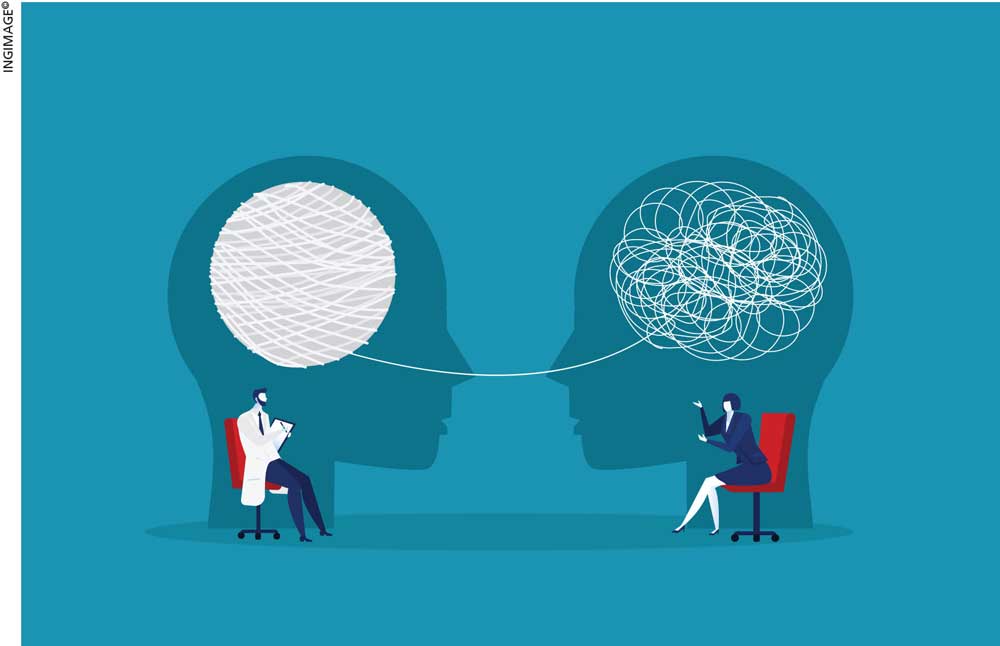
Data can be both a gift and a mild curse. It tells you what people are doing – but not why. Data can reveal that a certain audience prefers short videos but not why those same people might reject your campaign because it feels tone-deaf during a fuel crisis or a week of power cuts.
Context matters more than correlation: a dashboard may glow green but the street outside might tell a different story.
Despite this, many brands treat data as divine instructions. Campaigns are designed like engineering projects – i.e. optimise, test and repeat.
The result is advertising that’s technically flawless but emotionally vacant. It speaks to consumers but rarely connects, and is the marketing equivalent of a polite conversation on a crowded bus – efficient, civil and entirely forgettable.
And the irony is that Sri Lanka is an intensely expressive market. People don’t merely consume; they react, debate, celebrate and complain with admirable energy. An advertisement for tea can trigger nostalgia or a telecom campaign could spark WhatsApp debates that last longer than the offer itself. Humour travels quickly, outrage even faster.
And yet, many campaigns seem curiously detached from this emotional reality.
Part of the problem is timing. Culture moves faster than data; and by the time insights are collected, cleaned and presented, the moment has passed. A marketer armed with last month’s truth launches a campaign into this month’s reality – and the result is irrelevance.
Souse data but don’t worship it. Let it only provide information. Creativity thrives on risk – and risk rarely appears on a spreadsheet. Some of the most memorable campaigns are those that surprise, provoke or simply feel human.
Marketers might also rediscover the lost art of paying attention to people rather than dashboards. Listen to conversations in buses and observe behaviour in shops. Notice what makes people laugh, complain or forward a message at midnight.
This nation offers no shortage of insights. The challenge is not access but the willingness to step outside the algorithm and engage with reality.
Another unfashionable suggestion is diversity of thought – not the kind that appears in annual reports but the type that makes meetings uncomfortable. Bring in people who don’t think like marketers – such as writers, teachers, historians or even that relative who has a strong opinion about everything.
They may not understand what cost per mile (CPM) means; but they understand people, which is useful in advertising.
Then there’s technology such as AI, which promises to solve everything except the one thing that matters most: empathy.
Artificial intelligence can generate content, optimise distribution and analyse behaviour at scale. It can even attempt humour; but what it can’t do (at least for now) is genuinely understand how people feel at a specific time. It doesn’t experience frustration during a blackout or relief when the rains arrive – because it can only process patterns rather than emotions.
This glitch becomes obvious when AI fuelled campaigns face plant. Messages that look perfectly logical suddenly feel wildly inappropriate in real life since the algorithm simply lacks context. And this begs the question: in a world run by machines, who still uses human beings in the marketing function?
Ultimately, the answer wanders back to the marketer. Data is a tool, AI is another and even the fanciest targeting system is simply one of many tools. The real work lives in interpretation, judgement and empathy… qualities that remain stubbornly and gloriously human.
Perhaps this explains why so many recent ads feel underwhelming. Not because the industry lacks brains or budgets but because it has become a little too efficient. In chasing optimisation, it has neatly shaved off the quirks that make content memorable.
People still value stories, humour and emotional connection, and they barely remember the most targeted ad. But they will not forget the one that made them feel something.
And that can’t be measured on a dashboard.
Use data but don’t worship it