DIMO
A CULTURE OF MERITOCRACY AND GROWTH
Q: What does meritocracy mean to you in practical terms?
A: True meritocracy means that a person’s gender, age, social background, school, personal connections or the position in which they entered the organisation should not determine how far they can progress. What matters is what a person delivers – and equally, how that person delivers it.
Meritocracy is more than a policy at DIMO. It is an organisational belief that people should be recognised and given opportunities based on their contribution, capability, potential and conduct.
Q: How do you balance that heritage with the expectations of a new generation of employees?
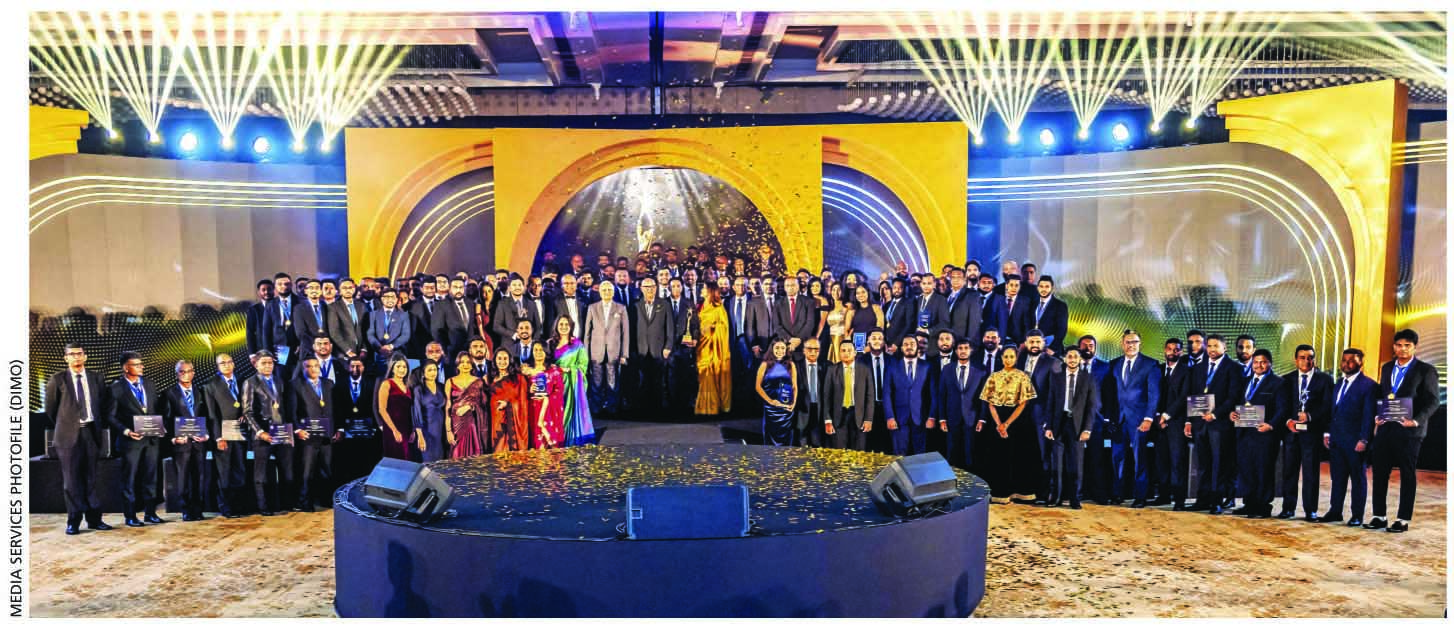
A: DIMO has a proud history spanning more than eight decades; and naturally, there are traditions that continue to connect generations of employees.
The word ‘tribe’ may sound somewhat old or traditional. However, being part of the DIMO tribe does not mean holding on to every tradition simply because it has existed for a long time.
We continue practices that still have value, purpose and merit. At the same time, we transform practices that no longer serve our people, customers or businesses.
And we recognise the aspirations, expectations and energy of younger generations. But we do not overlook the experience, organisational knowledge and wisdom of older generations.
A progressive organisation should not favour any one generation; but it should create an environment in which different generations learn from one another and contribute through their respective strengths.
To be part of the DIMO tribe therefore, is to belong to an organisation that respects its roots but is not restricted by them.
Q: How is this philosophy reflected in the employee experience at DIMO?
A: Our employee value proposition is ‘Making Work Enjoyable and Rewarding.’ Enjoyable work does not mean that work is always easy or free from pressure.
Meaningful work can be challenging and demand discipline, resilience, learning and sometimes difficult decisions. However, people should still feel respected, included, supported and able to find purpose in what they do.
Rewarding work also goes beyond financial rewards. Employees should feel that their contribution is recognised, that they are learning, that their work has meaning and that they can see a future for themselves within the organisation.
‘Life at DIMO’ is how this employee value proposition is experienced daily. It is reflected in how managers speak to their teams, how openly employees can express ideas, how fairly opportunities are distributed, how good work is appreciated and how people are supported during challenging periods.
Q: How does meritocracy translate into actual career progression at DIMO?
A: At DIMO, career progression is based on performance, potential, values and readiness. Employees who joined us as trainees, apprentices, technicians, sales personnel, junior executives and through other nontraditional entry points have progressed into managerial and leadership positions.
Their growth did not happen due to years of service. It came through consistent performance, continuous learning, challenging assignments, coaching and a willingness to accept greater responsibility.
Meritocracy is also one of the strongest methods of reinforcing organisational behaviour. What management recognises, rewards, promotes and tolerates will eventually be repeated across the organisation.
A person may achieve a short-term financial target; but if it is achieved by compromising compliance, weakening the team, damaging customer relationships, neglecting people development or sacrificing long-term business sustainability, it cannot be considered high quality performance.
Management must encourage farsighted performance rather than short-sighted performance. We value people who deliver today’s results while also building tomorrow’s capability.
Sustainable performance is not simply about reaching the destination. It is also about the path taken to reach it.
Q: What opportunities does DIMO provide to young people entering the workforce?
A: For university undergraduates and vocational trainees, DIMO provides exposure that goes beyond observing from the sidelines.
Young people are given practical assignments, project responsibilities, access to experienced professionals and opportunities to understand how their work contributes to a larger business outcome.
They are encouraged to ask questions, contribute ideas and take ownership within an appropriate framework of guidance.
Internships can also become gateways to long-term careers. Where there is a strong match between attitude, capability, performance and opportunity, a young person can continue to grow within the organisation regardless of the level at which they first entered.
Q: How do you ensure that employees continue to learn and develop?
A: As DIMO operates across highly specialised technical, engineering and commercial sectors, learning must be practical, continuous and relevant.
Our employees receive exposure through technical certifications, programmes conducted by international principals, vocational learning, leadership development, cross functional assignments, mentoring, coaching and major projects.
I believe that most meaningful development takes place through work itself. People grow when they are trusted with challenging responsibilities, exposed to unfamiliar situations and supported by leaders who are prepared to coach them.
Q: Equal opportunity is another important aspect of a meritocratic culture. How does DIMO approach this?
A: Candidates are naturally sceptical about workplace promises. Trust must therefore be built from the first interaction through clear job expectations, respectful interviews, transparent selection criteria, honest communication and a meaningful onboarding experience.
Equal opportunity does not mean reducing standards or guaranteeing the same outcome to everyone. It means ensuring that everyone has a fair chance to compete and irrelevant barriers do not limit a person’s progress.
People performing work of equal value with comparable responsibilities, capability and performance should not be paid differently because of gender.
Where an unexplained disparity exists, a responsible organisation must be prepared to identify it, understand it and correct it.
Nothing else should matter more than the value a person creates and the manner in which that value is created.
Q: Why do you believe a merit first culture is particularly important to the next generation of professionals?
A: Young professionals seek purposeful work, fairness, autonomy and genuine opportunities to grow. A credible merit first culture tells them that their voice matters, their contribution will be recognised and their future is not limited by where they started.
However, meritocracy must be practised consistently. It requires clear standards, courageous leadership, and an ongoing effort to challenge both conscious and unconscious biases.
When people trust the system, they spend less energy managing internal politics and more energy learning, innovating and contributing.
DIMO honours valuable traditions while embracing transformation; recognises both younger and older generations; and makes work enjoyable, rewarding and meaningful.
– Compiled by Yamini Sequeira
COMPANY DETAILS
- Email: dimo@dimolanka.com
- Website: www.dimolanka.com