SPOTLIGHT
BEYOND THE PANOPTICON
REFRAMING ENCLOSURE, CONTROL AND RESOCIALISATION IN SRI LANKA’S PRISON ARCHITECTURE
By Archt. Tameez Bohoran
In the vocabulary of architecture, enclosure is often synonymous with the envelope or the protective facade that defines a space. However, when viewed through the lens of the penal system, enclosure takes on a more profound and manipulative meaning. It becomes a tool of containment, surveillance and social control. As we explore the evolution of prison architecture over the past centuries, we must ask: does prison architecture merely restrict and punish, or does it provide a framework for penance and resocialisation?
For centuries, punishment functioned as a social instrument of control, often enacted through public acts of bodily violence – ranging from torture and execution to banishment – intended to deter and subdue society. As famously noted by Michel Foucault (1975), the pre-classical era treated the body as the primary site of pain and justice. However, eventually, growing resistance to such brutality prompted a humanitarian shift, replacing physical punishment with the deprivation of liberty. The prison emerged as a spatial expression of this transformation, where discipline and surveillance replaced spectacle and pain.
Enclosure became the primary instrument of discipline. The origins of cellular confinement date back to the late 18th century, when marginalised groups such as beggars, vagrants and the mentally ill were institutionalised on the basis of being unproductive or socially dangerous. During the Industrial Revolution, confinement evolved into a mechanism for controlling unemployment and extracting cheap labour through workhouses, a model that later inspired and was adopted into modern prison systems. Early prison designs translated this punitive philosophy through scale, volume and a central emphasis on surveillance.
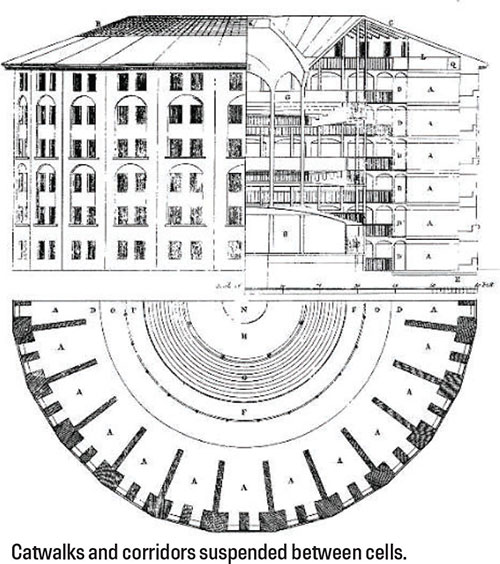
The most iconic example is the concept of the Panopticon, a hierarchical structure designed so that a central surveillance unit could observe all inmates without them knowing they were being watched. This architectural strategy creates a permanent state of visibility, internalising the eye of power within the inmate’s mind and creating a mental boundary far more restrictive than any physical wall. The prison cell emerged as the core unit of this system, designed to isolate individuals, restrict interaction and reinforce hierarchical control.
In spaces designed for containment, design psychology is deployed strategically to enforce entrapment. These are total institutions where the enclosure dictates every aspect of life.
Towards the late 20th and 21st centuries, however, the conversation started to shift. Prisons have increasingly been reimagined not merely as places of confinement but as environments capable of fostering rehabilitation and reintegration into society. Crime also came to be contextualised socially, economically and politically, allowing for a deeper understanding of its causes and circumstances. Yet, while modern prison systems around the world aim to punish and reform, their continued struggle with recidivism reveals deeper failures in supporting effective resocialisation, particularly in countries such as Sri Lanka. This underscores the critical role of architecture, not merely as a container of inmates but as a powerful medium capable of shaping experiences, influencing behaviour and facilitating reintegration into society.
Within these walls, two conflicting social processes occur. On one hand, inmates adapt to incarceration by learning to survive within a highly controlled environment. This involves adapting to the culture and challenges of incarceration, which can lead to the internalisation of an inmate code, loss of individuality, survival and habituation to sub-cultures. On the other hand, reformation for society focusses on rehabilitating and resocialising the individual to function in a world of freedom, based on the assumption that penance and reflection through punishment has been achieved.
The sociological danger lies in prisonisation – a concept put forth by Donald Clemmer –which describes the process where inmates become so habituated to the customs of the enclosure that they lose the ability to function in society. When architecture is hyper-carcerative, with conditions worse than life outside, it creates a social degradation and stigmatisation that makes reintegration nearly impossible.
Architecture has the power of shaping behaviour, emotions and social interactions. It does not only contain the body; it also manipulates the human spirit. A prison designed solely for confinement reinforces exclusion, while one designed with humane principles can encourage rehabilitation. Modern approaches emphasise de-carcerative environments, where prisons mirror aspects of normal life while still restricting freedom. Such models can be found in Scandinavian countries, where successful models have been implemented, enabling effective resocialisation.
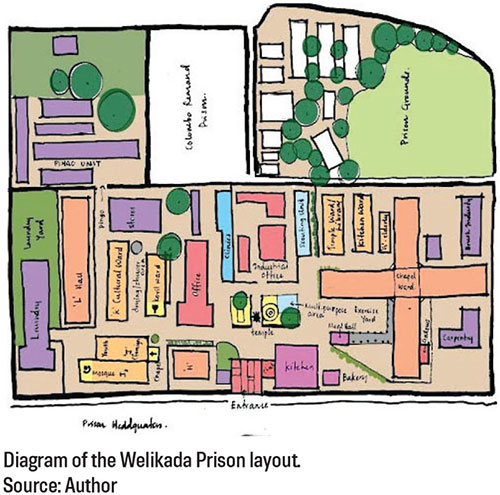
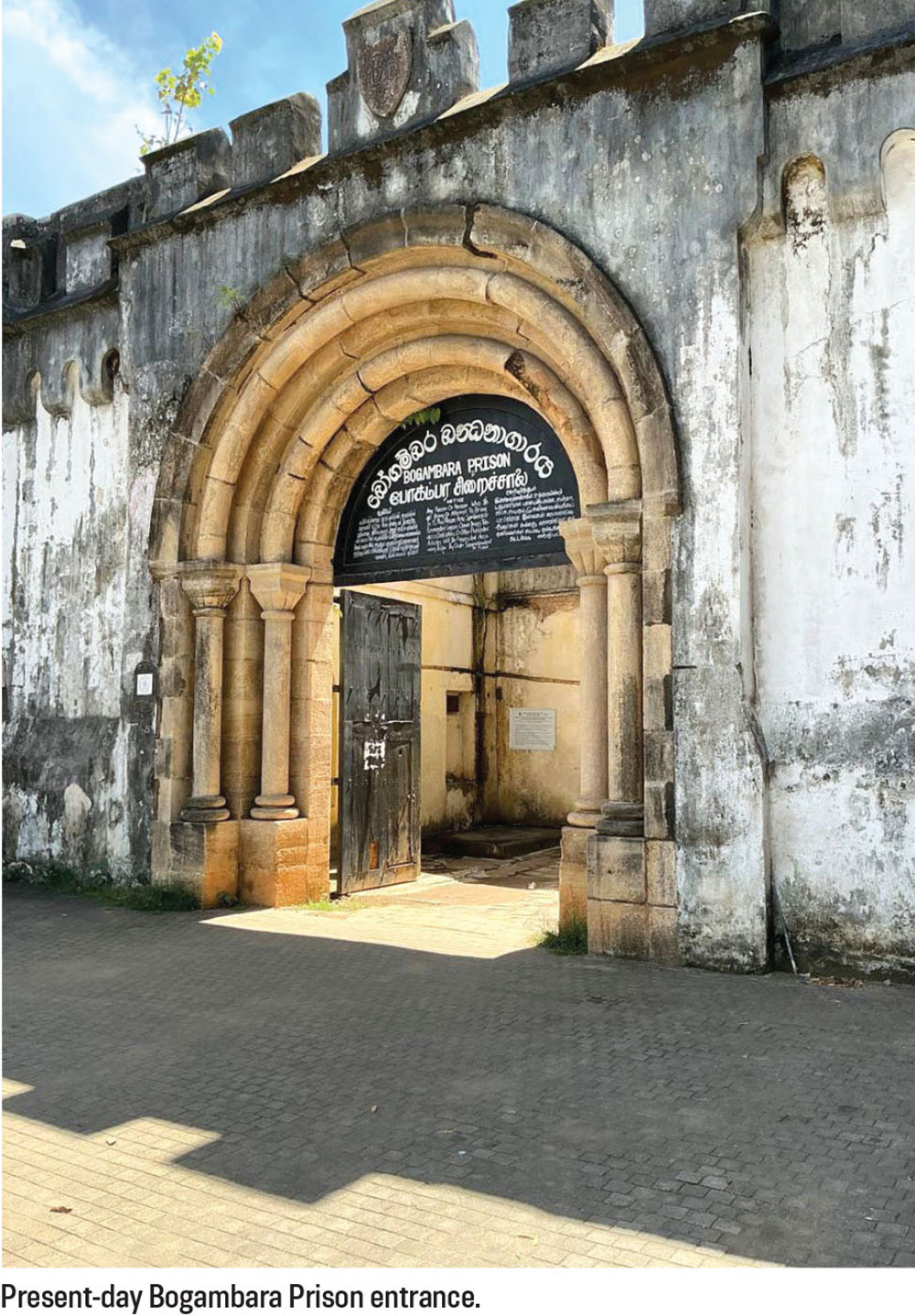
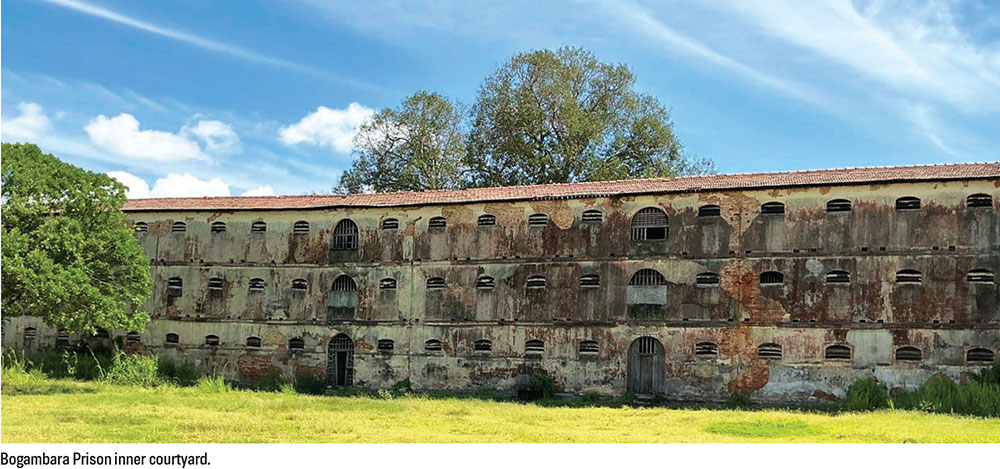
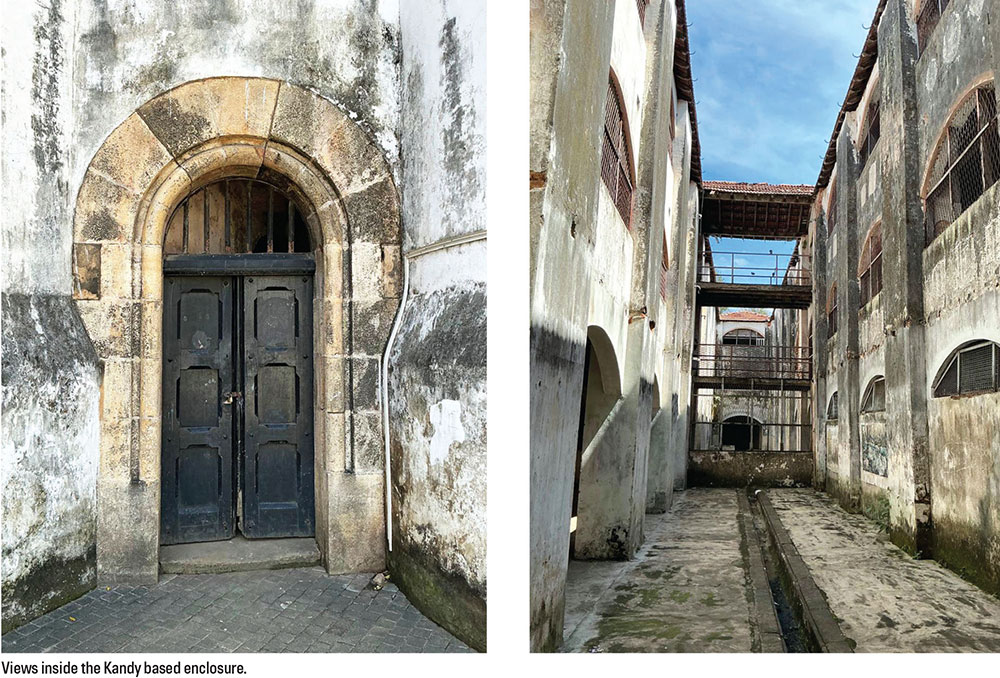
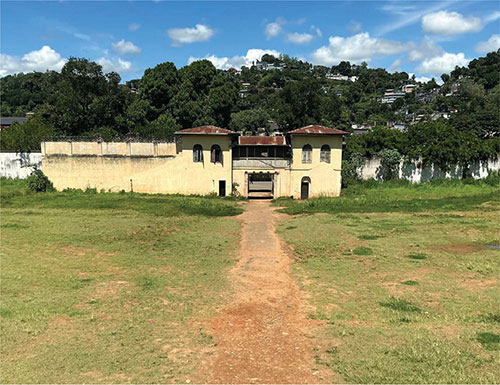
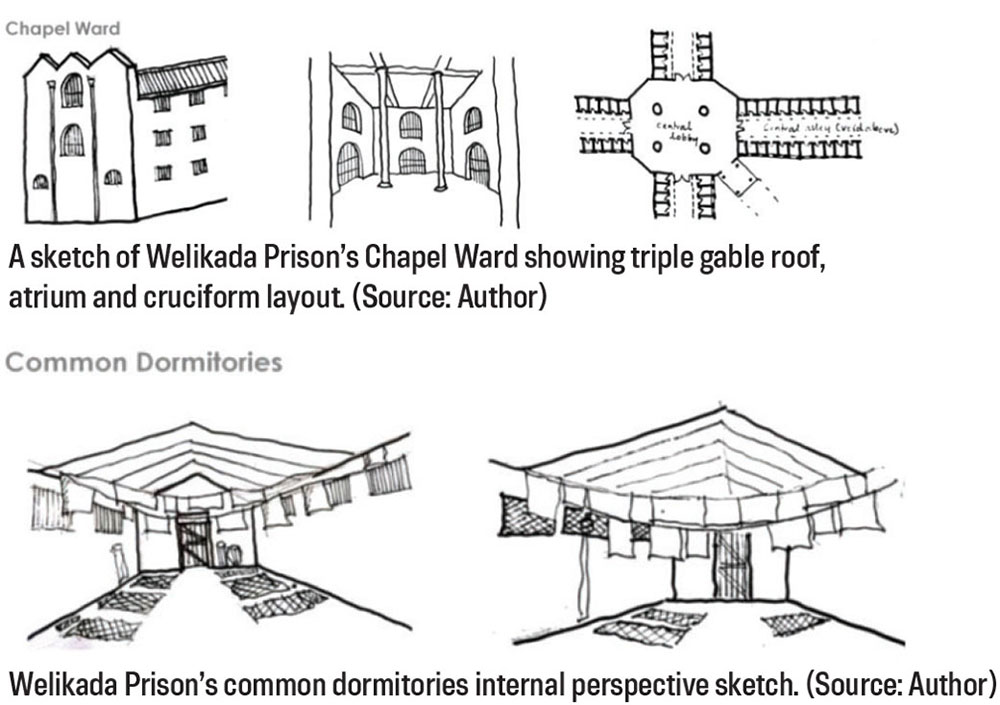
Sri Lanka’s architectural response to crime has long been a battle between colonial legacy and modern necessity. Welikada Prison (est. 1844) and Bogambara Prison (est. 1876), two of the country’s most notable and largest maximum security prisons, epitomise the concept of the punitive enclosure. Their massive, fortified masonry walls and tiny apertures prioritise containment over human comfort. Both prisons housed gallows, making them the only two facilities in the country where the death penalty was implemented until the practice was suspended 1976 onwards. Although the latter was closed in 2013, with inmates relocated to a more modern facility in Dumbara, Pallekele, Welikada Prison in Colombo still functions under the strain of extreme overcrowding, operating at nearly three times its design capacity. Original 19th century buildings such as the Chapel Ward, continue to be utilised, alongside newer additions of cell blocks, often referred to as halls or wards.
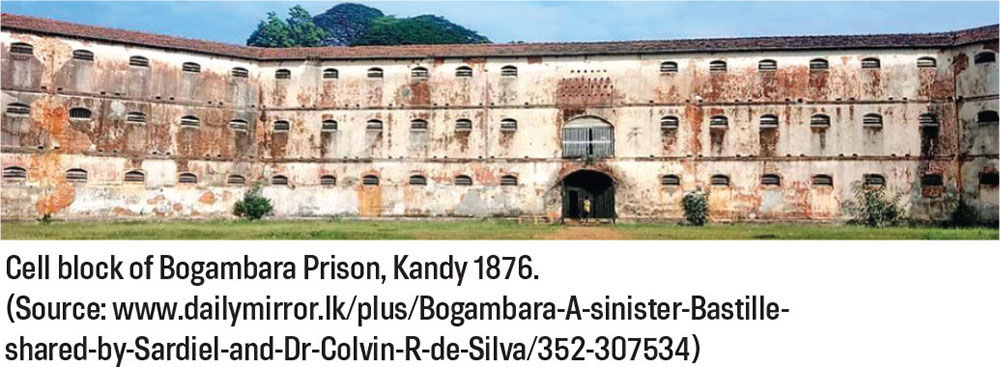
The cell remains the dominant spatial unit. Designed for isolation rather than interaction, it reinforces a punitive philosophy rooted in containment rather than transformation. Alternatively, to tackle the spatial challenges, inmates are often packed into cell blocks or common dormitories based on the security classification and nature of their crimes. The spatial struggle is twofold – either inmates are completely isolated from human contact in extreme instances, or dormitories lack clear divisions, forcing them to compete for personal and sleeping space. Individual cells, measuring around 4.4 square metres in size, are often shared by four to five inmates, while common dormitories have up to 75 individuals. Shared toilets are often unsanitary or non-functional. A lack of light and ventilation further diminishes the quality of life, while structural integrity remains questionable in older blocks, with vandalised and deteriorating walls.
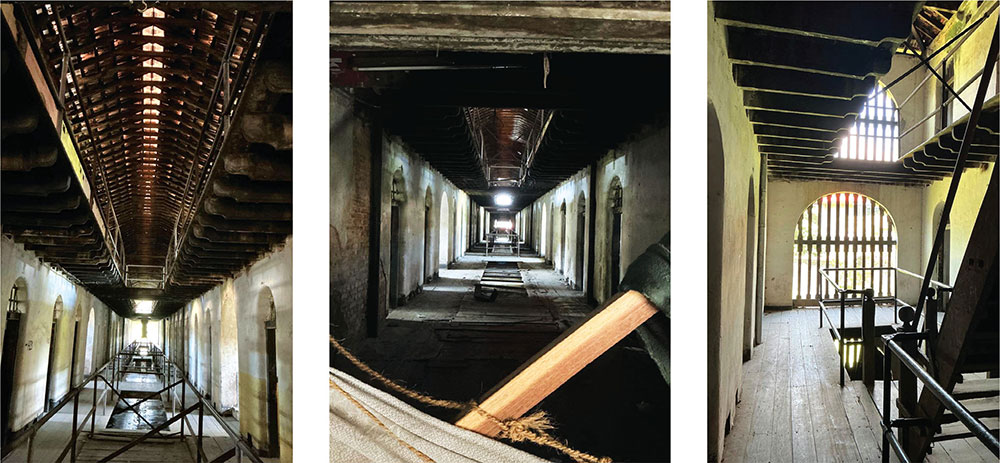
Communal life is often unstructured and outdoor spaces are underutilised or poorly designed in an ad hoc manner. Employment, education and religious engagements are encouraged, however, daily wages for employment have not been increased in decades. Such environments fail to simulate the dynamics of everyday life. As a result, inmates experience a sharp disconnect between prison and society, making the transition back into the community psychologically and socially challenging. Furthermore, severe budgetary constraints resulting from economic collapse, political fragility and repeated national level crises have led to the de-prioritisation of spatial reforms and inmate wellbeing, further compounded by social stigma.
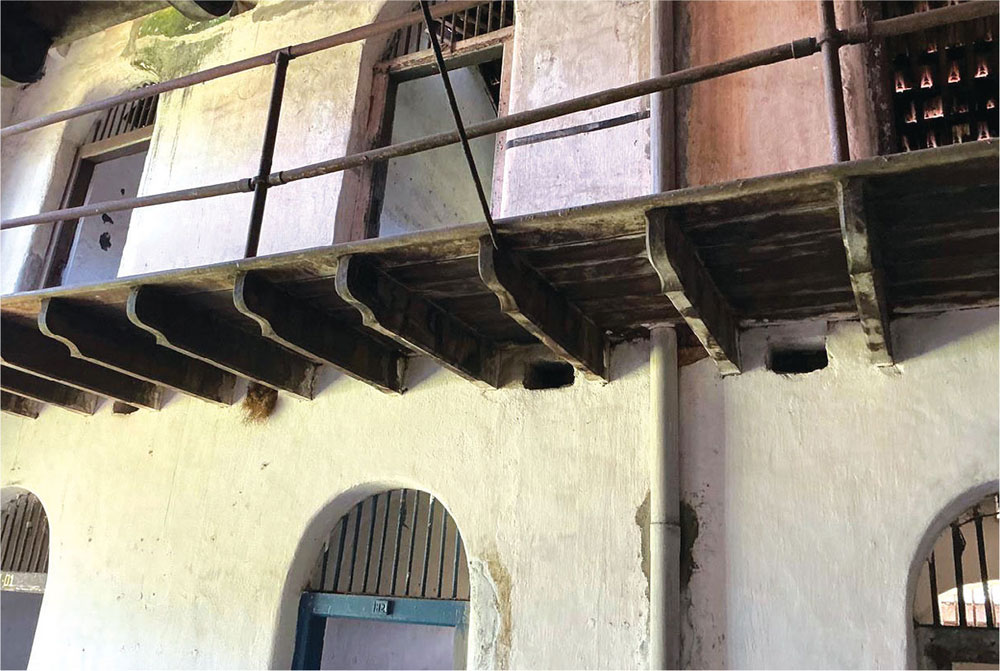
The architectural language of fortified walls, barred openings and monolithic forms, projects an image of exclusion. This image extends beyond the institution, shaping public perception and reinforcing the marginalisation of former inmates.
For Sri Lanka, this shift may require considerable rethinking of several key architectural elements for transformation. Spatial organisation must move away from rigid, hierarchical layouts towards more flexible and human-scaled environments, with accommodation blocks designed to include shared spaces that encourage safe interaction and community building. Integration with context serves as an alternative to isolated compounds, where prisons can be designed to engage with their surrounding urban or rural environments. This could include vocational programmes community facing facilities, or economic activities that connect inmates with society. Spatial and environmental quality focusses on designing with access to natural light, ventilation and outdoor spaces, while integrating nature into the built environment to reduce stress and improve mental wellbeing. Functional diversity ensures that spaces for education, work, recreation and cultural activities are integral to prison design as these programmes not only occupy time but also equip inmates with skills for reintegration.
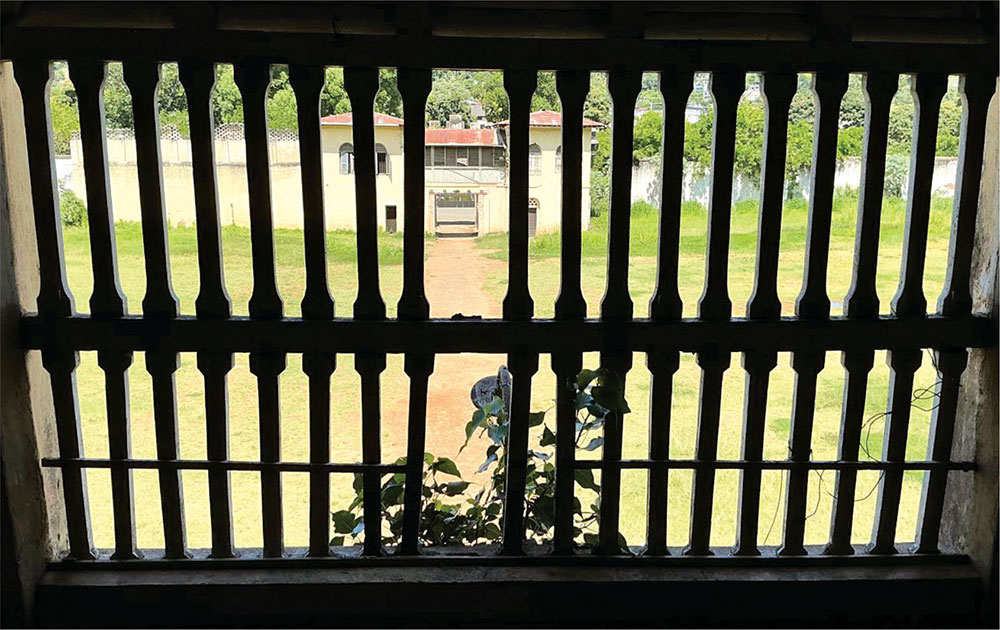
And finally, a reimagining of boundaries recognises that the prison wall – while necessary for security – need not be an impenetrable barrier. Architectural strategies such as layered zoning or functional buffers can maintain security while softening the institution’s relationship with its surroundings.
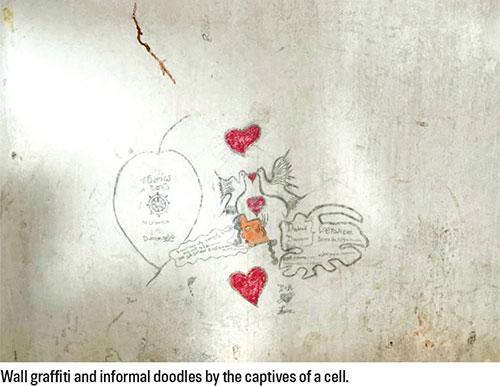
The persistence of conventional design typologies suggests a lag between evolving penal philosophies and their spatial expression. As research indicates, local prisons continue to exhibit hyper-carcerative characteristics, particularly in terms of spatial quality and environmental conditions. Even newer facilities in Pallekele (est. 2013) and Angunakolapelessa (est. 2017) reflect a struggle to break free from conventional, restrictive typologies. While they offer modern administrative control, both facilities still lean toward the architecture of isolation.
Enclosure, at its core, is not inherently oppressive. It is a fundamental architectural act that defines space, creates boundaries and enables function. In the context of prisons, the question is not whether to contain – but how. Can containment be designed to heal rather than harm? Can walls protect without alienating? Can architecture support the reintegration of those it confines?
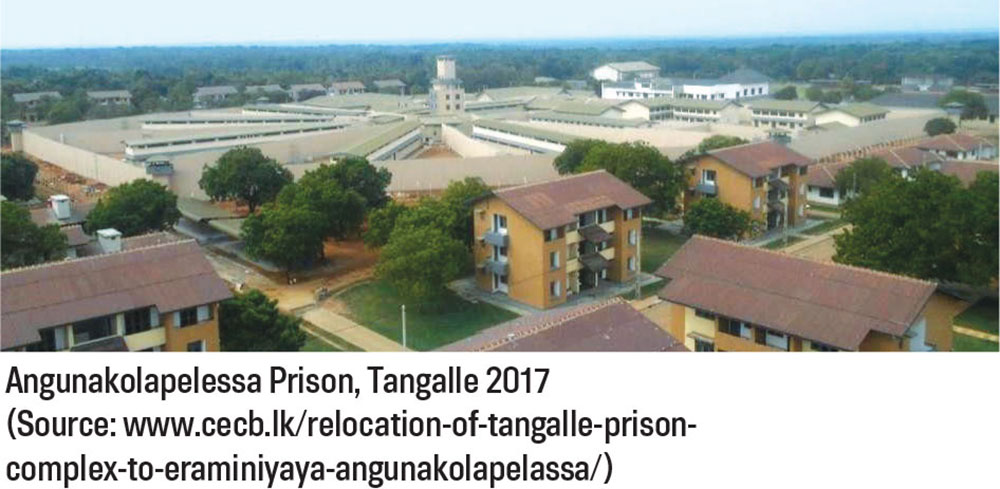
The future of prison design in Sri Lanka depends on how these questions are answered. By moving beyond the legacy of control and embracing a more humane, socially responsive approach, prisons can become spaces that not only contain but also transform.