REAL ESTATE SECTOR

COMPILED BY Prashanthi Cooray
VALUE BEYOND THE ADDRESS
Hardy Jamaldeen describes what makes a property investment truly worth it
Q: Does location remain the golden rule of real estate or are changing lifestyles, remote work and consumer preferences redefining property values?
A: Location will always be an important factor in real estate but the meaning of a ‘good location’ has broadened.
Traditionally, the focus was on the address, access to the city centre and proximity to commercial activity. And these fundamentals still matter.
However, today we also have to consider how people want to live, work and spend their time. Connectivity, infrastructure, amenities, neighbourhood quality and a property’s flexibility are becoming increasingly important.
For offices, accessibility, parking and the working environment matter. Residential developments prioritise convenience, security and lifestyle. And for hospitality, the setting and the experience it offers are as important as the physical building.
My experience in real estate investment has taught me to look beyond the obvious appeal of a location to assess demand, income potential and long-term sustainability.
A prime address doesn’t guarantee a sound investment if the building is poorly designed or managed, or isn’t suited to the market. Conversely, a property that isn’t considered prime today may have potential if infrastructure improves or the asset can be repositioned.
Location provides the starting point but development, management and adaptability determine how much value can be created.
Q: When you assess a property investment, what are the first three things you consider – and what would make you walk away from a deal?
A: I look at the asset and its location, the financial case, and the legal and execution risks.
First, I assess the property and demand supporting it. Who are the likely tenants, buyers or users? What makes this location attractive? Is there evidence of demand or does the investment rely on forecasts that may not materialise?
Second, I look at the numbers including realistic income, operating expenses, maintenance requirements, capital expenditure and financing costs. I also consider how the investment will perform if occupancy takes longer to establish, rental growth slows or interest costs rise.
A deal should work on sensible assumptions, not only in the best-case scenario.
And third, I look at title, approvals, contractual obligations and the practical ability to execute the business plan. Unresolved legal or regulatory issues can delay a project and undermine returns.
I’d be cautious about unclear ownership, unrealistic pricing, hidden liabilities or a capital structure that leaves no room for unexpected costs. And I am wary when the seller’s valuation is disconnected from actual earning capacity. Not every opportunity is the right investment.
Q: How do you see the relationship between real estate and tourism evolving in Sri Lanka? Can hospitality led property development create value beyond simply adding more hotel rooms?
A: Sri Lanka can create greater value by bringing real estate and tourism together to create destinations that give people a reason to visit, stay longer, spend locally and return.
Sri Lanka’s natural and cultural assets, from its coastline to the hill country, offer scope for diverse hospitality concepts, provided that developments respect their surroundings and meet market demand.
Well designed properties can also support local employment, food producers, transport providers, guides and other small businesses.
Each property should have its own identity and relationship with its setting. A coastal escape should feel different from a retreat in the hills with the location shaping the architecture, guest experience and connection to the destination.
From an investment perspective, value depends on a strong brand, quality experiences and demand beyond peak seasons. The concept, operating model, investment cost and target market must align.
The focus should be on distinctive, well managed properties rather than room numbers alone. This can create value for the property owner while contributing to Sri Lanka’s tourism offering and economy.
Q: What is the biggest risk facing Sri Lanka’s real estate sector over the next five years – and what opportunity is most likely to be overlooked?
A: One of the key risks is a mismatch between property valuations and the income or purchasing power supporting them.
If buyers cannot afford asking prices, tenants cannot sustain rents or financing remains costly, the case for investment weakens. Policy uncertainty and rising capital costs add to the risk.
This is why investors must be careful about making assumptions. They must distinguish between asking prices and achievable values, and between projected and sustainable income. Real estate ties up capital for long periods so mistakes made at the point of acquisition can be difficult to correct.
The potential to unlock value from existing properties is underestimated. Better leasing strategies, targeted upgrades, more productive uses and improved cost control can enhance returns.
This is where active asset management becomes critical. It requires understanding the property in detail and executing a realistic plan thereafter.
New developments remain important but repositioning and improving existing properties can unlock value through disciplined management.
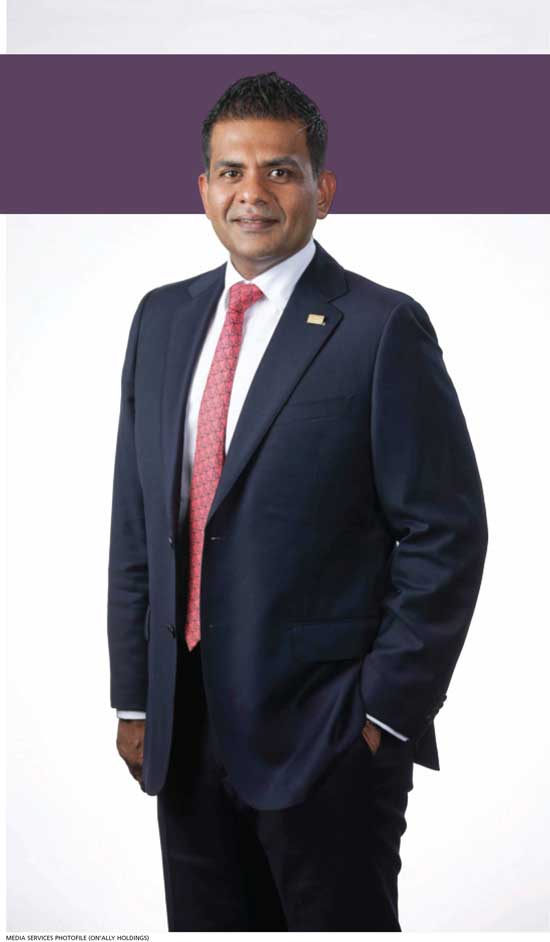
Hardy Jamaldeen is the Executive Director and Cofounder of Steradian Capital and W15 Collection.
Look beyond the obvious appeal of a location to assess demand, income potential and long-term sustainability