JOHN KEELLS HOLDINGS
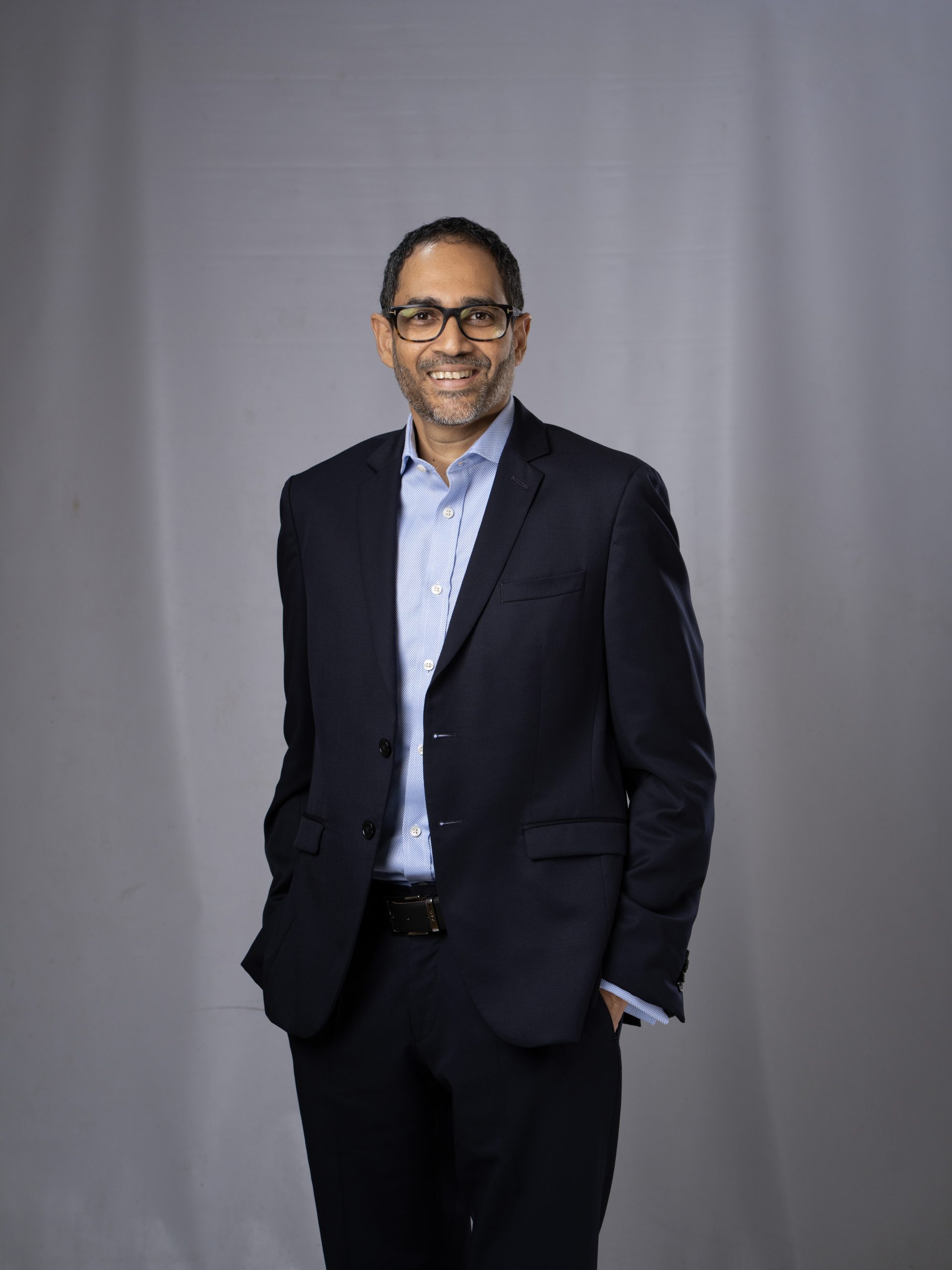
Deputy Chairperson
Group Finance Director
Q: In today’s increasingly transparent and connected world, what does it take for an organisation to earn and sustain respect?
A: It starts with authenticity, followed by consistency.
Respect is earned when actions are driven by genuine purpose and intent, and carried out consistently – whether you are being observed or not. This is reflected in how we conduct our business, deliver on commitments and create value for stakeholders. In an increasingly visible and accountable world, authenticity and consistency over time build lasting trust.
At John Keells Holdings (JKH), this is evident in our ability to consistently deliver on our commitments over the long term. For decades, we have invested, adapted and created value across diverse sectors while maintaining stakeholder trust through changing economic cycles and business environments.
But sustaining that trust requires more than performance. It is equally about how we conduct our business, communicate transparently, care for our people, engage with communities and remain responsible stewards of the resources entrusted to us.
Ultimately, consistency in our decisions, actions and the value we create builds confidence among our stakeholders and sustains respect towards the group.
Q: What principles guide your organisation in protecting its reputation during periods of uncertainty or crisis?
A: Protecting reputation starts with staying true to the principles that earned stakeholder trust in the first place. These should not change with the external environment. Reputation is built through periods of stability and uncertainty, supported by strong corporate governance, effective risk management and a culture of accountability.
During uncertainty, our priority is to
understand the facts, prioritise people and communicate clearly and honestly. While circumstances may require us to respond quickly and adapt, our actions remain guided by transparency, ethical conduct and sound judgement.
Essentially, protecting reputation means ensuring that actions taken during challenging times reinforce – rather than undermine – stakeholder confidence.
Q: Businesses are navigating geopolitical tensions and economic uncertainty… how can organisations remain respected while adapting to these external pressures?
A: Adapting without losing sight of what matters is the key to defining resilience. In periods of geopolitical and economic uncertainty, organisations must remain agile and responsive while staying disciplined in their long-term strategy and values.
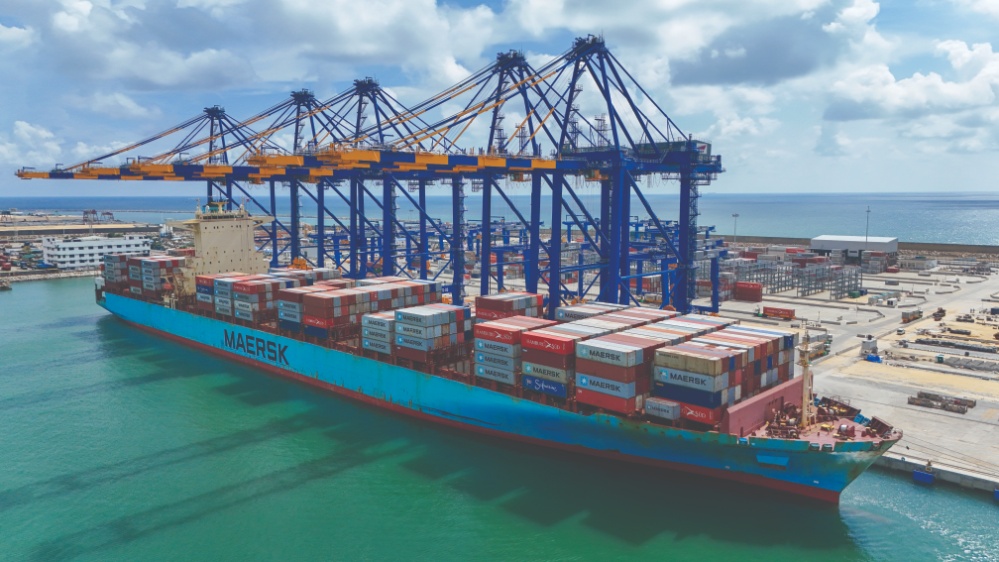
Our diversified portfolio and disciplined balance sheet management provide the financial stability to absorb external shocks while investing in opportunities that create long-term value. Projects such as the Colombo West Container Terminal (WCT-1) and City of Dreams Sri Lanka are examples of how maintaining strategic conviction through prolonged uncertainty can translate into meaningful outcomes.
Respect is reinforced when organisations adapt to change without compromising their standards, purpose or long-term priorities.
Q: In an increasingly unpredictable global economy, what role does resilience play in sustaining corporate respect?
A: Resilience reinforces disciplined decision making and financial strength – giving investors, lenders, employees and business partners confidence that an organisation can consistently deliver value through every phase of the economic cycle.
John Keells Group demonstrated this by managing its most capital-intensive phase amid volatility and uncertainty in the country between 2020 and 2024. With major projects now completed and earnings becoming broad based, we are seeing investments translate into operational performance, reflected in the Rs. 80 billion earnings before interest, taxes, depreciation and amortisation (EBITDA) recorded in the previous year.
I believe the conviction in our investments, alongside technology and advanced data analytics, has reinforced the resilience story of JKH.
Q: Consumer trust is becoming one of the most valuable business assets. How does your organisation build lasting trust with customers beyond the products and services it offers?
A: At John Keells Group, trust is earned through reliability, innovation and consistency – not only in what the business delivers but in how it conducts itself.
Innovation and consistency may seem paradoxical but understanding our customers and evolving to remain relevant is essential. Meanwhile, customers also expect reliability and a certain standard of service and product quality. This means consistently delivering or exceeding expectations while creating value that reflects their evolving needs.
Across our businesses from retail to hospitality, we focus on enhancing customer experiences, expanding choices, leveraging advanced analytics to understand customer needs, strengthening digital integration and protecting customers. As expectations evolve, trust is reinforced when organisations remain responsive, adapt their offerings and maintain high service standards.
Lasting trust is built when the customer experience and the organisation’s wider conduct consistently reflect its values.
Q: And to what extent does employee engagement influence external perceptions of corporate respect?
A: Corporate respect is built from the inside out. Employees are often the most authentic reflection of an organisation’s culture and their experience of the workplace shapes how it is perceived externally. When employees feel valued, respected and empowered, they become advocates for the organisation and its values.
Across JKH, we strive to create an inclusive environment where people feel respected and empowered to succeed. Through initiatives such as ONE JKH, we foster a workplace where individuals can contribute meaningfully, grow professionally and feel a genuine sense of belonging.
A strong organisational culture extends beyond the workplace therefore, influencing the confidence and trust of customers, partners and communities.
Q: Sustainability has become a core business priority rather than a stand-alone initiative. How do you see responsible business practices influencing corporate respect?
A: At John Keells Group, sustainability is embedded in how we create long-term value. Corporate respect will increasingly be shaped by how responsibly an organisation balances value creation today with its responsibilities to future generations.
Sustainability informs how we invest, operate and innovate across our diverse businesses – from improving energy and
resource efficiency, advancing climate resilience and responsible supply chains, to strengthening governance, developing our people and creating positive social impact through our communities.
Initiatives such as Plasticcycle and the John Keells Foundation (JKF) are part of this commitment, representing merely two examples of how sustainability is translated into action across the group.
We believe responsible business practices create stronger, more resilient organisations. They enable better decision making, drive innovation, strengthen stakeholder confidence and support long-term value creation.
Q: Beyond commercial success, what role should respected organisations play in supporting economic recovery and long-term competitiveness?
A: Respected organisations have a role that goes beyond their balance sheets. They contribute to economic recovery and long-term competitiveness by creating employment, developing talent, strengthening supply chains and investing in opportunities that unlock a country’s potential.
For the group, this is reflected in transformational projects that create value for both JKH and the wider economy. Through investments such as South Asia Gateway Terminal (SAGT), WCT-1 and City of Dreams, we leverage the nation’s strategic advantages and strengthen its position as a regional hub for trade, logistics and tourism.
These investments generate employment, stimulate economic activity and create platforms for long-term growth. And by contributing to national development and competitiveness, organisations can act as catalysts for broader economic progress and shared prosperity.
Q: Looking ahead, what do you believe will define the next generation of Sri Lanka’s most respected organisations?
A: Performance with purpose. The next generation of respected organisations will successfully combine innovation, digital transformation and financial performance with a strong sense of responsibility towards stakeholders and society.
Most importantly, they will recognise that respect is not an award or a static status. It must be earned through ethical leadership, sustainability, financial resilience and consistent value creation for stakeholders.
The organisations that sustain respect will remain focussed not only on the value they create but also how that value is created and the lasting impact it delivers.