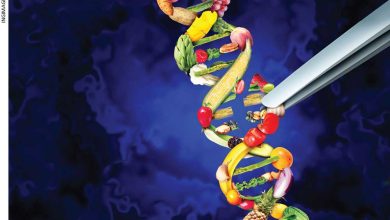
EDUCATION SECTOR
TOWARDS LESSONS LEARNED!
Janaka Perera is hopeful that the education sector will be reformed soon
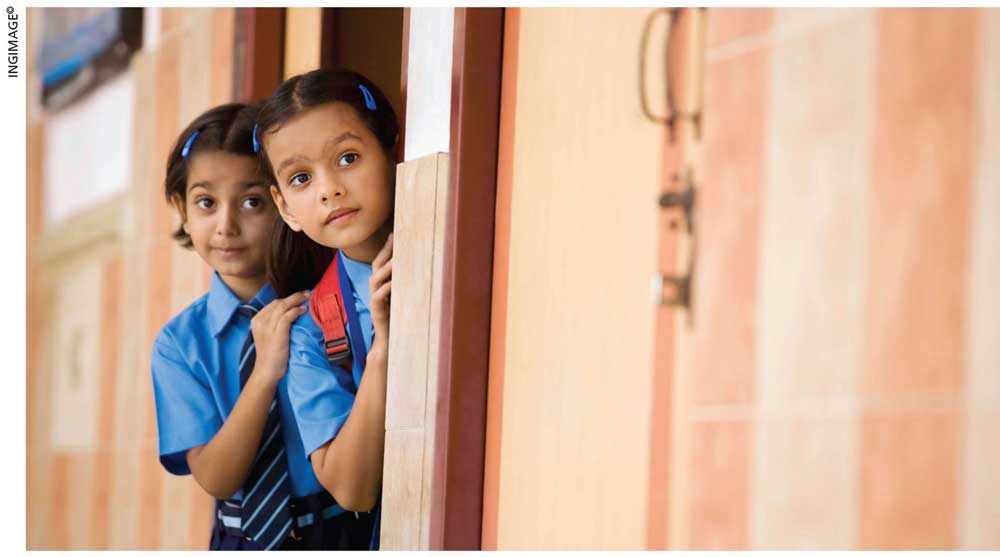
Successive governments have talked about improving education but none have succeeded. In the days of ‘Sinhala Only,’ English was neglected by Sinhala language extremists. The malaise spread to the radical (so-called revolutionary) groups among student activists (in reality, more like thugs) in the universities and their victims were often first year students – some of whom died while other freshers suffered injuries.
What Sri Lanka needs today is humane education that integrates academic excellence across the sciences, the humanities and the arts, along with social and emotional development to boot. It must build critical thinkers, foster lifelong adaptability and prepare individuals to connect interdisciplinary concepts to real-world challenges. Mere varsity or professional qualifications, technical knowledge and further academic pursuits alone won’t create good citizens.
The problem is that we have an exam centred education system. Further, some middle-class citizens suffer from a status problem. Many of them want their children to be doctors, lawyers, engineers, civil servants or university professors. This is a legacy of the British colonial period.
Even in the first post-independent years, imitating the Englishman’s accent was fashionable and the names of towns were changed to suit the coloniser.
Education expert Dr. Sujatha Gamage says that we have a narrow educational policy and adds that although governments appoint committees to address issues in the education system, nothing is truly resolved.
Education should be devoid of political meddling – except to recommend improvements. One of the chief failures of our system is that universities are creating graduates who are generally unsuitable for the private sector. Consequently, they demand that the state provides them with jobs.
Parents of many children often end up paying for tuition since most of them aren’t convinced that school education is sufficient. So it goes without saying that this country should implement a student centric education system rather than an exam focussed equivalent.
Sri Lanka can learn from Finland’s education system, which is globally renowned for its equity, trust and focus on holistic student wellbeing over rote memorisation. It guarantees completely free, publicly funded schooling from pre-primary through to higher education facilities – including free school meals, healthcare and learning materials.
There’s no standardised testing as learning is prioritised over testing. The relaxed environment emphasises cooperation, creative thinking and problem solving over competition. Teaching is a prestigious and highly competitive profession, Finnish teachers hold a master’s degree, and are afforded high levels of autonomy to craft their curriculum and teaching methods.
There are virtually no private schools, and tracking students by ability is avoided to ensure that all schools offer equal opportunities. Differences in performance between schools across the country are remarkably small. Schools have shorter days, longer breaks and minimal homework. Compulsory education lasts up to the age of 18 or until a student has graduated from upper secondary school.
Of late, our government has gradually taken steps to overcome serious shortcomings in the education system.
Vocational integration will help bridge the gap between education and the modern job market
It is rolling out a massive overhaul of the process to shift from a rigid, exam focussed structure to a flexible, student centred model. The government is implementing these ambitious changes across five core pillars: syllabus revision, human resources, infrastructure, administrative reforms and evaluation. It is implementing sweeping education reforms under its National Education Policy framework.
These initiatives focus on shifting away from a heavily exam centric model by modernising curricula, introducing continuous assessments, reducing classroom sizes and integrating vocational training at the school level.
In the meantime, vocational integration will help bridge the gap between education and the modern job market, and the reduction of class sizes will foster high quality individualised student participation.
The inequalities among schools have become a key factor leading to serious problems in the teaching and learning processes of students, the prime minister – who is also the education minister – acknowledged recently.
Dr. Harini Amarasuriya added that the competitive education system has caused stress among students in their learning process, brought pressure to bear on teachers and created problems for principals in school management, all of which stem from inequalities among these centres of learning.
Moreover, the premier expressed a determination to transform the education system from being merely an institution that registers students for examinations into a process that provides meaningful and quality learning experiences.