
DITWAH AFTERMATH
THE SILENCE IS DEAFENING
Sustained engagement with cyclone survivors is critical – Dr. Jehan Perera
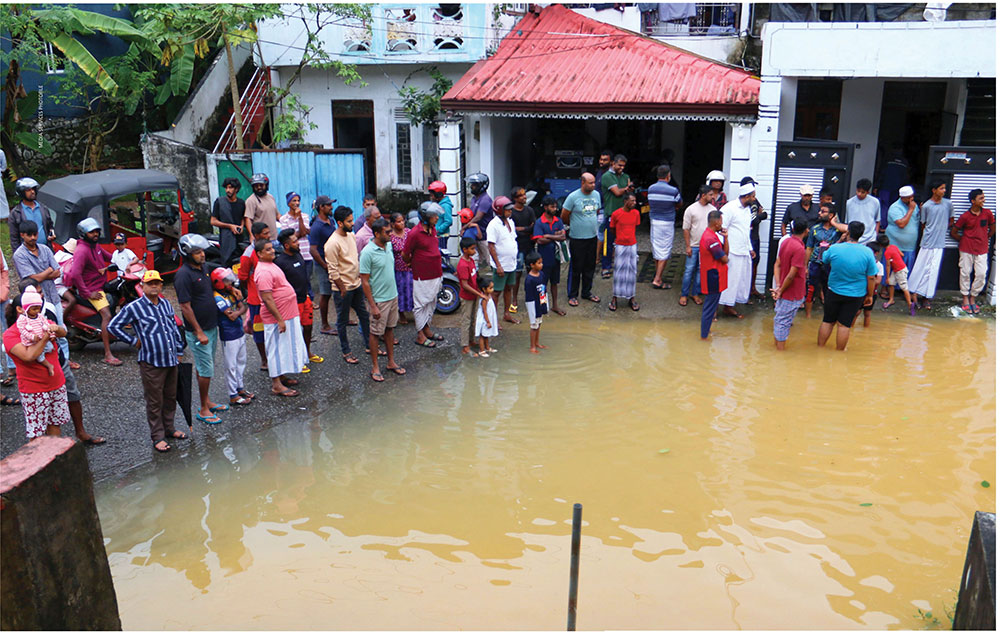
Four months after the floods, the silence is becoming more telling than the noise that followed the disaster. In the immediate aftermath of Cyclone Ditwah, there was urgency, visibility and a strong sense that the country would stand by those who had lost everything. Today, that sense is fading and as the floodwaters receded, so too has interest.
A visit to one of the worst affected areas where families from five villages gathered tells an unhappy story…
Most had received initial clean up assistance and some short-term rent support. Beyond that, progress has been minimal. Families remain in a state of uncertainty, unable to rebuild their homes or lives because the long-term process of recovery has barely begun.
Part of the problem lies within the system.
A government officer explained that the public service is highly demotivated. Many officials feel overburdened, under-resourced and underpaid. Some have even threatened to strike.
While the government’s anticorruption drive is widely supported, the removal of informal incentives has reduced the willingness of some to take the initiative – and the result is a system that moves slowly when urgency is most needed.
This is reflected in the experience of the victims.
They say that government officers aren’t proactive in reaching out to them and many feel that they have little engagement with the state. Officials don’t come to them and instead, survivors of the cyclone need to travel from office to office, often without clear guidance.
In a situation where people are already traumatised, this lack of engagement deepens frustration and erodes trust.
The difficulties are even greater for the Malaiyaha Tamil population living in line rooms on estates owned by plantation companies because they don’t own the land or the houses they inhabit. As a result, they fall outside many compensation schemes that are based on property ownership.
In addition, because they live within estate systems rather than conventional village structures, they’re less connected to government administrative networks. This makes it harder for them to access assistance and have their needs recognised. Some of the most vulnerable have thus become the most invisible.
Government policy requires families to identify land before they can receive financial assistance to build new houses. But in many affected areas, there is little freehold land available. People can’t meet this requirement and therefore, they cannot access the funds promised to them.
At the same time, many are reluctant to relocate from where they have lived for decades, even after those areas have been declared unsafe.
And as time passes, a deeper problem is emerging…
The victims are beginning to lose faith that their voices will be heeded since the attention of both government and society has shifted to other pressing issues. So what was once a national priority is now one among many competing concerns; and the sense that the system will eventually respond is weakening.
Addressing this situation requires more than administrative adjustments. It needs an act of will.
The government must make a conscious decision to prioritise the needs of the survivors of Cyclone Ditwah and honour the promises made in the aftermath of that tragedy. This means directing attention, resources and leadership towards resolving the bottlenecks that have stalled recovery.
At the same time, there’s a need to motivate the public service in legitimate ways. Special allowances for those working in disaster affected areas, recognition and career advancement for effective performance, and better logistical support should make a huge difference.
Clear targets and timelines backed by political oversight will encourage officials to act more proactively.
Partnerships with civil society organisations can also help bridge the gap between the state and affected communities. People want to be heard; they need clarity about what they should do and confidence that their efforts will lead to results.
Natural disasters don’t end when the waters recede since their consequences linger in the lives of those affected. If the voices from the flood zones continue to weaken, it will mean that both recovery efforts and justice have failed.
Ensuring dignity for survivors requires sustained engagement and a commitment to act. And the mind, which is considered the playground of the devil, shouldn’t allow hope to turn into despair.