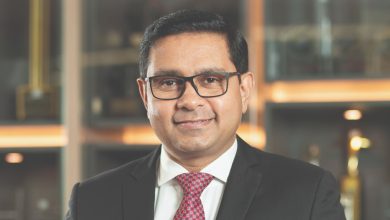

Q: In today’s increasingly transparent and connected world, what does it take for an organisation to earn and sustain respect?
A: Respect is not something that can be manufactured in a short period; it must be earned over time through consistency, authenticity, and alignment between purpose and action. In today’s hyper connected environment, stakeholders have direct visibility into how an organisation operates, treats its people and impacts society. To earn respect, an organisation must be guided by a clear sense of purpose.
For us at DIMO, that means fuelling the dreams and aspirations of the communities we serve. And sustaining that respect requires uncompromising integrity – consistently doing the right thing, even when it is difficult or costly; radical transparency – communicating openly with stakeholders, acknowledging challenges and taking accountability; and long-term value creation – prioritising sustainable growth and societal contribution over short-term gains.
When an organisation repeatedly demonstrates that its values remain firm regardless of market conditions, respect follows naturally.
Q: What principles guide your organisation in protecting its reputation during periods of uncertainty or crisis?
A: Periods of uncertainty or crisis do not create character; they reveal it. When navigating uncertainty, our approach to protecting corporate reputation relies on four fundamental principles.
The first is values as the anchor. We do not compromise on our core principles for temporary convenience. Decisions made during a crisis must align with our foundational ethos.
Secondly, proactive and transparent communication because ambiguity breeds mistrust. We prioritise timely, factual and empathetic communication with stakeholders – especially employees and customers.
People first decision making is next. Safeguarding the wellbeing and security of our DIMO tribe and partners remains crucial. How you treat them during tough times defines how our brand will be perceived for decades.
Lastly, it’s about decisive agility. We empower leaders across our business units to act swiftly, adapt operations and mitigate risks while adhering to strict governance standards.
Q: How important are ethical leadership and strong governance in maintaining long-term corporate credibility, particularly in today’s business environment?
A: Ethical leadership and strong governance are the absolute bedrocks of corporate credibility. Governance should never be viewed as a mere compliance exercise or a tick box activity; it is a strategic enabler of long-term value creation.
Today’s business environment is marked by heightened scrutiny. In such a scenario, ethical leadership sets the operational tone for the entire group. It creates an internal culture where compliance, fairness and accountability are second nature.
Robust governance frameworks ensure that risk management is embedded into everyday strategic decision making; that environmental, social and corporate governance (ESG) commitments are institutionalised; and that minority stakeholders and partner rights are protected.
Credibility is built over decades and can be lost in an instant. A relentless commitment to ethical leadership ensures that growth is never achieved at the expense of corporate integrity.
Q: In an increasingly unpredictable global economy, what role does resilience play in sustaining corporate respect?
A: True corporate resilience goes beyond merely surviving a crisis; it is the ability to anticipate disruption, adapt dynamically and emerge stronger without sacrificing operational excellence or corporate identity. Stakeholders respect organisations that serve as reliable anchors during volatile times.
Resilience sustains corporate respect through three distinct mechanisms. The first is business continuity. Demonstrating operational strength ensures that stakeholders can depend on the organisation even during tough times. Next is strategic diversification. Maintaining a balanced portfolio across multiple sectors enables the company to absorb macroeconomic shocks.
Finally, it is constructive innovation.
Resilient organisations leverage economic downturns as catalysts to reengineer processes, adopt digital solutions and upskill their workforces.
When a company consistently demonstrates stability and vision throughout economic cycles, it earns the deep trust and respect of investors, financial institutions and the wider market.
Q: Consumer trust is becoming one of the most valuable business assets. How does your organisation build lasting trust with customers beyond the products and services it offers?
A: Trust goes well beyond delivering a product or service; it is built on the totality of the customer experience, absolute integrity and the values the brand represents. We cultivate lasting trust beyond our core offerings through several key commitments.
The first is transparency and integrity in communications. We prioritise open, honest and transparent dealings at every touchpoint. By communicating with complete clarity and never overpromising on our capabilities or timelines, we ensure our customers can make informed decisions with total confidence.
Next is lifetime relationship management. We do not view interactions as single transactions but the foundation of a lifelong partnership. Through dependable, ongoing engagement and dedicated support across the customer journey, we ensure our clients feel valued long after the initial deal is closed.
Thereafter, it’s 24/7 customer support and service. True reliability means being there when customers need us most. Our 24/7 365 infrastructure guarantees immediate responsiveness, operational continuity and peace of mind at any hour.
Lastly, it’s world-class solutions without compromise. We are committed to delivering world-class solutions and premium service standards. Crucially, we never compromise on quality or safety to take shortcuts, ensuring that every solution we deliver meets the highest global standards.
Trust is earned when customers know that your organisation operates with unyielding integrity, stands behind its word and remains dedicated to its long-term success.
Q: To what extent does employee engagement influence external perceptions of corporate respect?
A: There is a direct, unbreakable link between internal employee engagement and external corporate reputation.
Employees are an organisation’s most credible brand ambassadors. The market perceives a company through the lived experiences of its workforce.
When employees are genuinely engaged, empowered and proud of where they work, the customer experience elevates as highly engaged teams deliver superior service, pay closer attention to detail and display greater empathy toward client needs.
It also results in authentic brand advocacy, as in the digital age organic advocacy from employees on professional networks carries far more weight than formal corporate messaging.
Another positive outcome is talent magnetism. A strong, positive internal culture attracts top-tier talent, which continuously strengthens organisational capabilities and market standing.
Building an inclusive, inspiring workplace where people feel valued directly translates into external respect, commercial capability and sustained brand equity.