HYBRID BEAUTY
Wish you were here
Seoul’s vibrant legacy
Sandip Hor visits South Korea’s capital to savour its exotic past and thriving present
Seoul, whose history stretches back more than 2,000 years, became the capital of Korea in 1394 when General Yi Syeong-gye (later, King Taejo) founded the Joseon Dynasty and carefully developed it according to Confucian principles.
During this period, many of the city’s best known landmarks were established and some still exist. However, many were destroyed in the 16th century due to Japanese invasions and subsequent colonial rule from 1910 to 1945.
Seoul suffered more destruction during the Korean War (1950-1953); and when the conflict ended in an armistice, the city continued as the capital in the newly formed South Korea. The following decades saw one of the world’s most remarkable economic transformations that turned the emerging global hub into a vital centre for technology, finance, education and culture.
Today, Seoul is a vibrant metropolis where ancient palaces, Buddhist temples and traditional villages stand alongside cutting-edge architecture, high-speed transport and state-of-the-art technology.
Ongoing restoration projects have carefully preserved many of the city’s historic treasures that allow visitors to experience Korea’s royal heritage and its modern achievements in one dynamic destination.
WHERE TO STAY Striking a refreshing balance between contemporary luxury and relaxed comfort is the ‘voco’ Seoul Myeongdong. As this stylish 576 room hotel is conveniently located, exploring the city is remarkably effortless. Airport transfers are equally convenient with limousine buses stopping right opposite the hotel.
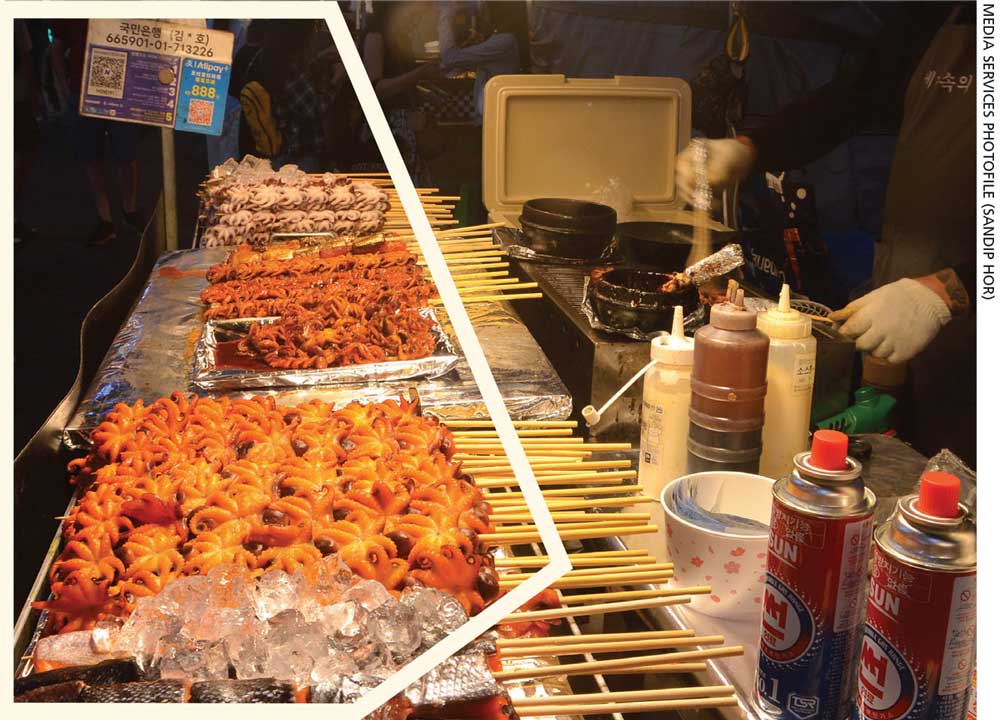
WHAT TO EAT In Seoul, the food culture truly shines through street food markets and historical local specialities. While standard Korean staples such as bulgogi, galbi and bibimbap are available everywhere, specific areas such as the Gwangjang Market elevate these meals into absolute culinary delicacies like thin-skinned pork dumplings and moong bean pancakes.
WHERE TO SHOP While there are several mega malls and trendy stores for retail therapy, shopping at the glittering Myeongdong night market is a rewarding experience.
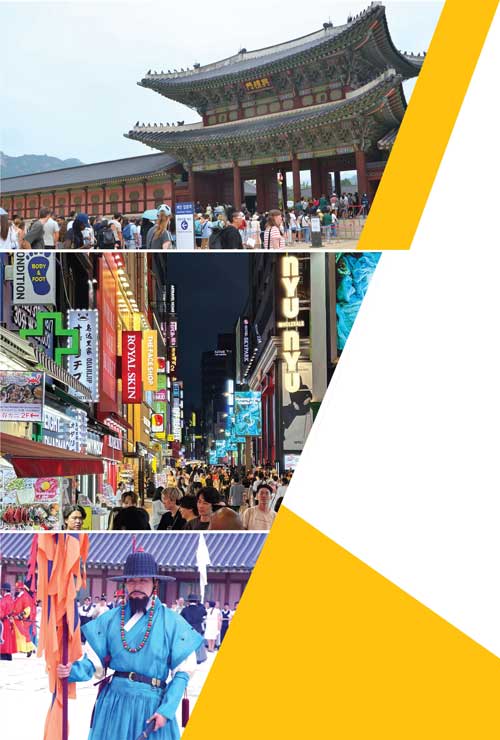
WHERE TO GO At the heart of Seoul’s historical identity are its magnificent royal palaces. There are five in sum and the most impressive is the Gyeongbokgung Palace with its sweeping courtyards, elegant pavilions and imposing gates that transport visitors back more than 600 years.
Watching the colourful royal guard changing ceremony at the Gyeongbokgung Palace adds a sense of pageantry to the experience while the surrounding gardens provide peaceful spaces away from the city’s energy.
The Changdeokgung Palace offers a different atmosphere. Designated as a UNESCO World Heritage Site, it is celebrated for its harmonious relationship with nature – particularly its secret garden where tree lined paths, lotus ponds and traditional pavilions reveal the refined tastes of Korea’s royal court.
Not far away is the Bukchon Hanok Village, which is one of Seoul’s most enchanting neighbourhoods. Its narrow lanes wind between hundreds of beautifully preserved traditional Korean houses with graceful tiled roofs and wooden beams. Wandering down these quiet streets offers a rare opportunity to experience a city that’s changed little over generations with every corner providing photo worthy views.
Equally fascinating is Ikseon-dong where heritage architecture has found a contemporary purpose. Restored traditional homes have been transformed into stylish coffee shops, boutique stores and innovative restaurants.
The past comes alive at the Seoul Museum of History, which traces the city’s remarkable transformation from a walled royal capital into one of the world’s leading international cities.
And the National Museum of Korea presents an impressive display of everything from ancient pottery and Buddhist sculptures, to royal treasures and calligraphy.
And as evening falls, Seoul reveals another side…
Palace walls are softly illuminated, old courtyards glow beneath lantern lights and rooftop bars offer panoramic views across an endless sea of city lights. The contrast is unforgettable as centuries old architecture stands proudly against one of the world’s most technologically advanced skylines.
Today, Seoul is a vibrant metropolis where ancient palaces, Buddhist temples and traditional villages stand alongside cutting-edge architecture, high-speed transport and state-of-the-art technology