STATE OF THE NATION
VIEWPOINTS
STABLE FOR NOW BUT NO SYSTEMIC CHANGE?
Wijith DeChickera notes a subtle transformation from crisis conditions to a fragile recovery that has some distance to go in the years ahead
Two years into the government’s second term, Sri Lanka is no longer in crisis. Macroeconomic stabilisation has been notable. Growth is returning; inflation remains somewhat contained; fiscal revenues have improved and foreign reserves risen; and debt restructuring is nearly complete, substantially reducing near-term sovereign risks.
And the IMF projects growth above five percent in the medium term if reforms continue.
The economy has rebounded strongly from its 2022 collapse. International Monetary Fund assessments in mid-2026 reported strengthening growth, low inflation, improving revenue collection and reserve accumulation with official reserves around US$ 6.5 billion (roughly four months of import cover).
Yet, the recovery remains fragile.
Public debt is still exceptionally high, interest payments consume a large share of government revenue and the economy remains vulnerable to external shocks – especially higher energy prices and possible tariff barriers affecting apparel exports, which employ hundreds of thousands of workers.
A more difficult phase begins now: converting stabilisation into durable, investment led and socially inclusive growth. So the government should preserve fiscal discipline and anticorruption reforms but pivot towards export competitiveness, public sector restructuring and human capital renewal.
The central challenge is not stabilisation but raising Sri Lanka’s trending growth rate from the historical range of between three to four percent to at least six.
Be that as it may, the exchange rate has stabilised, following depreciation earlier in the year, shortages have disappeared and policy predictability is better than during the crisis years.
However, private investment remains below levels needed to generate sufficient jobs and foreign exchange. Investors continue to cite delays in land approvals, overlapping regulatory agencies, inconsistent tax administration and slow contract enforcement.
The government has been right to avoid populist reversals of the IMF framework. Now it should move beyond stabilisation and launch a second generation competitiveness agenda.
Such a programme should include a single window investment approval system; time bound environmental and land clearances; digitalised customs and port procedures; and a transparent framework for public-private partnerships (PPP).
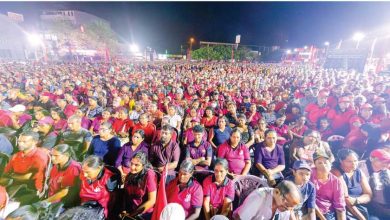
This regime retains a commanding parliamentary position and controls a majority of local authorities following the 2025 local government elections, though its vote share declined from the 2024 parliamentary peak. The message from those voters was not rejection but pressure to deliver tangible improvements in living standards.
This government deserves credit for strengthening revenue administration and pursuing anticorruption investigations. Such efforts have helped restore a measure of public trust.
However, governance reform has not yet translated into a visibly more efficient state. Public enterprises continue to impose fiscal risks, procurement remains cumbersome and many ministries still operate with outdated administrative structures.
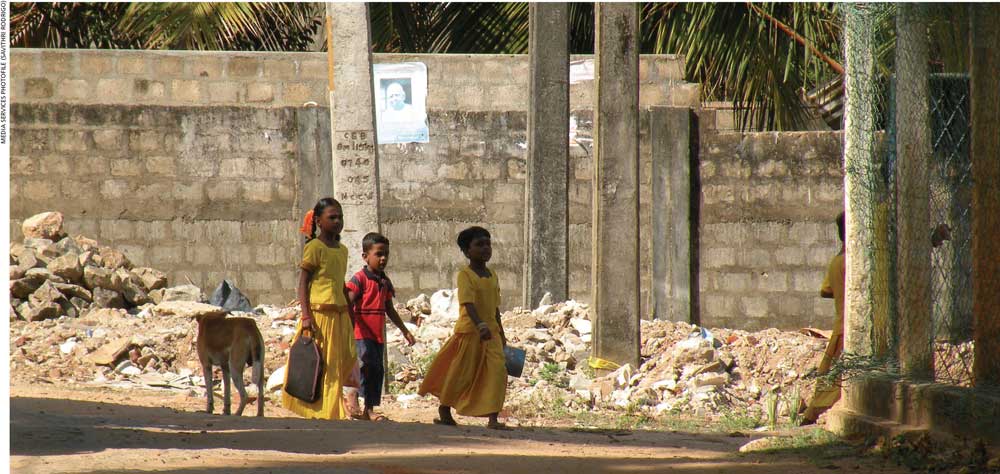
The recovery has not reached everyone: inflation has fallen dramatically from crisis levels but household incomes have not fully recovered. Poverty and vulnerability remain elevated, particularly among informal workers, estate communities and urban low income households. Emigration of skilled professionals continues, weakening the country’s long-term productive capacity.
A strategy focussed solely on fiscal targets risks eroding the political consensus for reform – so social protection should become more targeted rather than more expansive. The government should prioritise nutrition, primary healthcare, school retention and digital access for poorer households while avoiding untargeted subsidies.
A sectoral assessment shows a mixed bag…
Tourism recovered strongly and now needs to focus on higher value travel and environmental management. Apparel is competitive but remains exposed to external trade shocks, and must diversify into technical textiles and regional value chains. In agriculture, productivity remains low – so a shift from input subsidies towards irrigation, extension services and market access is indicated.
The state must continue cost reflective pricing for the nation’s power needs and renewable energy procurement, while accelerating grid modernisation and storage investment. In terms of the digital economy, there is vast untapped potential in IT services, fintech and business process outsourcing (BPO).
So if anyone’s recommending a new policy direction, the savvy may well say ‘more of the same’ rather than ‘strategic course change.’
With that said, the government should continue and consolidate fiscal discipline and revenue mobilisation; safeguard the Central Bank’s independence and focus on inflation targeting; prosecute anticorruption enforcement with vigour; and introduce more practical asset declaration systems.
Meanwhile, a strategic change may be on the cards…
Our socialist regime might rebalance from austerity led stabilisation to growth oriented public investment in ports, logistics, power networks and digital infrastructure. And it would be nice to see the government replace ad hoc industrial incentives with rules based export strategies linked to performance.
The government could also accelerate restructuring or partial divestment of major state-owned enterprises (SOEs); introduce civil service reform with performance management and digital service delivery; and create a national talent retention programme for engineers, doctors, researchers and technology professionals.
This year, Sri Lanka is a country that stepped back from the precipice but has not yet found a new growth model. The government achieved the harder political task of maintaining the reform momentum after winning power on a platform of change.
Its next test is economic: whether it can convert macroeconomic stability into productive investment, export expansion and rising real incomes.