TECH TRENDS
Technology was once solid or tangible: a huge computer on your desk, laptops with large screens and oversize mobile phones that couldn’t slip into your pocket.
THE RISE OF INVISIBLE TECH
Manilka Ediriweera explains why the use of technology calls for restraint
But the days when tech was visible and could be held in our hands have changed drastically. We’re already surrounded by slimmer, slicker and faster technology. Think of foldable devices, screens stretching to the edges, faster computers and a panoply of wearables.
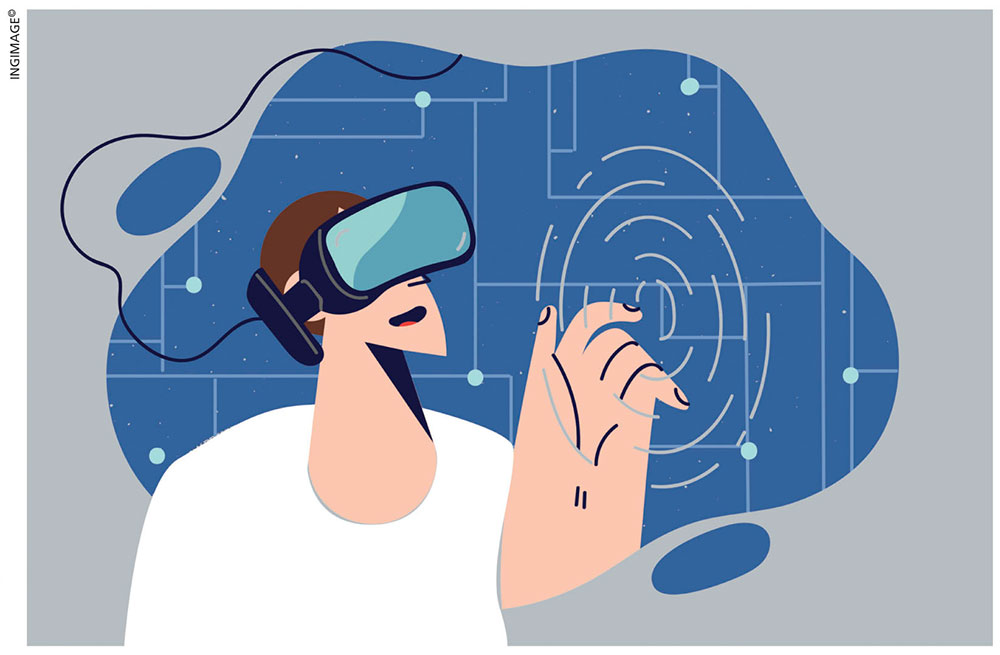
Now there’s another trend that pushes such high tech even further into the background – i.e invisible technology. It doesn’t demand attention and blends seamlessly into your environment, so much so that you barely notice it’s there!
Genius or scary?
Perhaps both – but it depends on who you ask.
Technology needed to be obvious at one time but after dispensing with glowing screens and larger devices, today’s expectations have changed. People are tired of constant alerts, endless notifications and the pressure of always being switched on. What we crave now are interactions that could be smoother, more intuitive and almost invisible.
From AI making decisions in seconds to cloud platforms that store data, tech is being woven into the very structure of our routines. And this shift isn’t simply transforming business and industries; it is reshaping how we move through our daily lives.
Artificial intelligence is one of the best examples of technology operating out of sight. While chatbots and virtual assistants are what we most associate with AI, its presence extends much farther. It’s like the unseen hand curating our feeds, predicting our purchasing patterns and improving systems through continuous learning.
Cloud computing is yet another quiet form of tech reshaping the digital world. The days of bulky hard drives have been replaced by an online ecosystem that allows us to access, share and process large amounts of information from virtually anywhere in the world.
The cloud is so invisible that sometimes you tend to stop and wonder where your files are stored. Each time your phone backs up overnight, the cloud works to keep your data safe and readily available.
Then there’s augmented reality (AR)…
Imagine stepping into a shop and seeing prices, product specs and customer reviews before you. That’s where the next wave of AR is expected to take us. No devices, glasses or extra layers: it’s about attempting to display information in ways that feel organic and part of our everyday surroundings.
The seeds of invisible tech are already with us. Think about smart homes powered by voice assistants that eliminate the need for rows of switches or wearable health and fitness trackers that quietly monitor your body’s vital signs in the background.
Examples include wearable glasses that present information without diverting your attention to a separate screen, tap and go cards, frictionless checkout systems and face or fingerprint scans.
This quiet transformation is also unfolding in hospitals, manufacturing lines and workplaces. Across all industries, sectors and aspects of life, a clear pattern of invisible tech is evolving.
And the implications of this are widespread…
It comes with the promise of making life easier and reclaiming attention. Such tech lures us with the possibility of reclaiming focus, simplifying routines and enabling us to focus on what truly matters.
It’s about a world where technology blends into our surroundings as a result of being built into our homes, environments and routines. The most advanced of these technologies will be those that you rarely think about.
But with this promise, certain concerns that we can’t simply ignore also arise…
What happens when these systems blend so seamlessly into the background that we stop noticing them? How much privacy or data are we unconsciously trading for convenience? And is our data safe and secure?
The less visible technology becomes, the more trust we hand over without even realising it. Then it becomes harder for us to keep an eye on how it works. Eventually, we may even forget about those devices that are quietly tracking, storing and processing our activities.
If a device can quietly track your health, it raises the question about what else it might be tracking or could track.
While invisible tech can be empowering by enhancing life without demanding action or attention on our part, it also carries a risk. It’s the danger of making us unaware of the forces that are influencing our habits, perceptions and decisions.
This is why it’s important to allow technology to be present without becoming too intrusive and invisible.
That shift doesn’t signal the end of screens; but they will no longer dominate every interaction. The future isn’t about owning the latest device but not needing one for each and every task.
The seeds of invisible tech are already with us