NEW FRONTIERS
I SPY IN PARISA French university is offering a rare look into a field usually defined by secrecy. At Sciences Po in Paris, a postgraduate course that focusses on intelligence and global threats is drawing students interested in security, diplomacy and strategic analysis, alongside professionals already working in sensitive roles.
The programme examines how modern intelligence services function by moving away from the popular myths of espionage and covert glamour. Students analyse terrorism, organised crime, cyber threats, economic warfare and disinformation, while also exploring the ethical and legal boundaries of surveillance in democratic societies.
Academics and former intelligence officials teach these courses, which are grounded in real world case studies and policy debates. Unlike operational training provided by security agencies, the course is purely academic in structure and assessment. And evaluation is based on essays, research projects and presentations rather than practical fieldwork.
The curriculum covers human intelligence and open-source analysis, and examines how agencies balance secrecy with accountability. Students explore historical intelligence failures and successes, by studying how information is gathered, verified and presented to policymakers under pressure.
As security challenges grow more complex and information driven, universities are increasingly expected to prepare graduates who can interpret risk, context and intent, instead of data gathering alone.
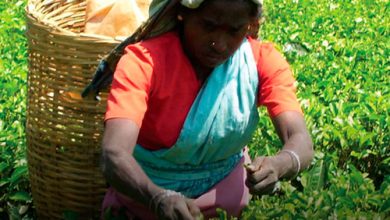
OUT OF THE BLUE Across India, farmers are turning to the butterfly pea flower to supplement their incomes. Long used in home gardens and traditional remedies, the vivid blue bloom is now being cultivated commercially for tea, natural dyes and cosmetic products.
Growers say the plant requires relatively little water, grows quickly and can be harvested several times a month. The dried flowers are sold to processors or used directly to produce blue tea, which has gained popularity for its striking colour and social media appeal. And the flowers are also being explored for use in skincare products where natural pigments are increasingly valued.
For small-scale farmers, butterfly pea flowers offer a way to diversify income without replacing staple crops. However, establishing consistent supply chains remains a challenge for farmers in remote areas with limited market access.
Yet, many see the crop as part of a wider shift towards value added farming. By combining traditional plants with modern markets, farmers are finding new ways to remain financially resilient amid climate pressures and changing consumer preferences.
SWEET NOVELTIES Freeze-dried sweets are rapidly gaining popularity by transforming familiar confectionery items into crunchy bright novelties. Once limited to specialist sellers, these products are now appearing in mainstream shops as demand grows, particularly among younger consumers.
The process involves removing moisture from sweets at extremely low temperatures and altering texture while intensifying flavour.
Chewy candies become light and brittle to create a sensory experience that has proved popular online. Videos of the transformation process have attracted millions of views, and driven curiosity and purchases.
Manufacturers say the trend reflects changing snacking habits with consumers increasingly being drawn to novelty and visual appeal. Retailers have expanded their ranges to include freeze-dried versions of well-known brands alongside traditional options. Some producers are experimenting with freeze-dried fruits as well, to expand the categories.
The technology isn’t new; it’s been used for decades in food preservation and space travel.
What has changed is consumer awareness and the willingness to pay premium prices for novel textures. Small businesses have capitalised on this by often selling on social media platforms and pop-up markets.
STEMS THE TIDEA Ghanaian tech startup is drawing attention for its efforts to expand access to practical science education across Africa. The company designs low-cost STEM kits that can help students learn through hands-on experimentation.
As the kits are designed to work without reliable internet access or advanced infrastructure, they’re suitable for under resourced schools. Students use them to explore electronics, robotics and basic engineering concepts, by developing problem solving skills through trial and error. Each kit includes materials, instructions and suggested projects that align with national curricula.
Educators say the approach helps build confidence and curiosity – particularly in communities where science, technology, engineering and mathematics (STEM) subjects are often taught only in theory.
Supporters say that practical learning is essential for preparing young people for technology driven economies. And schools report increased student engagement and improved performance in science subjects after introducing the kits.
The startup has partnered with governments and nonprofit organisations to distribute these kits across several African countries. Feedback from teachers is used to refine designs, and ensure that materials remain affordable and culturally relevant.