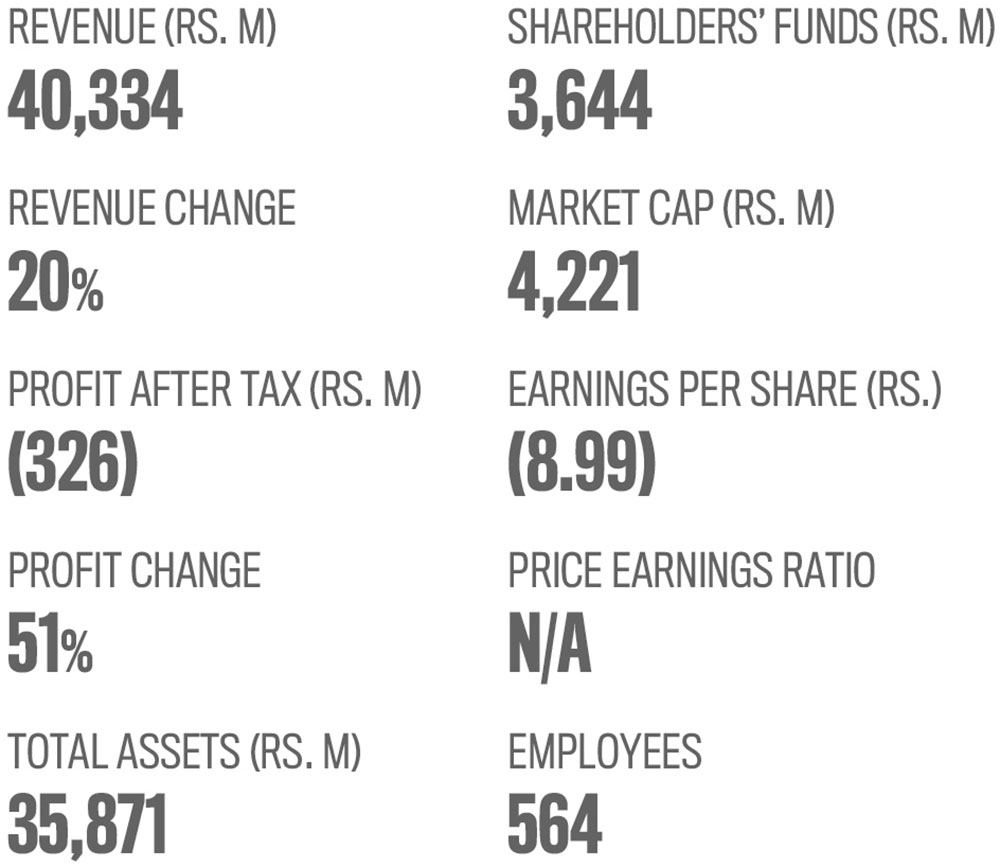
LANKEM CEYLON
RANK 47
“Rising investor confidence has translated into growth across macro infrastructure, tourism related and real estate projects”
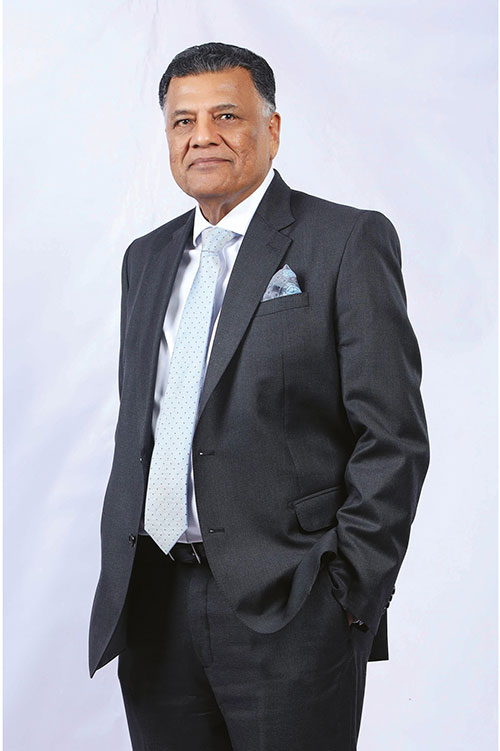
Chairman
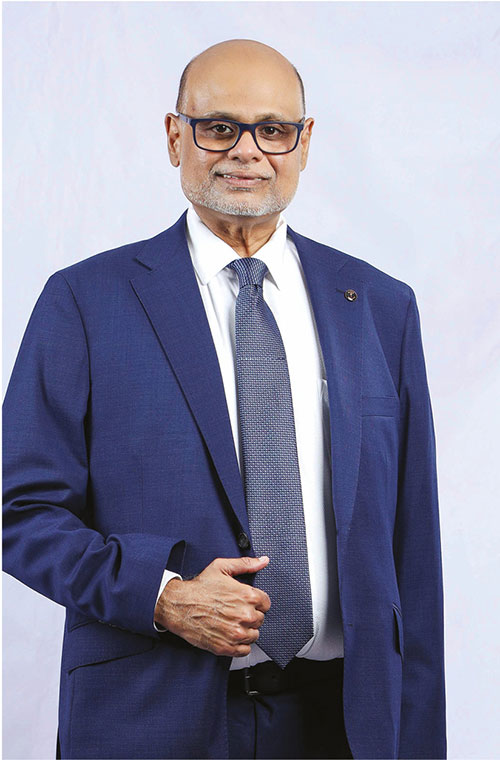
Managing Director
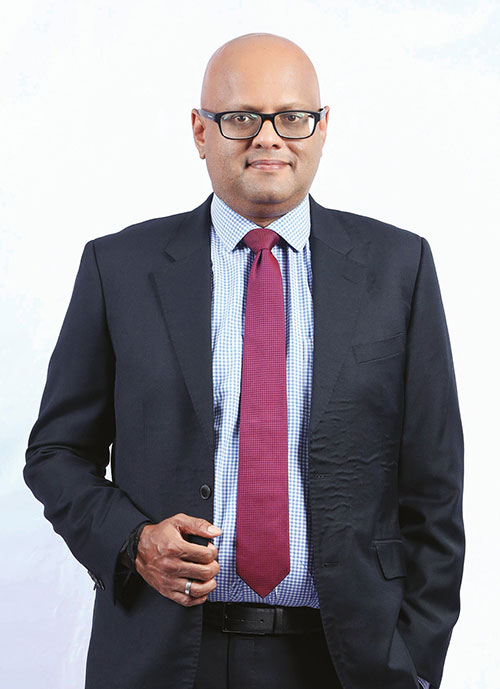
Executive Director
Q: What are the key achievements of the Lankem Group in financial year 2024/25?
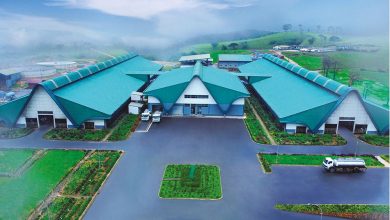
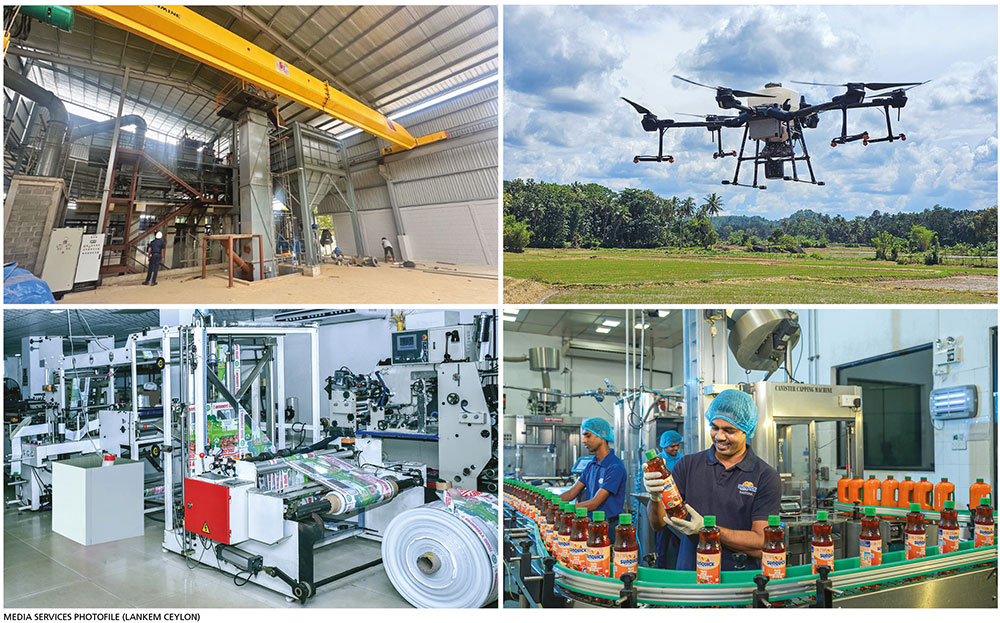
A: The most notable achievement during the last financial year was the establishment of a fertiliser plant in Oyamaduwa, Anuradhapura, with an investment of Rs. 2.5 billion. The newly incorporated Lankem Minerals, a fully owned subsidiary of Lankem Ceylon, manages the plant which caters to the agricultural needs of non-perennial crops. Commercial operations are expected to commence by financial year-end of 2025/26.
Major strategic initiatives defined the group’s consumer business. A dedicated distribution channel for food and beverage products was established following a route optimisation study while logistics infrastructure expanded by over 80,000 square feet.
Meanwhile, plans are underway to implement a warehouse management system (WMS) to automate core inventory functions.
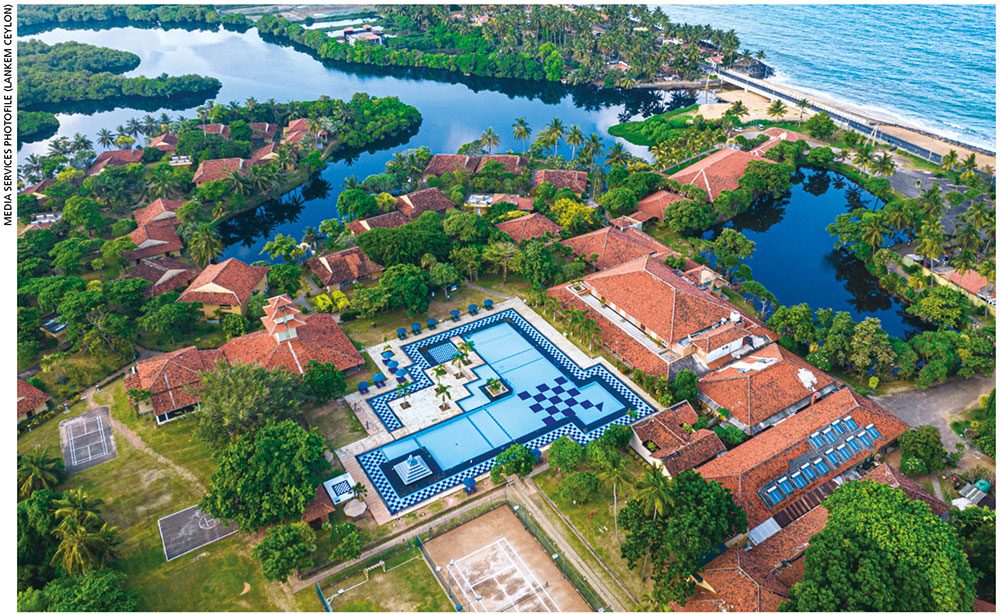
With Sri Lanka positioned as a preferred global destination and tourist arrivals reaching record levels, our hotel business recorded higher occupancy and improved yield management, reflected in increased revenue per available room (RevPAR).
Several hotels received capital infusions and refurbishments with resulting property upgrades that are expected to drive further growth in the coming years.
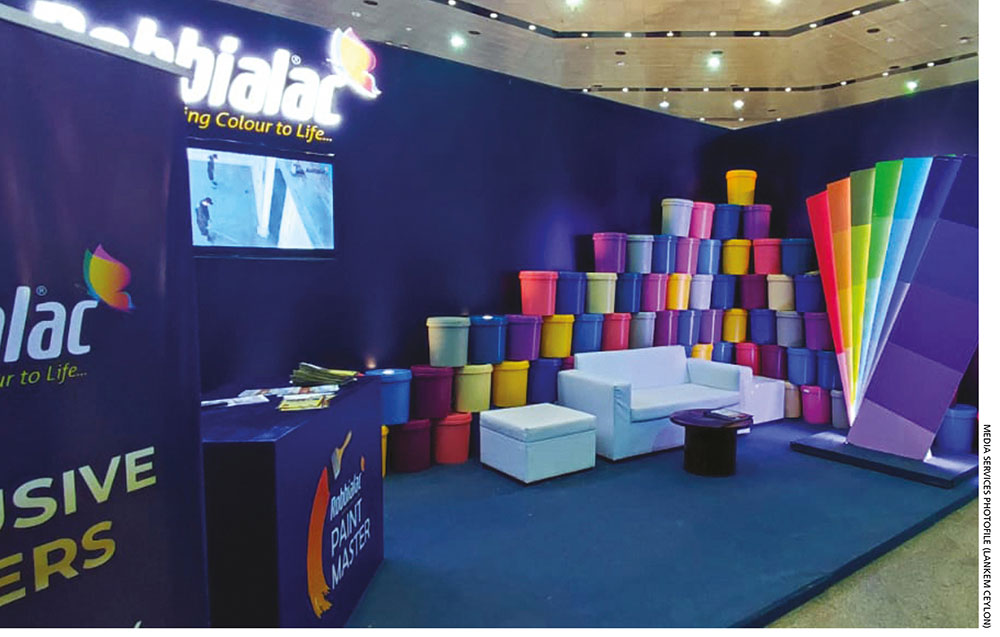
Our flagship brand Robbialac expanded strongly in its e-commerce channel, introducing a call and order facility, 24 hour delivery, card promotions with easy payment plans and online dealer support portals. This has enhanced Lankem’s digital transformation goals while improving customer convenience, accessibility and back end efficiency.
With the strong momentum in construction projects, supported by growth in the supply and apply markets, our paints operations achieved a robust growth trajectory. Several new distributor partnerships were signed to further accelerate this progress.
In our agrochemicals business, product innovation took center stage. Hybrid chilli seeds were cultivated under controlled conditions, supported by precision agriculture pilots using drones. Our fertiliser business resumed full operations, optimising comprehensive crop inputs.
In our packaging cluster, the strategic acquisition of a paper packaging business was completed during the year, expanding our product portfolio and entry into sustainable packaging. To further scale operations, an IPO is being carried out for one of our packaging subsidiaries.
Q: As Sri Lanka continues to pursue economic and political stability, how is the corporate sector driving growth while overcoming challenges that persist on many fronts?
A: With Sri Lanka’s economy heavily dependent on imports and exports, global business and geopolitical dynamics have a direct and often outsized impact on local enterprises. This is compounded by the nation’s reliance on tourism, remittances and foreign direct investment (FDI).
Trade dynamics, supply chain disruptions, the war in Ukraine and China’s slow post-COVID 19 recovery affected raw material, fuel, agrochemical, machinery and logistics costs.
Despite being vulnerable to geopolitical shocks, health crises and aviation trends, tourism has experienced an exceptional resurgence. The industry’s focussed marketing efforts and strong destination branding have positioned Sri Lanka among the world’s top travel destinations.
Given that the IMF, World Bank and Asian Development Bank (ADB) are shaping economic reforms and fiscal frameworks, infrastructure development has gained renewed momentum alongside strengthened governance mechanisms.
Rising investor confidence has translated into growth across macro infrastructure, tourism related and real estate projects.
The private sector remains at the forefront of this recovery – driving innovation, improving cost efficiencies and expanding business portfolios to navigate evolving market challenges.
Q: What are the Lankem Group’s goals and objectives for financial year 2025/26?
A: The group is focussing on strategic investments to diversify its portfolio of products and services. In addition, expansion of current business segments would also be pursued to improve profitability.
Key capital investments including the newly commissioned single super phosphate (SSP) fertiliser plant, scheduled to begin commercial operations by end of the third quarter of 2025/26 in time for the Yala season, are expected to strengthen both top and bottom line performances.
Refurbishments in the hotels sector, aligned with anticipated high demand, position it as one of the group’s strongest performing segments going forward. Further plans are underway to expand the group’s hotel portfolio in the upcoming year.
Factory upgrades including process automations have been planned to scale up operations to bring about greater economies of scale. We have also relooked at our distributor network across the board. These strategies include partnering with financially stronger distributors and divesting underperforming distributorships.
Q: How is the Lankem Group faring against the backdrop of the prevailing macroeconomic milieu?
A: Signs of economic stabilisation are visible; and through intense negotiations with our suppliers, we managed to mitigate the impact of rising costs.
However, the cascading effects of the economic crisis have eroded consumer purchasing power, a trend evident across the paints and coatings sector. In response to these challenges, we introduced a range of second tier paints to offer consumers more affordable options while retaining brand loyalty.
Benefiting from the lower interest rate regime, long-term borrowings were restructured, paving the way for increased strategic investments.
Nonetheless, the unpredictable environment – driven by shifting tax policies, evolving regulatory frameworks, continuing import restrictions, and mandatory wage hikes for plantation and casual workers – has added cost pressures, negatively affecting the group’s operational expenses.
“Our focus is on diversifying investments through a twofold approach: expanding the group’s presence across multiple industries and sectors to balance risk and reward while building long-term sustainable growth”
Q: What trends do you observe in diverse business sectors and industries, and how have you optimised them?
A: As a group, we continue to pursue initiatives that substantially reduce our carbon footprint given that the industries and sectors we operate in have traditionally had extensive environmental impacts.
Customer mindsets are driving innovation with product offerings evolving on a platform of sustainability.
The growing demand for biodegradable, eco-friendly and less toxic formulations led to the introduction of Carbano under the Robbialac brand – a water based, 30 percent lower emission paint packaged in Sri Lanka’s first biodegradable bucket.
The industrial chemical sector remains highly regulated with domestic policies and global benchmarks emphasising environmental safety, green labelling and certifications.
With the rise in construction and decorative projects, demand for decorative and architectural paints has grown markedly.
The group’s industrial business arm is implementing expansion plans to meet this surge – driven by urbanisation, renovation and the influx of residential, hotel and commercial developments.
We are also working to elevate our brand image and foster greater awareness among stakeholders.
Having faced instability and disruption from policy shifts and bans in the agrochemicals sector, we have strategically diversified operations to cushion potential negative impacts from such drastic policy decision changes.
The sudden ban on polyethylene terephthalate (PET) and polyvinyl chloride (PVC) packaging exemplifies such policy changes. With the existing stock, we are currently revamping disposal plans to minimise both quantitative and qualitative impact.
Q: Could you outline the Lankem Group’s plans – especially with regards to expansion?
A: A key focus will be the successful rollout of our single super phosphate fertiliser business, which is expected to be a major contributor to revenue and profitability, almost doubling current turnover levels. This operation holds national importance for the agriculture sector and will help reduce foreign currency outflows from triple super phosphate (TSP) imports.
We also plan to introduce technological systems and processes to improve efficiencies and reduce operational overheads in both the paints and agrochemicals manufacturing plants.
Several strategic investments are being pursued over the next two years. For instance, we are investing in backward integration to strengthen cost control, quality assurance and supply chain management for competitive advantage. Our focus is on diversifying investments through a twofold approach: expanding the group’s presence across multiple industries and sectors to balance risk and reward while building long-term sustainable growth.
Telephone 7766000 | Email info@lankem.lk | Website www.lankem.lk