LANKA MILK FOODS
RANK 68
“We have endured setbacks but our ability to adapt, persevere and regroup has carried us through”

Group Chief Executive Officer
Q: As Sri Lanka continues to pursue economic and political stability, how is the corporate sector driving growth while overcoming challenges that persist on many fronts?
A: Challenges are part and parcel of any corporate journey, whether in Sri Lanka or anywhere else in the world. The key lies in how we respond to them. That’s where visionary leadership becomes essential – leaders who look ahead, set clear goals, and establish the right systems and strategies to remain focussed, regardless of what challenges may arise.
As a nation, Sri Lanka has faced its fair share of adversity from the global coronavirus pandemic to one of the worst economic crises in our history. Despite these hurdles, we continue to move forward. Time and again, we have proven our resilience. We have endured setbacks but our ability to adapt, persevere and regroup has carried us through.
Overcoming adversity requires more than just experience or strategy – it demands proactive leadership and a determined, agile mindset. We cannot afford to sit still; we must stay alert, adapt quickly and lead with intention. That’s how lasting progress is made.
Q: How can Sri Lanka improve its ease of doing business and competitiveness on the international stage, in your opinion?
A: One key area where Sri Lanka’s dairy sector can improve is competitiveness in pricing. Our prices remain notably higher than those of major global players, making it difficult to compete – particularly in export markets. Pricing is a critical area that requires urgent attention.
A major contributing factor is the cost of raw materials. Since most inputs are imported, production costs stay high. Moving towards greater self-sufficiency by sourcing more raw materials locally could reduce production costs and enable more competitive pricing internationally.
At present, we export to the Maldives where our Daily brand is ranked as one of the strongest players in the flavoured milk category. Despite this success however, exporting fresh milk remains unviable due to our high price point. With affordable products available globally, we struggle to compete effectively due to price competitiveness.

Q: What trends do you observe in your sector – and what have you done as a business to optimise on some of these?
A: Over the past two years of overseeing the company, we have observed a notable surge in demand for fresh milk. The category has been growing at double digits, reflecting a clear shift in consumer preferences, particularly after the COVID-19 pandemic. During that period, the scarcity of imported milk powder led to a sharp rise in demand for locally produced fresh milk.
We believe this trend is here to stay. In other developing nations such as India, Nepal and Bangladesh, fresh milk dominates the dairy market, accounting for nearly 90 percent of fresh milk consumption and minimal use of milk powder.
This highlights the untapped potential in Sri Lanka’s fresh milk segment. More importantly, we’re witnessing a growing number of consumers consciously switching from powder to fresh milk, which strengthens our confidence in the long-term growth of this category.
Q: And what are the challenges facing the sector that your organisation is a part of?
A: One of the main challenges facing the dairy sector is the ongoing shortage of fresh milk. To address this, the government must adopt an approach that prioritises the long-term development of the sector.
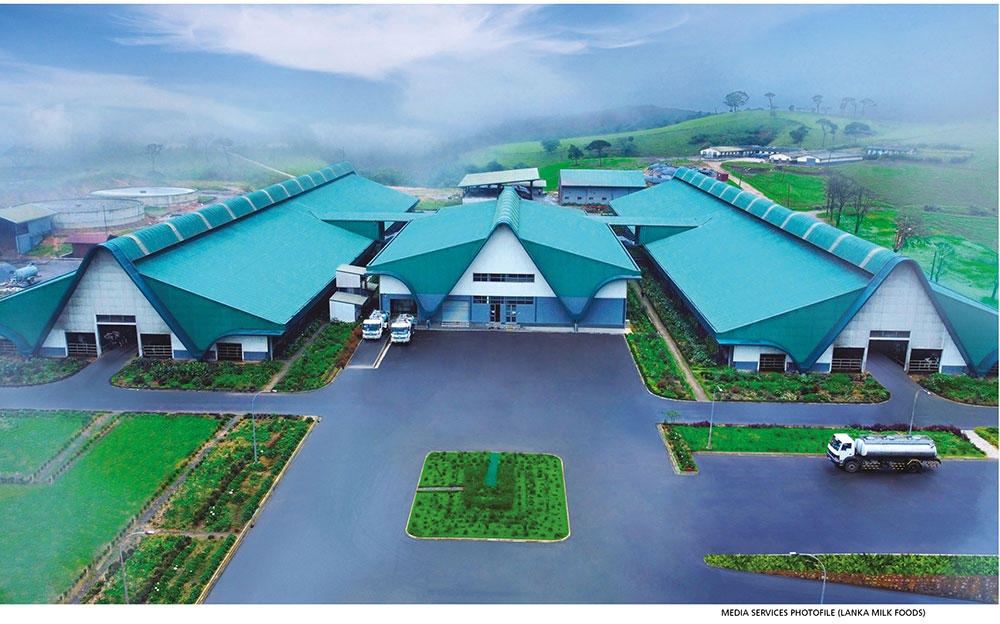
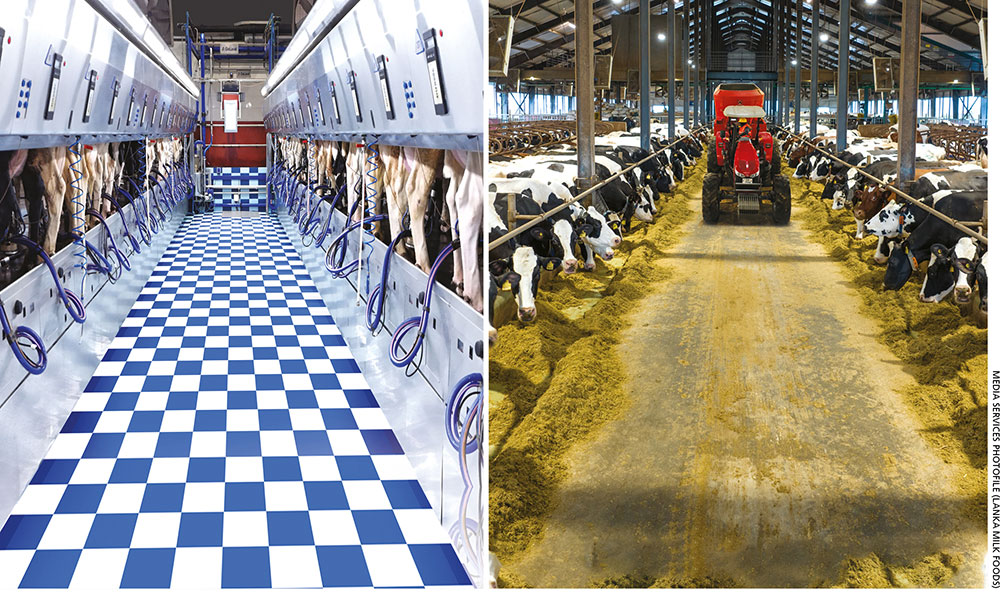
We are currently among the very few companies in Southeast Asia producing almost 38 litres of milk per cow daily – an output that is near world record levels. No other company or farm in the region has achieved this level of productivity.
However, many local farmers still lag behind in terms of efficiency and output. With the right support including access to knowledge, technology and infrastructure, farmers can improve their standards – helping the sector grow and move towards self-sufficiency in fresh milk production.
At present, Sri Lanka is not self-sufficient. If milk powder imports were halted today, the country would not have sufficient fresh milk to meet national demand. Addressing this vulnerability must become a strategic priority.
Q: Could you outline your company’s plans – especially in regard to expansion?
A: We are expanding at a tremendous pace across all areas of the business. From strengthening our route to market operations and front line capabilities to investing heavily in innovation and product development, growth is underway on multiple fronts. We’re also scaling up our teams and improving internal processes to support this momentum.
In recent months, we have introduced several new products including faluda yoghurt and bulk yoghurt packs, broadening our portfolio to meet evolving consumer needs. Our brand’s strong reputation for quality and premium standards continues to build trust among consumers – giving us a distinct competitive edge. The Ambewela name itself is widely recognised as a mark of excellence.
Innovation remains a core pillar of our strategy. As the market and category leader in Sri Lanka’s fresh milk sector, we help set the direction – and when we lead, others often follow.
Looking ahead, we will continue investing in new products, technologies and innovations that will not only grow our business but also elevate the entire dairy category.
Telephone 5222600 | Email lakspray@lmfgroup.lk | Website www.lmfgroup.lk