
HEALTHCARE SECTOR
Biotechnology has revolutionised modern medicine by offering unprecedented solutions to some of humanity’s most pressing health challenges. Among its various branches, red biotechnology stands out as the sector dedicated to medical and pharmaceutical applications, encompassing everything from drug development to gene therapy.
This dynamic field continues to transform healthcare delivery and treatment outcomes across the world.
MEDICAL TECH REVOLUTION
Akila Wijerathna is enthused by the therapeutic revolution in biotechnology
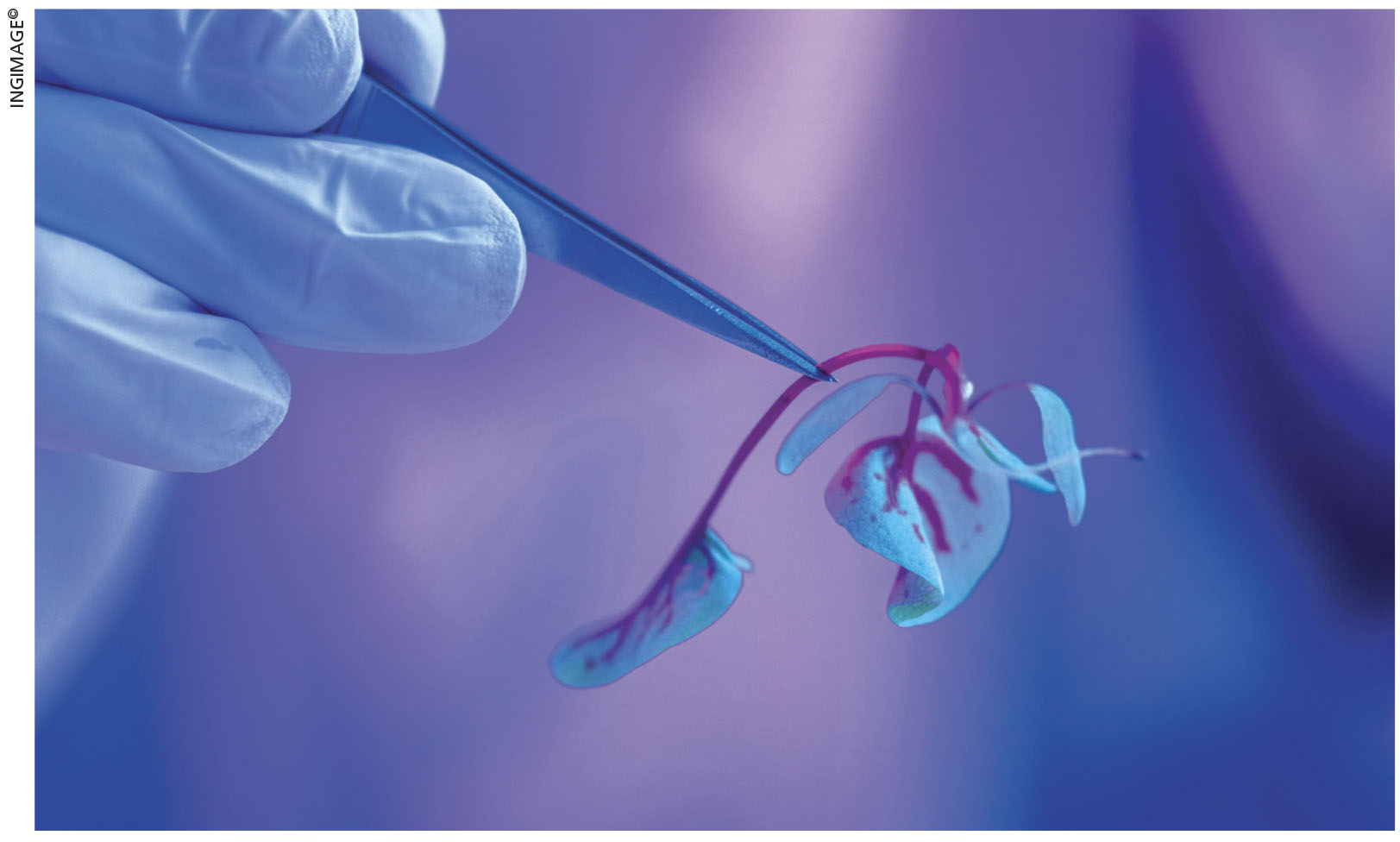
Red biotechnology focusses on harnessing biological systems and living organisms, to develop medical products and therapeutic interventions.
At its core, this discipline applies molecular and cellular processes to create innovative treatments, vaccines and diagnostic tools that save lives, and improve the quality of life for millions of beneficiaries.
One of the most significant contributions of red biotechnology lies in pharmaceutical manufacture.
Traditional drug production often relies on chemical synthesis or extraction from natural sources, which could be inefficient and costly. Today, biotechnological approaches enable the production of complex therapeutic proteins, antibodies and other biological molecules through recombinant DNA technology.
Biopharmaceuticals produced through these methods include insulin for diabetes management, growth hormones for developmental disorders and clotting factors for haemophilia patients.
These products are manufactured by inserting human genes into bacteria, yeast or mammalian cell cultures, which produce the desired therapeutic proteins in large quantities with high purity.
The development of monoclonal antibodies represents another breakthrough. These engineered proteins can target specific disease markers with remarkable precision, and make them invaluable in treating cancers, autoimmune diseases and inflammatory conditions.
Drugs such as Rituximab and Trastuzumab have dramatically improved survival rates for patients with certain lymphomas and breast cancers.
Gene therapy exemplifies the cutting edge of red biotechnology and offers hope for treating previously incurable genetic disorders. This approach involves introducing, eliminating or altering genetic material in patient cells, to rectify disease causing mutations or provide new cellular functions.
Recent successes include treatments for inherited retinal diseases that can restore vision, therapies for certain blood disorders such as sickle-cell disease and promising interventions for muscular dystrophy.
While challenges remain regarding delivery methods and long-term safety, the field continues to advance rapidly with numerous clinical trials underway for various genetic conditions.
Gene editing tool CRISPR-Cas9 and other revolutionary technologies have accelerated possibilities in this arena. These molecular scissors allow scientists to make precise modifications to DNA sequences and open doors to personalised medical approaches that could eventually cure genetic diseases at their source rather than merely managing symptoms.
Red biotechnology has transformed vaccine development from a lengthy uncertain process into a more predictable and rapid endeavour. Traditional vaccines require growing pathogens in eggs or cell cultures but modern biotechnological methods enable the creation of safer and more effective vaccines through genetic engineering.
Recombinant vaccines such as those for hepatitis B and human papilloma virus are produced by expressing specific pathogen proteins in host cells, and eliminating the need to work with dangerous live viruses.
The recent development of mRNA vaccines for COVID-19 showcased the speed and adaptability of biotechnological platforms, with vaccines developed and deployed in record time.
Beyond infectious disease prevention, therapeutic cancer vaccines represent an exciting frontier. These therapies train the immune system to recognise and attack cancer cells, and offer new hope for patients with malignancies that are difficult to treat.
Accurate diagnosis forms the foundation of effective medical treatment, and red biotechnology has revolutionised diagnostic capabilities. Molecular diagnostic techniques can detect diseases in their earlier stages, identify genetic predispositions and guide treatment decisions through biomarker analysis.
Polymerase chain reaction technology enables the detection of minute quantities of pathogen DNA or RNA and rapid identification of infectious diseases. DNA sequencing technologies have become faster and more affordable by making genetic testing accessible for cancer profiling, pharmacogenomic screening and rare disease diagnosis.
What’s more, stem cell research and tissue engineering represent frontier areas in red biotechnology with transformative potential. And scientists are developing methods to grow replacement tissues and organs that will potentially address the critical shortage of transplantable organs.