ECONOMIC OUTLOOK
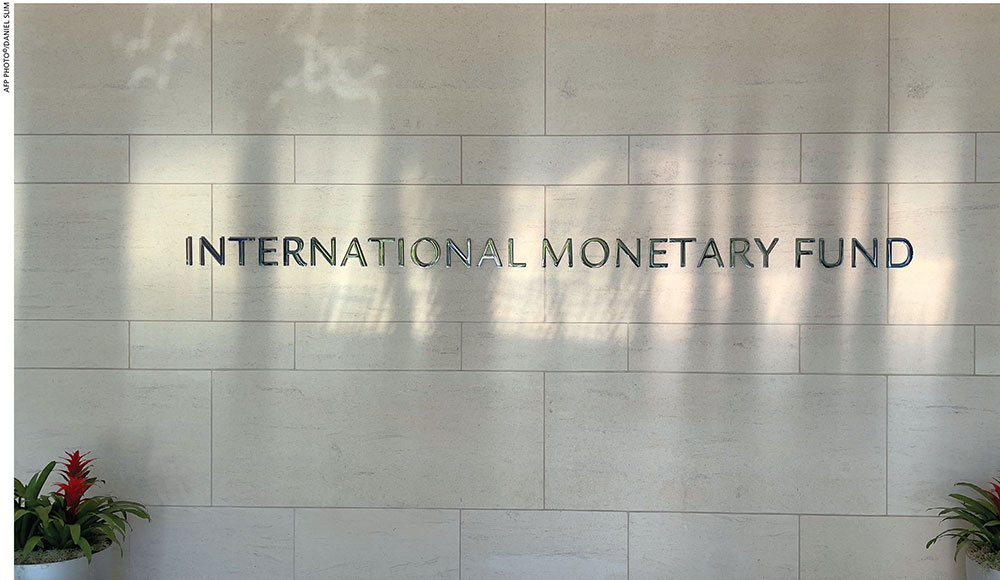
When the head of the IMF visits a country emerging from crisis, the message travels far beyond the meeting rooms of policymakers. The recent visit by International Monetary Fund’s Managing Director Dr. Kristalina Georgieva in mid-February carried precisely that weight, and signalled to the financial community that the island’s stabilisation efforts are gaining credibility and momentum.

FROM STABILISATION TO SUSTAINABLE GROWTH
Prashanthi Cooray reflects on how the IMF chief’s visit signals growing confidence in Sri Lanka’s recovery and reform trajectory
Coming nearly four years after Sri Lanka’s worst economic crisis since independence, the visit was a reflection of how far the country has come from the turmoil of 2022 – when soaring inflation, depleted foreign reserves and shortages of essential goods pushed the economy to the brink.
What followed was a painful but necessary period of adjustment aimed at restoring macroeconomic stability and rebuilding confidence.
Georgieva’s visit also coincided with a milestone: the 75th anniversary of Sri Lanka’s membership in the IMF. More importantly, it came at a time when the country’s reform programme has begun to show tangible results.
In remarks during her visit, she described Sri Lanka’s performance under the current programme as a success story and noted that the country is now positioned to achieve stronger growth if reforms continue.
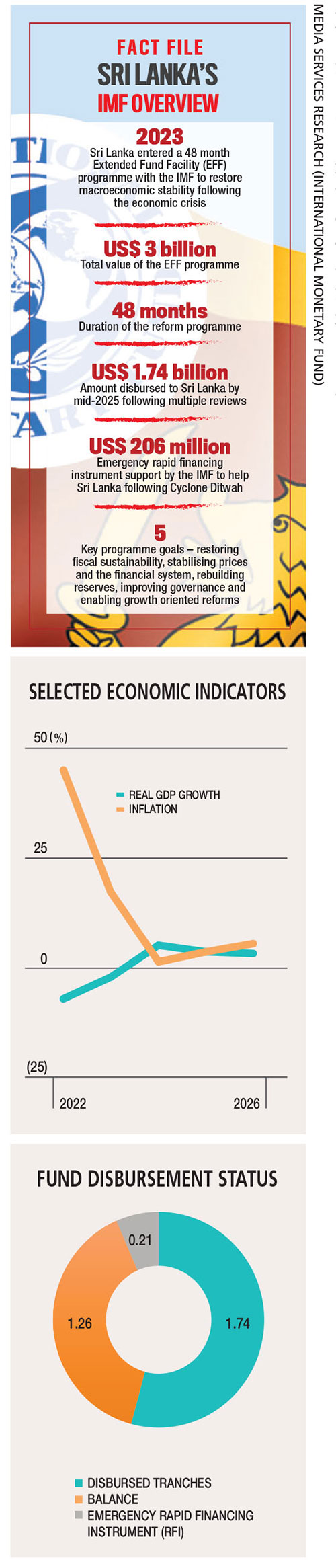
The backbone of Sri Lanka’s recovery has been the International Monetary Fund’s Extended Fund Facility (EFF), approved in March 2023 following the country’s sovereign default. The four year programme, valued at roughly US$ 3 billion, was designed to restore fiscal discipline, rebuild foreign exchange reserves, restructure public debt and introduce structural reforms to strengthen economic resilience.
And the path has been demanding.
Fiscal consolidation measures, tax reforms, changes to energy pricing and tighter monetary policy were necessary to stabilise the macroeconomic environment.
At the same time, the programme provided a framework for negotiations with external creditors as Sri Lanka sought to restructure billions of dollars in sovereign debt.
Nearly three years into the programme, the results are visible.
Inflation has fallen from its crisis era highs, foreign reserves have gradually improved and economic growth has returned after the deep contraction of 2022. The economy expanded by around five percent in both 2024 and 2025 – a stronger than expected rebound supported by policy reforms and the revival of industries such as tourism.
Progress on debt restructuring has been equally notable, given that it represented one of the most complex pillars of the recovery strategy. Agreements with bilateral lenders and bondholders have helped steer Sri Lanka’s debt trajectory towards sustainability, while also restoring confidence among international partners and development institutions.
Against this backdrop, Georgieva’s visit sends a strong signal. High-level engagement of this nature reassures investors and financial markets that Sri Lanka’s reform trajectory remains credible and aligned with international institutions.
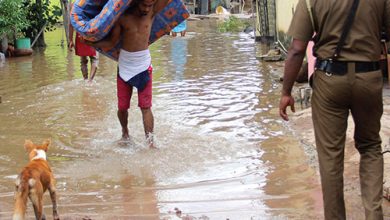
But the visit was not solely about balance sheets and policy frameworks. Georgieva also travelled to communities affected by Cyclone Ditwah, observing the human impact of the disaster and ongoing recovery efforts.
This illustrates another dimension of Sri Lanka’s economic recovery, which is the need to balance fiscal discipline with resilience and social protection as the country rebuilds from shocks.
The IMF’s Managing Director also engaged with policymakers, development partners and private sector leaders during her visit, making it clear that the next phase of Sri Lanka’s recovery is to aim for sustainable growth. Strengthening exports, encouraging private investment and improving productivity will be central to ensuring that the economic turnaround becomes durable.
That transition – from stabilisation to growth – is the real challenge ahead. While the macroeconomic environment has improved, the success of the reform programme depends on maintaining policy discipline and avoiding reform fatigue – although external shocks such as the turmoil in the Middle East are casting a shadow over growth sustainability.
In that sense, the IMF chief’s visit transcends diplomacy and reinforces a narrative in economic circles that Sri Lanka’s recovery, once uncertain, is showing signs of solidity.
For a country rebuilding trust with investors after a historic default, that signal of confidence may be one of the most valuable outcomes of her mission.