COURTYARD BY MARRIOTT COLOMBO
Courtyard by Marriott Colombo Hosts a Spectacular Launch for the Pakistani Food Festival
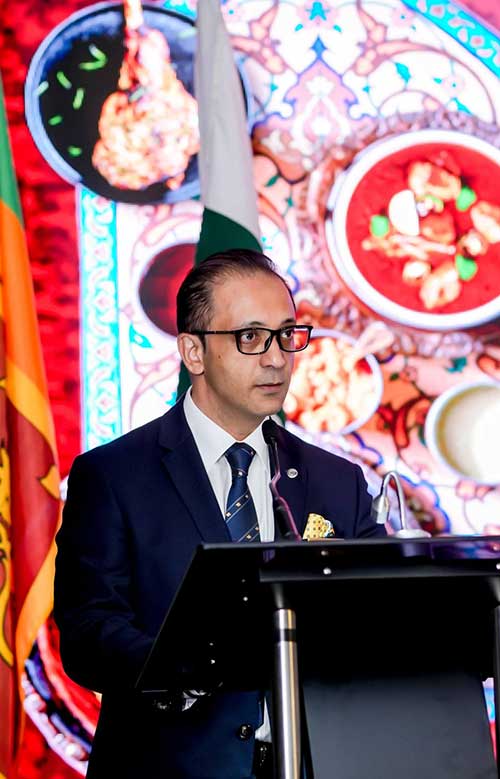
Colombo, October 4, 2024 — Courtyard by Marriott Colombo, in partnership with the High Commission of Pakistan in Sri Lanka and SriLankan Airlines, hosted an unforgettable gala dinner to officially launch the much-anticipated Pakistani Food Festival. The event was an extraordinary evening filled with culture, flavors, and camaraderie, bringing together distinguished guests, corporate representatives, and food enthusiasts alike.
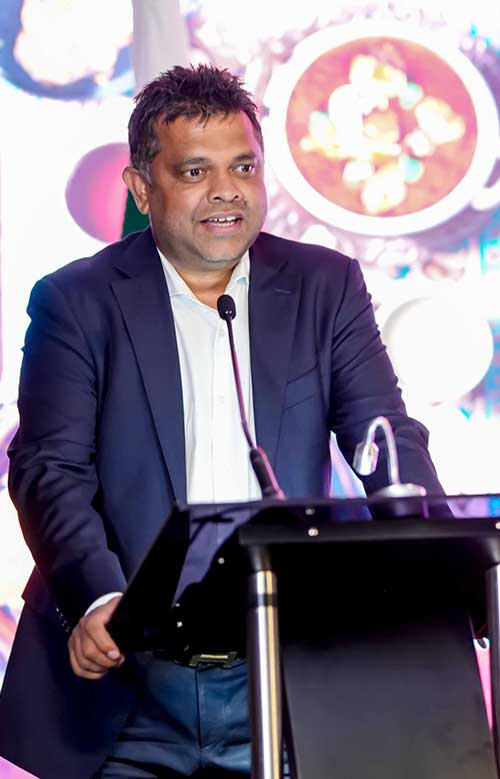
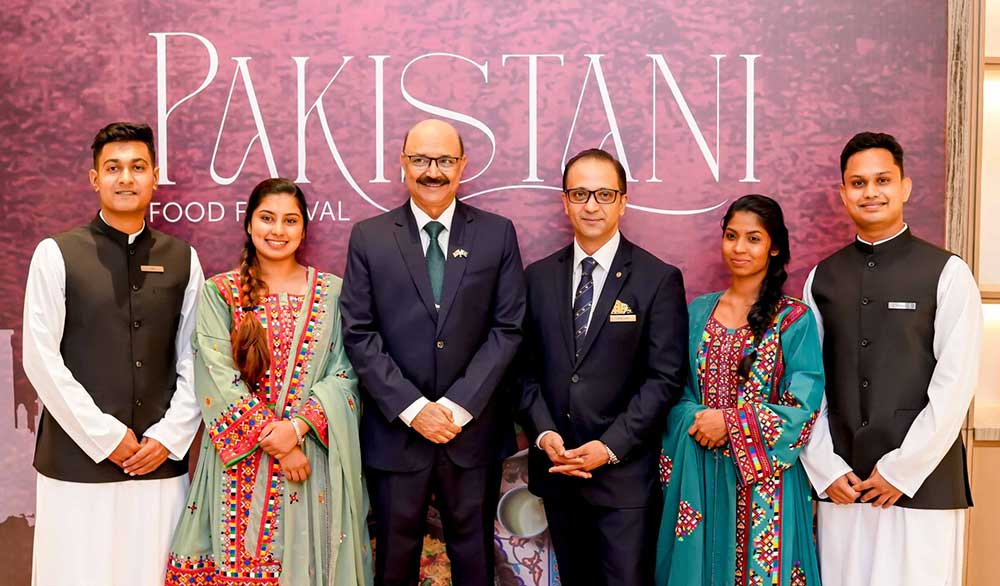
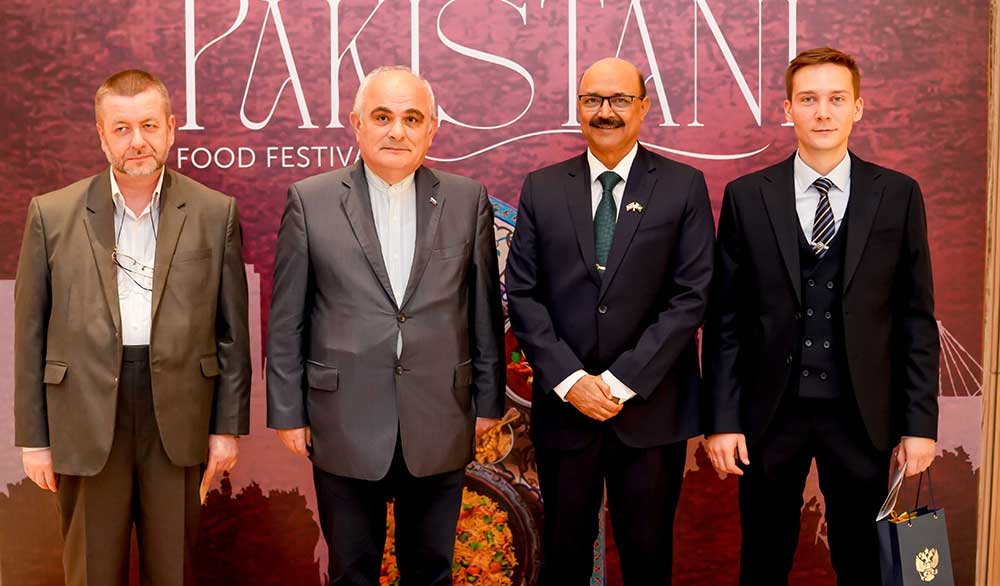
The night began with a welcoming address by Elton Hurtis, General Manager of Courtyard by Marriott Colombo, who expressed his excitement about showcasing Pakistan’s rich culinary heritage. Mr. Dimuthu Tennakoon, Head of Worldwide Sales & Distribution at SriLankan Airlines, followed, highlighting the airline’s ongoing commitment to fostering cross-cultural ties between Sri Lanka and Pakistan. H.E. Major General (R) Faheem-Ul-Aziz, HI (M), High Commissioner of Pakistan to Sri Lanka, then took the stage to emphasize the festival’s significance in strengthening diplomatic and cultural bonds between the two nations.
The gala was elevated by a mesmerizing performance from Rehan and his ensemble, who traveled from Pakistan to showcase a blend of traditional music with a contemporary twist. Their performance captivated the audience, adding a soulful rhythm to the night.

The dinner buffet, a grand preview of the Pakistani Food Festival, featured an array of authentic dishes that teased what’s to come over the next 10 days. Guests indulged in fragrant biryanis, succulent kebabs, and an assortment of traditional curries, each dish reflecting the bold, complex flavors of Pakistan. The culinary showcase gave attendees a true taste of the festival’s offerings, setting the stage for an immersive dining experience.
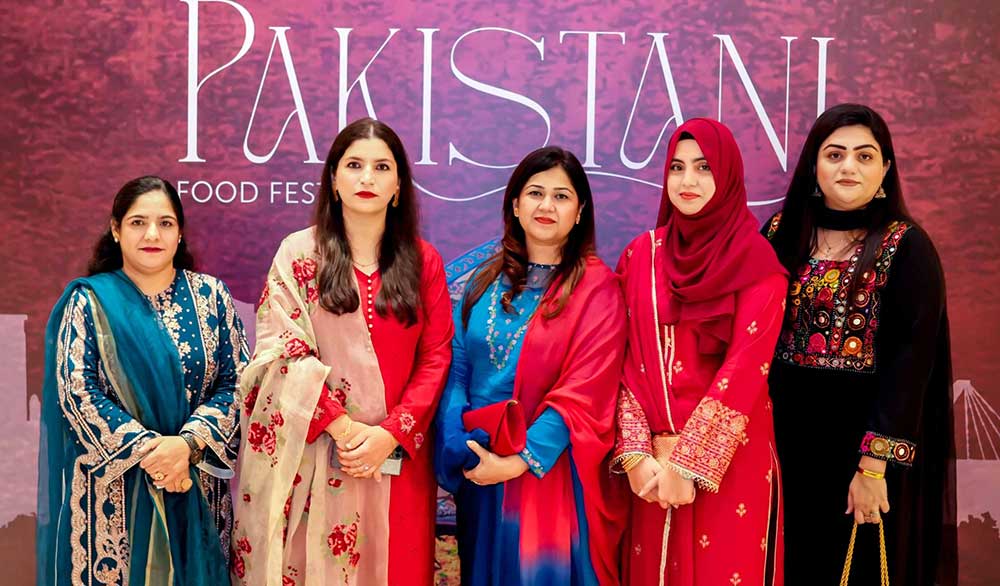
The gala was graced by the presence of distinguished delegates, corporate leaders, and food enthusiasts, all of whom were treated to an exclusive first look at the diverse and vibrant flavors that will be featured throughout the 10-day festival.
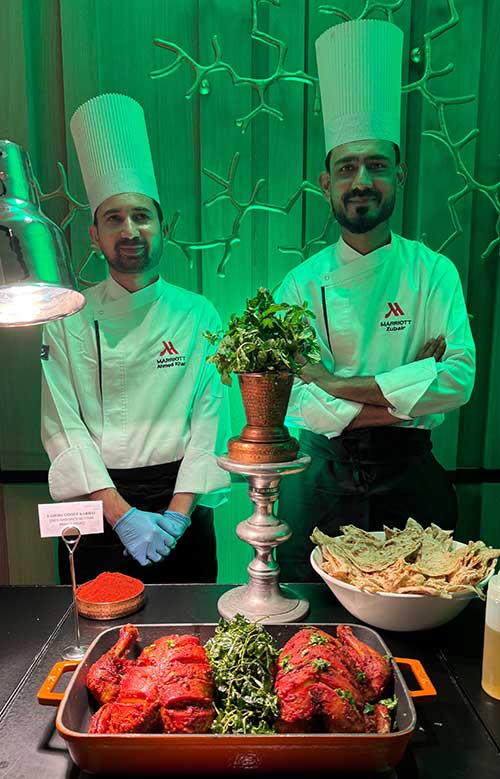
The Pakistani Food Festival will run from October 4th to 13th at Beira Kitchen and Terrace at Courtyard by Marriott Colombo. With a diverse menu curated by guest chefs Zubair Yaqub and Chef Ahmed from the Islamabad Marriott Hotel, the festival will offer guests a unique opportunity to explore Pakistan’s culinary traditions through a wide selection of dishes, including iconic street foods, hearty Lahori meals, and fragrant Karachi delicacies.
For those eager to embark on this exciting culinary journey, the festival will be held daily from 6:30 PM to 10:30 PM.
Event Details:
- Dates: October 4th to 13th, 2024
- Time: 6:30 PM to 10:30 PM
- Venue: Beira Kitchen, Courtyard by Marriott Colombo
- Price: LKR 7,100 nett per person
- For Reservations: Call 011 773 4451
Join us at Courtyard by Marriott Colombo and immerse yourself in the rich flavors, sights, and sounds of Pakistan!
Follow us on:
- Facebook: CourtyardColombo
- Instagram: @courtyardcolombo