BRITISH COSMETICS
Q: As British Cosmetics has grown over the past two decades, what have been some key milestones that have shaped the company into what it is today?
A: I would say this journey itself has been a series of milestones – after all, 25 years is a very long time. We were young when we started: in our early 20s; and over the years, both we and the company have evolved, building a strong foundation along the way.
The reason we entered the market in the first place was because we wanted to give customers greater choice. Back then, cosmetics were limited with only a few brands available. Lakmé was one of the better-known names but it was also moving out of the market around the time we entered.
We came in with a much greater choice and people were amazed by the range we offered. The products were made in the UK, offered the assurance of quality and safety, and were also affordable. So we were able to give customers everything they were looking for.
I think that was our first major milestone; and from there onwards, we continued to evolve, moving beyond imports to develop manufacturing capabilities.
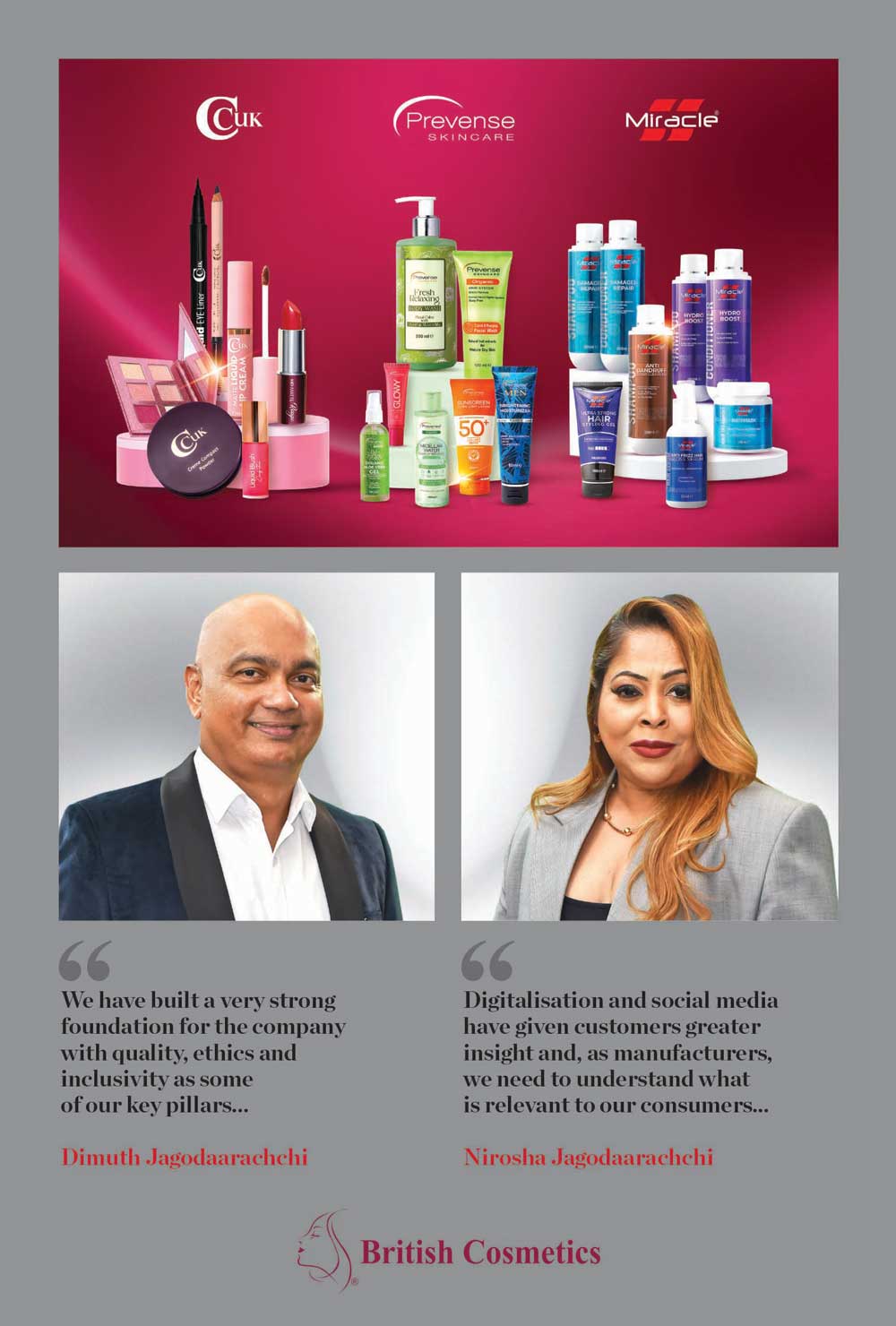
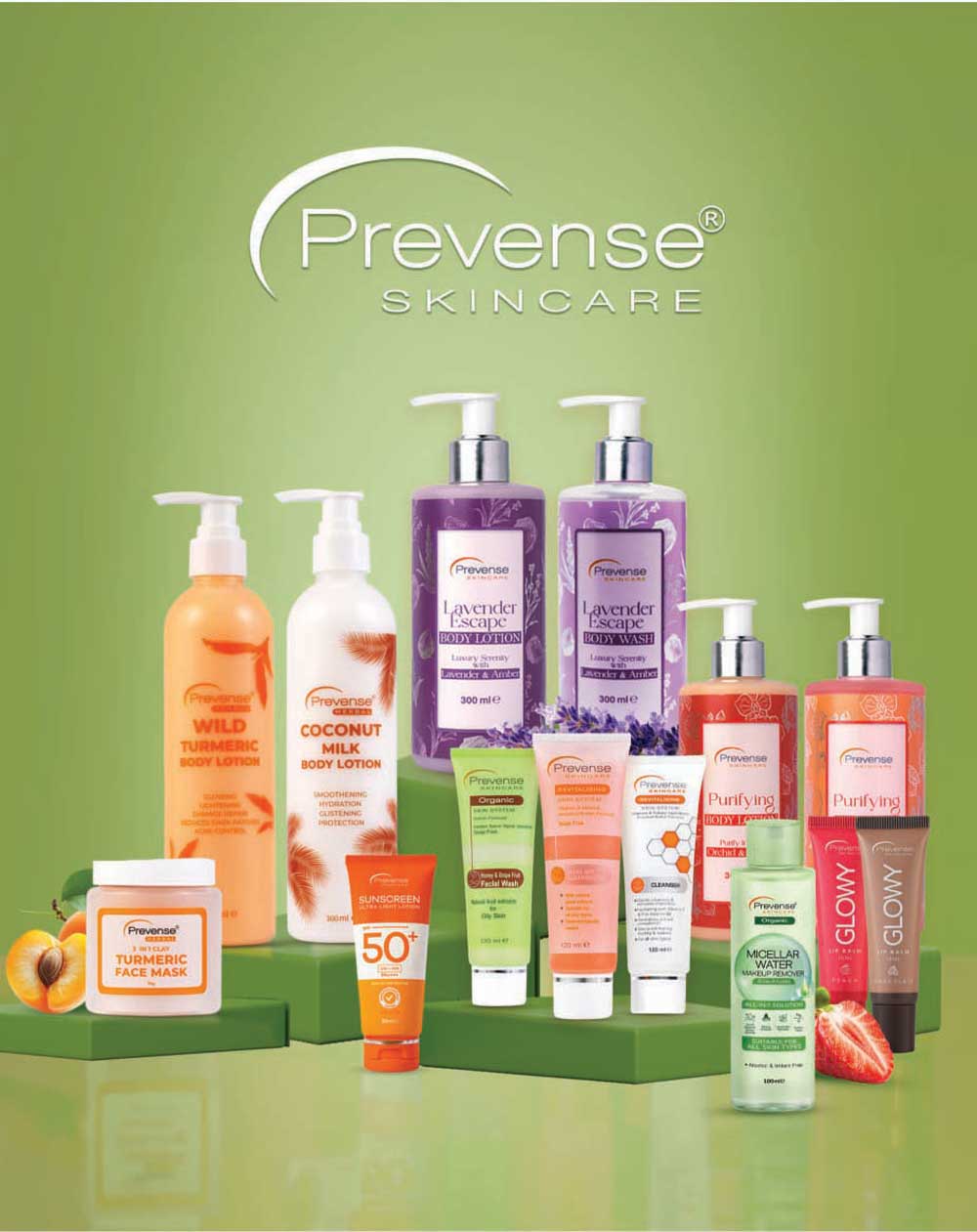
This next phase of our evolution came in 2009 when we were working with a number of British brands and had the opportunity to acquire one of them: Prevense. We acquired the brand from its principals – including the formulation, brand rights and everything that came with it.
We then developed the brand within our own ecosystem, investing considerably in R&D while retaining the original formulation and making adjustments to suit our market. From there, we expanded the product range and further strengthened its USPs.
Acquiring a British brand was a defining moment for us. To our knowledge, there isn’t another company in Sri Lanka that has made a similar investment in bringing an international brand of this nature into the local market.
Since then, we have continued to build what we see as a 360 degree cosmetics ecosystem. We have evolved beyond retail and manufacturing, establishing our own research and development capabilities. We also have an education component through our academies where we professionalise and develop the skills of beauty professionals, alongside our retail stores and lifestyle salons.
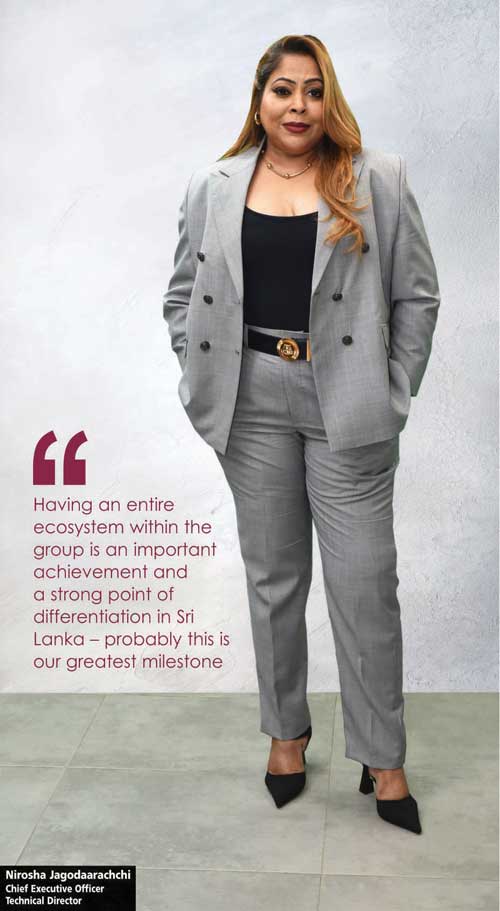
Essentially, we encompass almost every aspect that is relevant to the consumer and a cosmetics company. Having an entire ecosystem within the group is an important achievement and a strong point of differentiation in Sri Lanka – probably this is our greatest milestone.
Q: As the beauty landscape continues to shift, how has British Cosmetics adapted to changing consumer needs and emerging trends in the local market?
A: The Sri Lankan market has evolved considerably over the years.
Digitalisation and social media have given customers greater insight; and as manufacturers, we need to understand what is relevant to our consumers. We cannot bring every trend into our portfolio; we need to consider their needs and demands, and whether a particular trend is relevant to the local market. Cosmetics are very personal – so that understanding is important.
Speaking of trends, Sri Lanka was once – and often at that – behind international markets. This was a challenge because by the time we introduced a trend here, consumers were not necessarily aware of it. We had to create awareness around the product; and by then, the trend could already be declining internationally.
The landscape is different today. For us, the approach has always been to stay close to the market. We engage with consumers, monitor usage patterns and invest heavily in R&D to ensure that what we develop is not only innovative but also practical, safe, ethical, inclusive and suited to our environment.
Q: How would you describe the Sri Lankan consumer today? What are some of the unique characteristics you see in terms of their preferences and expectations?
A: I believe the Sri Lankan consumer today is very demanding. Their choices are sophisticated and trendy, and they are also very knowledgeable. This means we have to be equally responsive as manufacturers.
When we introduce a product, we don’t simply copy trends. We take the concept and reinvent it within our own portfolio, investing in research and development to ensure that what we introduce is relevant, effective and meets the needs of the customer.
With trends changing so quickly, R&D has to be an ongoing process. We have regular meetings to review emerging trends and continuously update our standard operating procedure, and research and development matrices. Things are changing all the time – so we have to adapt accordingly.
Q: What do you see as the greatest challenges and opportunities for Sri Lanka’s beauty and cosmetics sector today?
A: Any industry will face challenges, both internal and external. But the show must go on; the key is to find ways to turn those challenges into opportunities.
I think Sri Lankan entrepreneurs are particularly strong and resilient in that respect. We have been through the war, a pandemic, recession and several economic challenges; yet, we have continued to adapt and move forward.
As a company, we continued working throughout COVID-19 – and it was one of the greatest learning experiences we have had. At one point, there was very little activity (for about three months) because of the restrictions and we had to find new ways to sustain the business.
We adapted by producing and selling sanitisers. At the time, we had around 200 people in our workforce and we kept them engaged in the business. We got through that period and are doing better today than ever before.
There are also many opportunities as the cosmetics sector continues to evolve. Consumer needs and expectations are expanding and beauty itself is being redefined. We need to understand what is relevant, essential and effective for the market, and then focus on what we do best.
Q: As entrepreneurs leading one of Sri Lanka’s most established beauty companies, what has been your leadership philosophy and what advice would you give to the next generation?
A: People often ask how we manage to work together as a couple. It can be difficult but we have a good synergy. We each have our own areas of responsibility and we understand where our strengths lie. That allows us to work independently while supporting each other as a team.
We believe an entrepreneur cannot run the whole show alone; you need a strong team. We are fortunate to have a skilled team and we invest heavily in developing them. We bring in trainers and send staff overseas for training with a specific budget for upskilling.
Technology and equipment are important but you also need the expertise and skills to use them effectively. That is why developing our people is a key priority for us.
Q: What are British Cosmetics’ aspirations for regional or international growth and how are you preparing the business for that next chapter?
A: We have a very clear vision for the future and are continually exploring the export market.
Through our travels, we have seen how blessed Sri Lanka is with its biodiversity and the uniqueness of what we have to offer. We believe there is great potential to take this to international markets – but it has to be value-added.
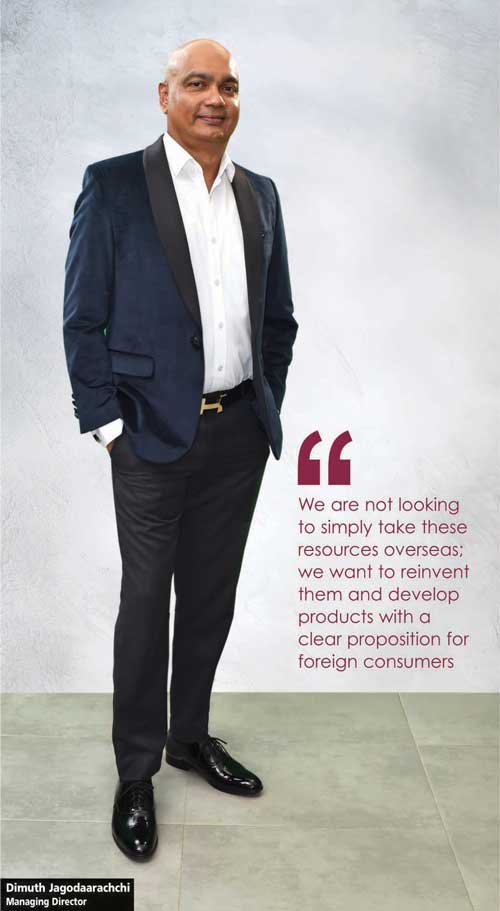
The opportunity lies in combining our natural resources with R&D, science and technology to create products that meet international consumer requirements.We are not looking to simply take these resources overseas; we want to reinvent them and develop products with a clear proposition for foreign consumers. It is a slow but steady process with a lot of preparation behind it – but it remains one of the main opportunities in our pipeline.
Innovation and technology are also key pillars for us. We were the first company in Sri Lanka to introduce nanotechnology to the cosmetics sector around seven years ago. It was a big risk and we carefully considered the investment before taking the leap, but that is what innovation requires – a willingness to explore new possibilities.
Our focus is on developing products that offer something better or unique to the consumer. Every product has a clear USP that differentiates it from others and this is one of the key drivers of our company.
That commitment also extends to quality. We never compromise on quality because of factors such as cost. We have minimal complaints and our ecosystem allows us to engage directly with consumers through our networks. We listen to their feedback, comments and recommendations, and address concerns immediately.
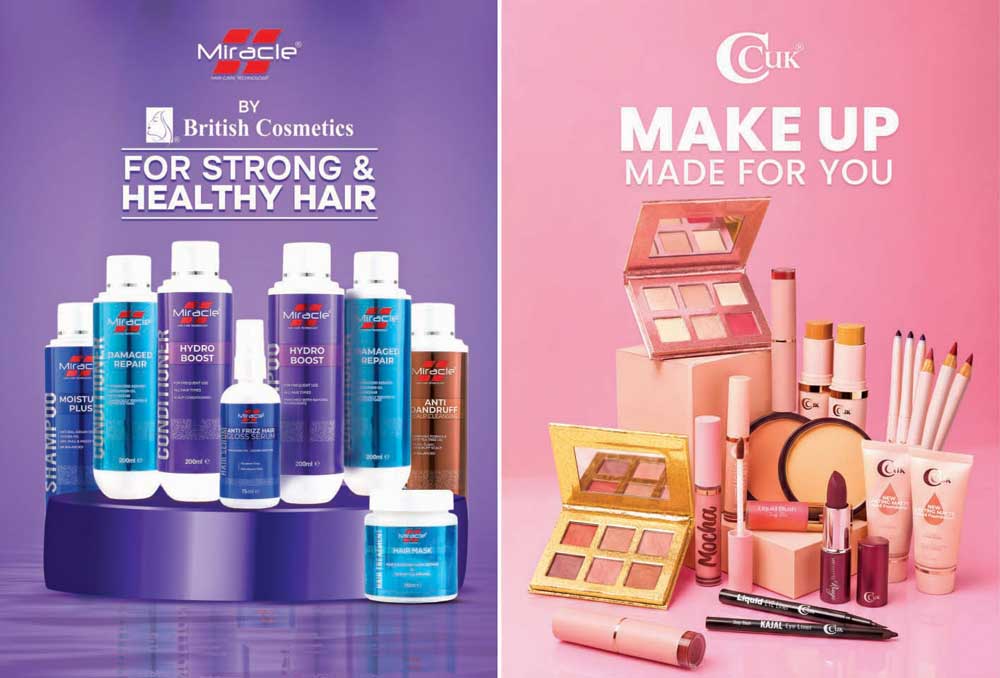
Q: And finally, what would you like the company to be known for in the years ahead and what type of legacy do you hope to build?
A: We have built a strong foundation for the company with quality, ethics and inclusivity as some of its key pillars. We remain connected to our customers, responding to their needs and ensuring the safety of our products. That is our true value and it is what we want to carry forward.
Our successors will be the third generation – our daughters – who are already involved in the business and have grown up with it. They have seen how our values have evolved and how we engage with the market; so I am confident they will continue in the same way.
Looking ahead, we would like British Cosmetics to be known not simply for the products we created but for the values with which we built the company. For me, that is the real legacy – a business that remains relevant and innovative while staying ethical and genuinely committed to its consumers.
Businesses will evolve, and products and generations will change; but I hope the values behind British Cosmetics will always remain.
The legacy will continue.
– Compiled by Prashanthi Cooray
INTERVIEWEE DETAILS
Nirosha Jagodaarachchi
Chief Executive Officer
Technical Director
Dimuth Jagodaarachchi
Managing Director
COMPANY DETAILS
Telephone: 0772 077020
Email: onlineorders@britishcosmetics.lk
Website: www.britishcosmetics.com