WORKING PAST, PRESENT AND FUTURE AT THE GEOFFREY BAWA TRUST
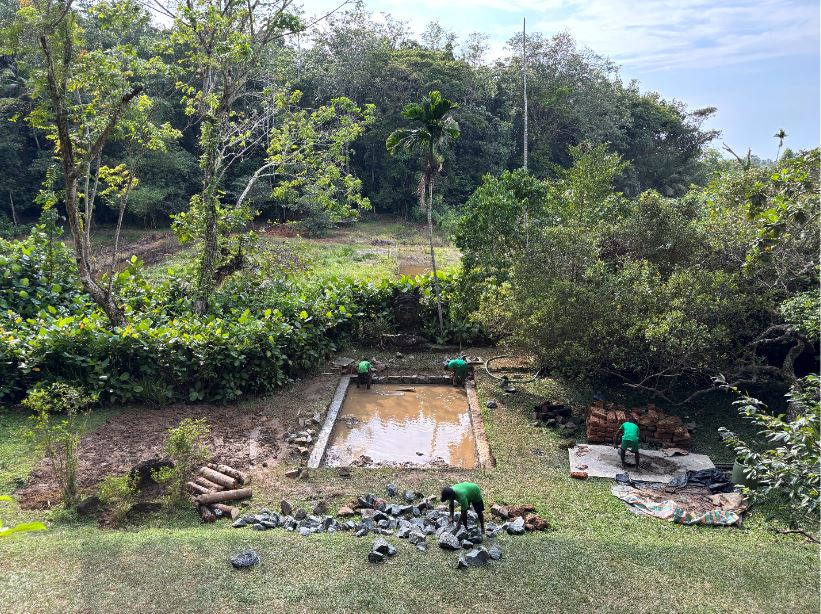
Visitors to Lunuganga ahead of the southwest monsoon may have noticed garden staff working in the water surrounding the estate’s sundial — not an unusual sight given the nature of conservation work, but representative of the breadth and rigour that defines the Trust’s approach. The task at hand was the restoration of the Butterfly Pond, one of many ongoing efforts to preserve the integrity of Geoffrey Bawa’s work for present and future generations.
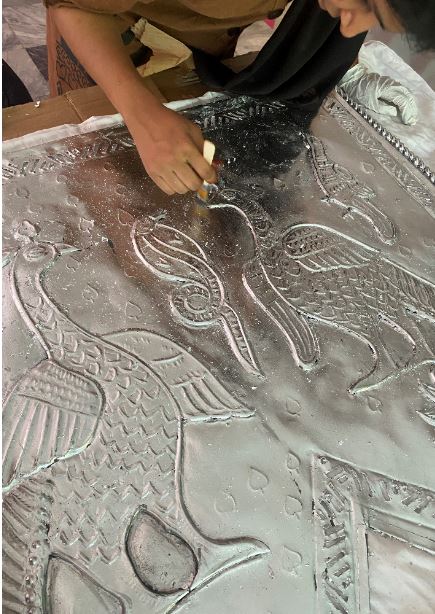
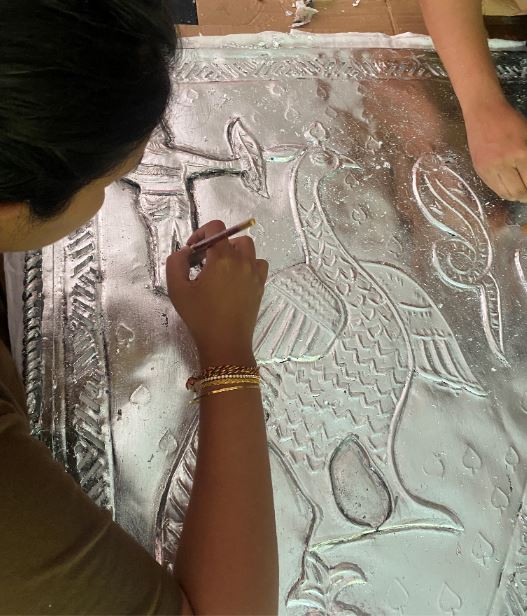
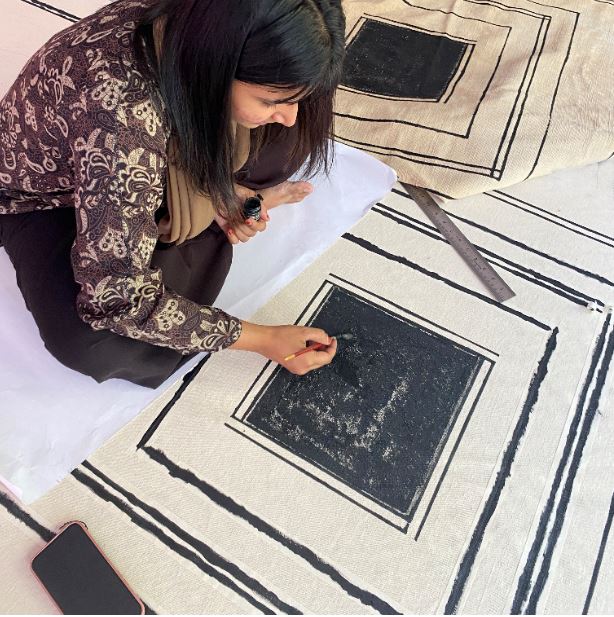
Conservation of Geoffrey Bawa’s estate is among the primary mandates of the Geoffrey Bawa and Lunuganga Trusts, non-profit organisations established by the architect during his lifetime. Upon his passing, Bawa entrusted the entirety of his estate to the Trusts, which now hold stewardship of the Geoffrey Bawa Collection and Archives. Given that Bawa’s professional practice and private collection spanned architecture, art, furniture, and landscape design, the Trusts’ conservation programme is correspondingly broad in scope.
“We work across many mediums and even locations,” says Aneesha Mustachi, Senior Curator overseeing conservation within the Geoffrey Bawa Trust collection. “Within a week, we could go from working with drawings in our archive at the Geoffrey Bawa Space in Colombo, then over to Number 11, Geoffrey Bawa’s private residence, to restore a deteriorating frame on an artwork, and off to Lunuganga to figure out how best to electrify and re-install an old wall sconce that has sat in storage for a decade. It’s a fine balance making these spaces publicly accessible and usable while maintaining the integrity and safety of our collection. The work requires significant patience, effort and learning, but it’s also rewarding knowing that we’re maintaining Geoffrey Bawa’s legacy for present and future generations to experience and learn from.”
Landscape and Archive Conservation
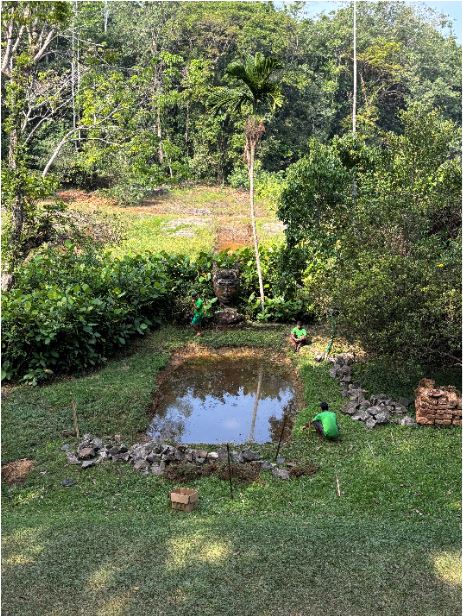
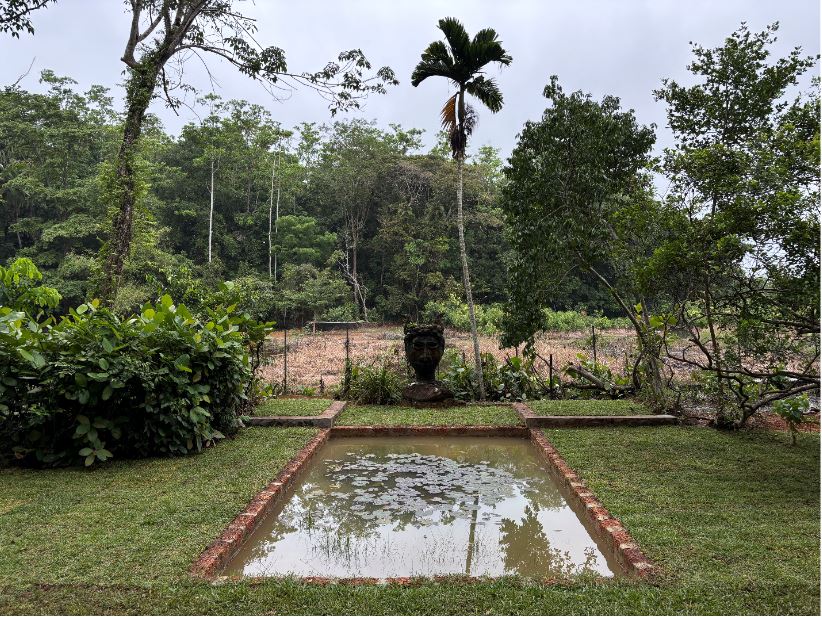
In the Lunuganga garden, on the edge of the Field of Jars, stands the head of a Hindu Pan. Horned and commanding, the sculpture sits at the edge of a pond, its reflection caught among the surrounding vegetation. Years of monsoon flooding, however, have compromised the pond’s structure and left the piece vulnerable to ongoing water damage. With climate change driving higher water levels and increasingly unpredictable rainfall, the conservation challenge extends beyond restoration to future-proofing.
“Conservation work in the garden is not just about maintaining the exactness of Geoffrey Bawa’s designs, but also about adapting and considering the future,” says Soham Kacker, Curator for Living Collections.
During the restoration of Pan’s pond, the team incorporated a new overflow drain, a subtle intervention not present in Bawa’s original design, but one that ensures the long-term preservation of the work while remaining unobtrusive to the visitor experience.
In Colombo, conservation work moves indoors to the archive at the Bawa Space on Horton Place. Comprising 9,500 items — including original drawings, textiles, photographs, paintings, sketches, and documents from Geoffrey Bawa’s practice — the archive entered a new phase in 2024 with its transfer into purpose-built archival facilities. The rehousing process took over a year and required the development of systems tailored to local resources and conditions, while meeting rigorous international archival standards.
Conserving a Generation of Artists
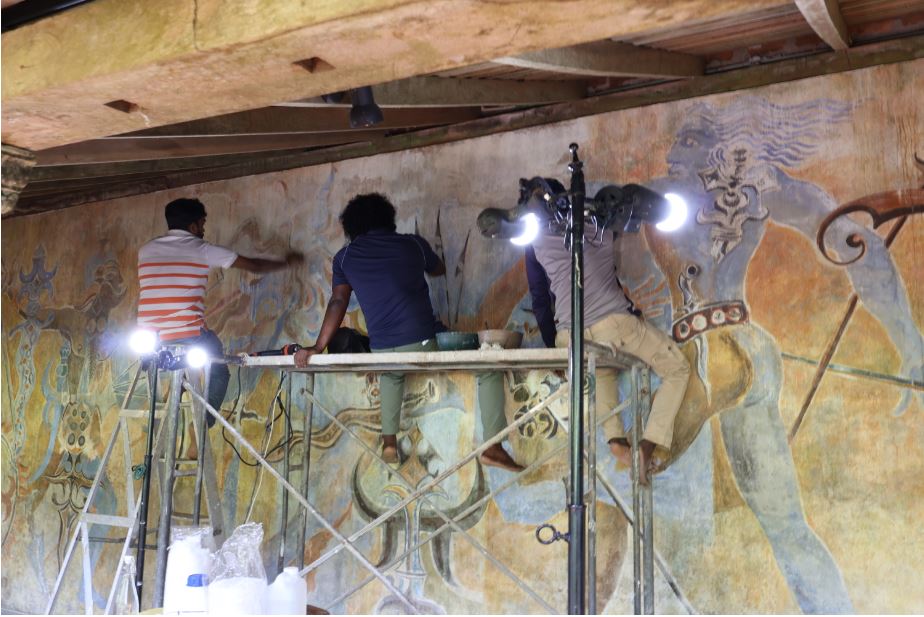
The Trusts’ conservation mandate extends beyond Bawa’s own work to encompass the contributions of his contemporaries. At Lunuganga, the gatehouse loggia overlooking the ha-ha (a traditional sunken road) houses an iconic mural by artist Laki Senanayake. Painted in Senanayake’s characteristically bold style, the work depicts a dramatic scene drawn from Vedic legend, rendered through techniques derived from ancient wall painting traditions. Its motifs echo those found across Senanayake’s broader practice, including his 1961 work Portuguese Arriving in a Cloud and the sculptured handrail of the spiral staircase at Bawa’s Lighthouse Hotel, completed in 1995.
Senanayake began the mural in 1969 and worked on it for fourteen years, producing a detailed and richly layered composition dominated by blues, browns, and yellows. After decades of exposure, however, the work had deteriorated significantly, its illustrations and colour palette fading with time.
In 2025, the Trust engaged conservator Ajith Jayasundara and his team to undertake a full restoration. “The mural deteriorated mainly due to roof leaks and prolonged moisture penetration; it was heavily affected by algae, fungi, and lichen growth,” says Jayasundara. The project encompassed structural conservation of the verandah walls and roof, though the mural itself was not repainted or redrawn. “The most challenging aspect of the project was removing the microorganisms without damaging the original mural surface,” he notes. “But once the microorganisms were removed, the mural surface became much clearer and visually legible. Only areas that were completely damaged were minimally filled and carefully toned to maintain visual continuity.”
Building Institutional Capacity
The Trusts’ conservation programme also invests in developing the next generation of conservation professionals. Beyond preserving Geoffrey Bawa’s legacy, the organisation is committed to advancing expertise in museum and archival practice across Sri Lanka.
Staff typically enter the programme as interns, progressing to junior and senior roles as their knowledge and skills develop. “On-the-job training is a big part of working at the Geoffrey Bawa Trust,” says Nasla Yoosuf, who joined as an intern and now serves as Junior Conservation Assistant. “It’s a great transition from classroom work to hands-on experience working in the field. It’s also a nice reminder that those of us who study art and design have career paths open to them beyond the corporate work of media and advertising.”
At the Lunuganga sundial, the Butterfly Pond restoration has now been completed. Drawing on historical photographs to guide their approach, the team removed invasive plant species and replanted the area with native mangrove ferns. The outcome reflects what is consistent across the Trusts’ conservation work: the result not of any single individual, but of a collaborative effort across disciplines and roles.
Check the website for more information on working at the Geoffrey Bawa Trust. In addition to its work with the collection and archives, The Geoffrey Bawa Trust hosts regular public events, workshops and lectures on topics relating to art, architecture, and ecology. The Bawa Space is located at 42/1 Horton Place, Colombo 07 and is open Thursday–Sunday, 11.30 a.m. until 5.30 p.m during exhibitions. The next exhibition will open in June, 2026.