FOOD AND AGRICULTURE ORGANIZATION OF THE UNITED NATIONS
Colombo workshop concludes with renewed regional momentum on climate transparency, agrifood systems, and COP31 engagement
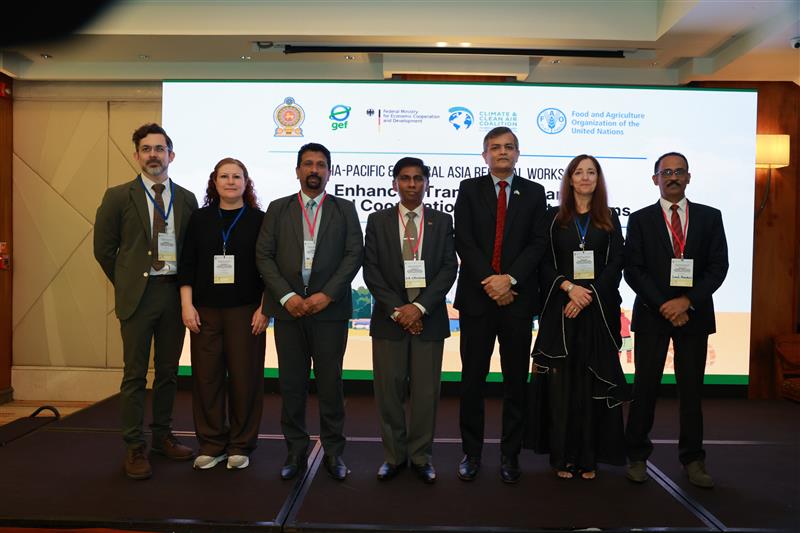
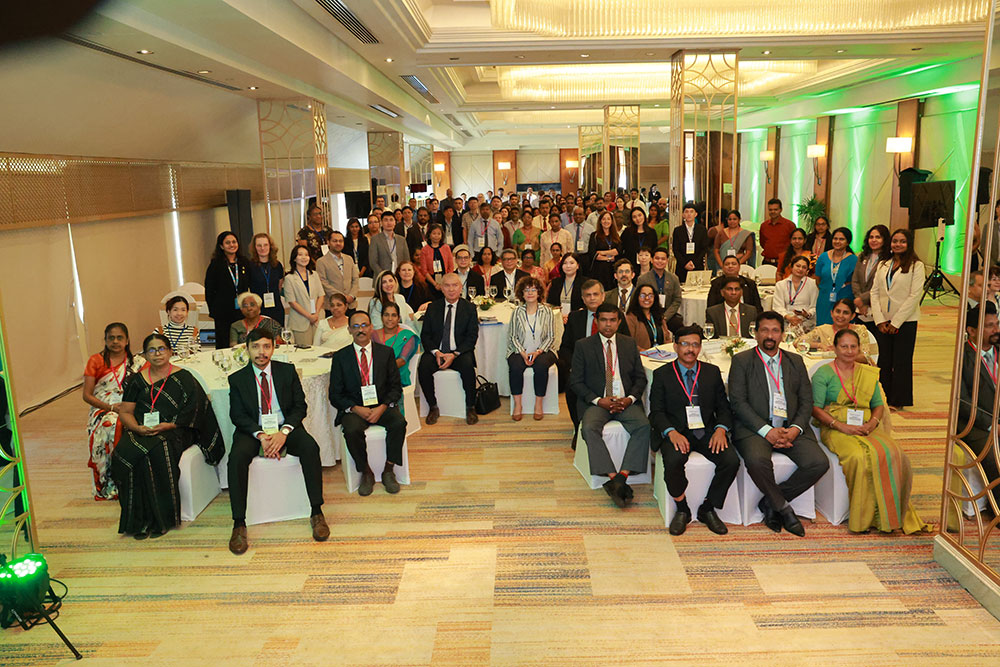
2 April 2026, Colombo – A regional workshop on enhanced transparency and cooperation for climate action concluded in Colombo, bringing together representatives from countries across Asia and the Pacific and Central Asia to strengthen collaboration on climate transparency, agrifood systems transformation and engagement in the lead-up to COP31.
Held from 11 to 13 March 2026, the workshop convened government representatives, technical experts, farmers’ organizations, development partners and regional institutions for three days of technical exchange and dialogue. Discussions focused on advancing implementation of nationally determined contributions (NDCs), strengthening transparency systems under the Enhanced Transparency Framework (ETF), and improving coordination in international climate processes.
Participants emphasized the importance of robust national transparency systems not only for meeting reporting requirements, including Biennial Transparency Reports (BTRs), but also for supporting evidence-based decision-making, strengthening investment planning and enhancing credibility in climate action.
A key outcome of the workshop was the recognition of agrifood systems as central to climate action. Participants highlighted their critical role in addressing climate change while contributing to food security, livelihoods and rural development. The need for integrated policies linking climate action with trade, investment and inclusive governance was underscored, alongside the role of farmers’ organizations and cooperatives as key partners in advancing climate-resilient and low-emission agrifood systems.
The workshop was hosted by the Ministry of Environment of Sri Lanka and organized by the Food and Agriculture Organization of the United Nations (FAO). It also highlighted Sri Lanka’s ongoing efforts to strengthen its national transparency system with support from the Global Environment Facility (GEF) through the Capacity-Building Initiative for Transparency (CBIT).
Additional support was provided through FAO-implemented initiatives, including the GEF-funded CBIT-AFOLU+ project and the IMP-ACT 2030 project, funded by the German Federal Ministry for Economic Cooperation and Development (BMZ), which support countries in advancing transparency and climate action in agrifood systems.
Opening the workshop, Secretary to the Ministry of Environment, K.R. Uduwawala, underscored the importance of transparency in climate cooperation: “Transparency is not merely a reporting requirement, but it is the foundation of trust, accountability, and effective cooperation. By openly sharing our progress, challenges, and innovations, we empower one another to act with greater confidence and ambition.”
FAO Representative for Sri Lanka, Vimlendra Sharan, highlighted the broader value of transparency systems: “Strong transparency systems enable countries to monitor progress toward their NDC targets, identify implementation gaps, strengthen access to climate finance, and enhance credibility in international negotiations. Transparency is helping to strengthen coordination among national institutions and support evidence-based decision-making for climate policy.”
Representing BMZ, Anna Berg emphasized the urgency of advancing agriculture in climate negotiations: “Your farmers are already living with the consequences of a changing climate. Your negotiators must ensure that this reality is heard, and acted upon, in every room where climate decisions are made.”
Throughout the workshop, participants shared experiences on BTR preparation, institutional coordination, greenhouse gas inventories, NDC tracking and adaptation reporting. Discussions highlighted common challenges and opportunities for strengthening national systems and regional collaboration.
The workshop also reinforced the value of South–South and interregional cooperation. Participants identified opportunities to accelerate learning, strengthen cross-sectoral coordination and enhance linkages between transparency systems and NDC implementation.
Discussions on the final day focused on strengthening regional engagement in the United Nations Framework Convention on Climate Change (UNFCCC) process, including priorities related to COP31 and the importance of coordinated regional positions on agrifood systems.
The workshop also introduced a new FAO initiative, supported by the Climate and Clean Air Coalition, to enhance methane monitoring in rice systems using remote sensing technologies. The initiative, linked to pilot activities in Viet Nam and Cambodia, aims to strengthen greenhouse gas reporting and support mitigation efforts in the agriculture sector.
Participants identified several follow-up actions, including strengthening regional collaboration on transparency, developing roadmaps linking NDC implementation with ETF reporting and investment priorities, enhancing capacity development efforts, and contributing to regional inputs for COP31.
The workshop is also expected to inform a regional knowledge product on experiences in implementing NDCs and transparency in agrifood systems.