OIL HITS HIGHEST LEVEL SINCE 2023 AS IRAN WAR TRIGGERS HISTORIC SURGE
Goldman Sachs warns crude will soar past 2008 peak if action is not taken to reopen Strait of Hormuz
Please use the sharing tools found via the share button at the top or side of articles. Copying articles to share with others is a breach of FT.comT&Cs and Copyright Policy. Email licensing@ft.com to buy additional rights. Subscribers may share up to 10 or 20 articles per month using the gift article service. More information can be found on the Help FAQ on gift articles.
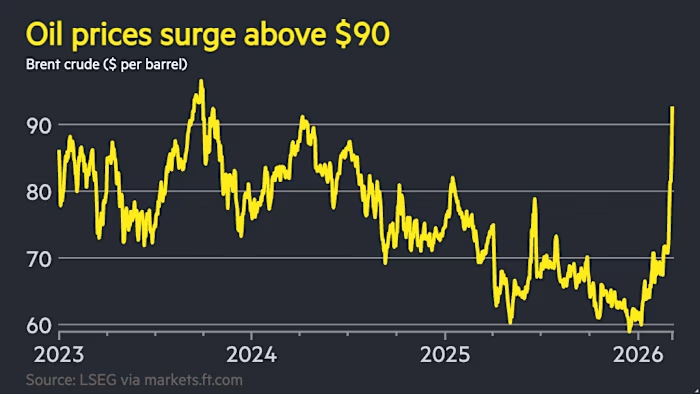
Oil prices surged to the highest level since 2023 as the war in the Middle East roiled commodities markets, sending the costs of everything from petrol to jet fuel spiralling and threatening a new bout of global inflation. Brent crude settled 8.5 per cent higher on Friday, leaving the international oil benchmark up 28 per cent this week to $92.69 a barrel. US marker West Texas Intermediate leapt 36 per cent this week to $90.90, in its biggest weekly rise on records stretching to 1983.
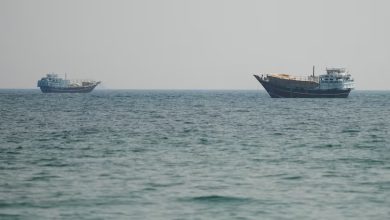
The rally came after US-Israeli strikes on Iran at the weekend, and Tehran’s counteroffensive stymied transits of oil tankers through the Strait of Hormuz, a waterway that carries about a fifth of the world’s oil supply.
Financial Times – Mar 6 2026
In the early hours of Saturday, when markets were closed, Saudi Arabia said it had intercepted 10 drones targeting the 1mn-barrel-a-day Shaybah oilfield, in the first attempt to strike the heart of the kingdom’s energy production.
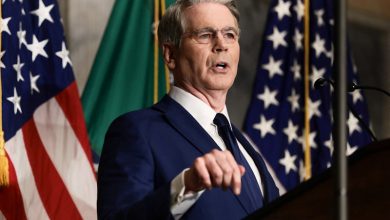
Tensions ratcheted up sharply on Friday after Donald Trump warned there would be “no deal” with Iran unless the country offered its “unconditional surrender”, while Qatar’s energy minister predicted oil would hit $150 a barrel without a quick end to the war.
Goldman Sachs on Friday said “oil prices would likely exceed $100 next week if no signs of solutions [to restore transits through the Strait of Hormuz] emerge by then”.
The Wall Street bank added: “We now also think it’s likely that oil prices, especially for refined products, would exceed the 2008 and 2022 peaks if Strait of Hormuz flows were to remain depressed throughout March.”