
EV SECTOR
THE NEW KIDS ON THE BLOCK
Janaka Perera observes that electric vehicles are turning heads these days
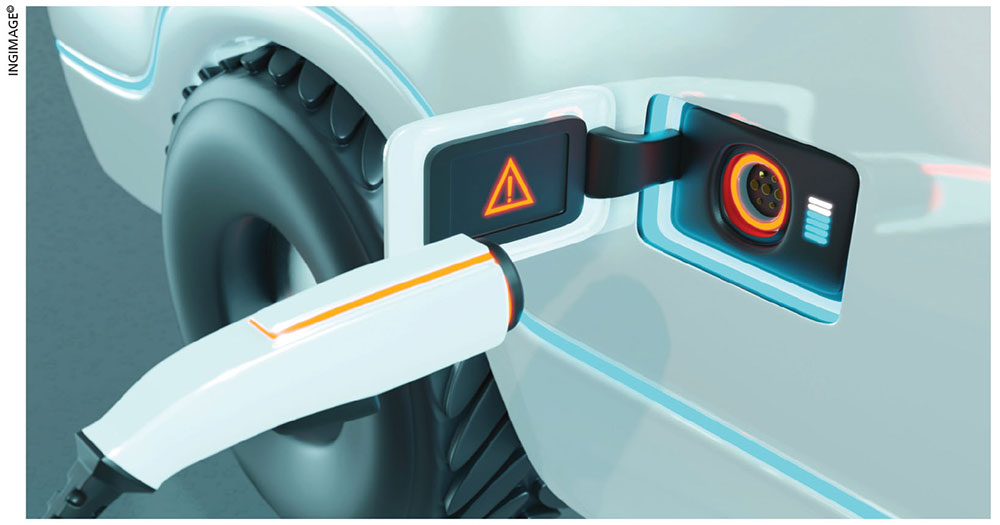
As electric vehicles (EVs) revolutionise global transportation, Sri Lanka’s EV market stands at a crossroads. With growing concerns about rising fuel costs, limited public charging infrastructure and complex tax structures, many potential buyers find themselves asking whether now is the right time to buy an electric vehicle – or should they wait?
A car comparison site and useful guide, cars.com unpacks everything from real world charging costs and battery longevity, to government tariffs and maintenance savings. Whether for city based commuters or rural travellers, discovering crucial insights and smart buying tips will help buyers make informed decisions.
The EV sector has rapidly gained momentum with popular models such as the BYD Atto 3, MG ZS and Hyundai Kona among others dominating showrooms.
Prices range widely from budget friendly Tata and BAW EVs priced at Rs. 7-10 million to premium models costing upwards of 14 million rupees. Crucially, they come with battery warranties ranging from three to eight years, and offer peace of mind despite Sri Lanka’s tropical climate issues.
Charging an EV incurs costs that vary drastically between home and public networks. Off-peak domestic charging is the most economical at around Rs. 2.62 for a kilometre while public DC rapid charging can cost nearly six times more – around 17.75 rupees.
Investing in rooftop solar panels can reduce these costs to nearly zero after the payback period; it remains a sustainable option supported by growing renewable energy adoption in the country.
Maintenance costs for electric vehicles are also substantially lower than those for internal combustion engine (ICE) vehicles, costing between Rs. 15,000 and 25,000 rupees annually, compared to Rs. 80,000-120,000 for ICE cars. This is mainly due to fewer moving parts and no oil changes.
The world has come a long way since the first electric vehicle in the late 19th centurywith the latest trends focussing on solid state batteries and wireless charging.
EVs emerged in the 1830s and became popular in the early 1900s for urban driving. But demand declined in the 1910s when Ford’s Model T made petrol cars affordable and accessible.
In the late 20th and early 21st centuries, environmental concerns and technological advancements spurred a renewed interest in electric vehicles. The latest EV trends now encompass all vehicle types such as cars, trucks and buses.
According to cars.com however, a 2023 Hyundai Kona EV was 51 percent more expensive than the corresponding petrol model. This reduces the appeal of EVs – especially among more price conscious consumers in emerging, developed or underdeveloped countries, where incomes tend to be much lower than in advanced economies.
Yet, Sri Lankans are beginning to shift gears because of the cost of fuel, environmental awareness or those tempting government import permits; and it’s becoming clear that going electric is no longer simply an option but a smart choice too.
The world has come a long way since the first electric vehicle in the late 19th century
Our love affair with electric vehicles didn’t begin overnight – it has been a slow buildup driven by necessity and curiosity in equal parts. High fuel prices have led many towards more economical alternatives; and with the global EV push reaching Southeast Asia, local interest has taken off.
But there’s more to this than simply economics due to an undeniable attraction. Electric vehicles are sleek, quiet and only need low maintenance – three aspects that typical ICE vehicle owners often struggle with. And more brands are entering the market in addition to BYD, which is one of the world’s leading EV manufacturers.
Then there’s the policy dimension: although it’s been somewhat ambiguous, the government’s permit structure and duty reductions for EV imports have made ownership more accessible – especially for state employees or those with special import privileges. Shifting to electric isn’t only about saving on fuel or jumping on the eco bandwagon.
To import an electric vehicle, a buyer needs a valid import permit (where applicable), a supplier’s invoice, export documents, a letter of credit or payment terms, customs clearance coordination and registration through the Department of Motor Traffic (DMT) when the vehicle arrives.
It’s very important to work with a reliable vehicle import agent because the paperwork and logistics are enough to make anyone’s head spin. Missing even a single customs requirement could delay delivery by weeks or months.
While BYD Atto 3 is turning heads for its balance of style, range and affordability, it’s not the only player in town.
What’s key here is not only brand loyalty but also finding the sweet spot between features, battery health for reconditioned EVs, price and charging compatibility.
Today’s tech revolution seeks remedies for dire consequences: electric vehicles to combat climate change; and self-driving cars, which may dramatically reduce collisions, injuries and even death.