
THE MARKET
CIC Agribusiness operates across Sri Lanka’s entire agriculture value chain from seeds, fertiliser and crop protection, to R&D, farmer advisory and downstream food products. It enjoys market leadership in all agri input categories – produced locally, and also through global partnerships with international players such as Syngenta, Yara and Corteva Agri Sciences.
The company works with farmers across the country while supporting over 10,000 outgrower farmers under a buyback agreement model. Its operations encompass key crop sectors such as paddy, maize, coconut, tea and sugarcane, combining modern agronomy and local knowledge to enhance yields and sustainability. CIC’s focus on quality, research and development, in addition to farmer empowerment, have positioned it as Sri Lanka’s foremost agribusiness.
ACHIEVEMENTS
The company has evolved from its agrochemical roots into Sri Lanka’s most diversified agribusiness, transforming the nation’s agricultural value chain. What began as a chemical supplier is now a company offering complete solutions – from seed to shelf – built on innovation, research and the revival of former state farms into model enterprises.
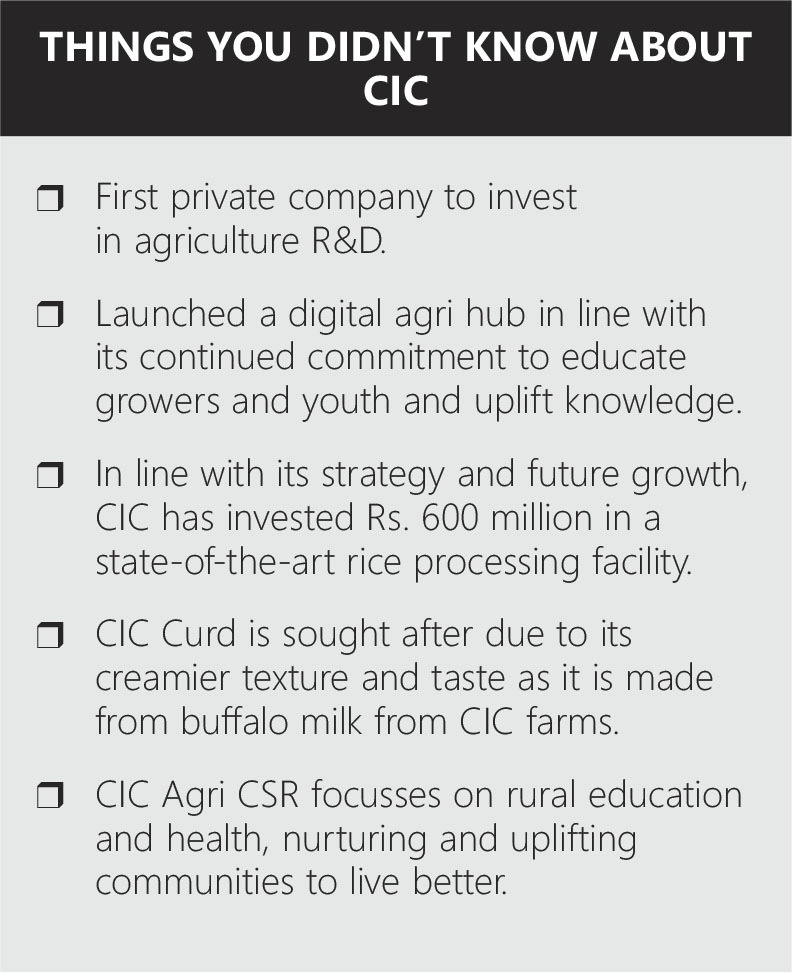
CIC became one of Sri Lanka’s first private investors in agricultural R&D, recruiting scientists to develop low glycaemic rice and premium aromatic varieties such as basmati and Thai jasmine. It also introduced hybrid seed lines comparable to imports, and established a nucleus and outgrower model that now engages over 10,000 farmers.
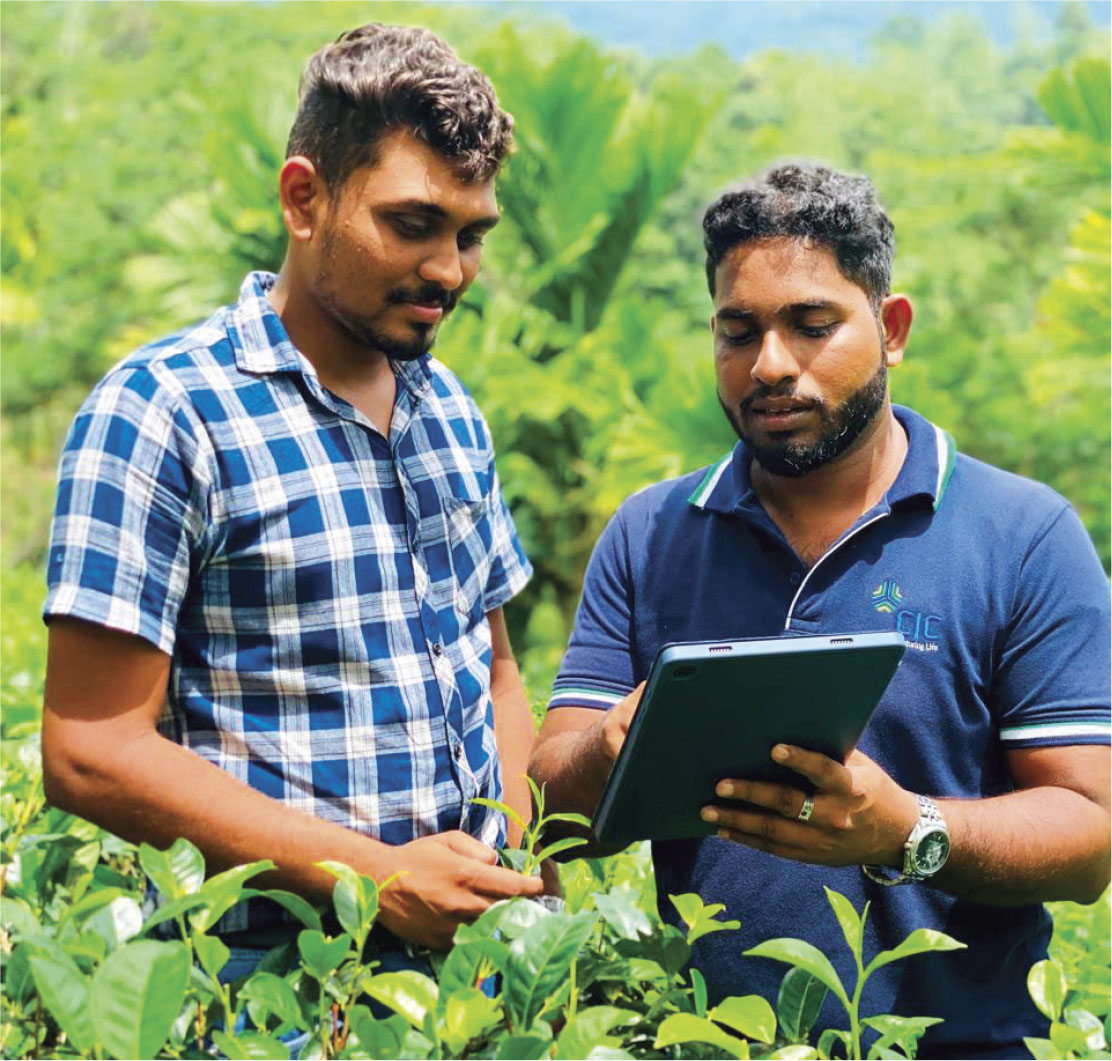
The company distinguishes itself by pairing sales with agronomy expertise and prioritising safer inputs – the majority of its crop protection range is classified in environmentally responsible Classes 3 and 4. Productivity enhancement programmes have achieved measurable results: tea smallholders increased yields by 20-25 percent, sugarcane by 30-40 percent and maize productivity doubled national averages.
CIC owned farms produce around 90 coconuts per tree annually, which is twice the national average. The company has also invested high-end capability and capacity to produce rice of superior quality and nutrition.
HISTORY
CIC’s agribusiness journey began in 1964 as a supplier of agrochemicals. In 1991, the company acquired British American Tobacco’s (BAT) fertiliser operation, making fertiliser a second key pillar alongside crop protection. A defining milestone came later in the decade, when CIC through the Public Enterprise Reform Commission leased and revived several loss making state farms as thriving models. This move added certified seeds to its portfolio and laid the foundation for an integrated agribusiness.
The farms included the largest privately managed dry zone operation in Hingurakgoda, focussing on seed paddy development and production, and a 750 acre farm in Dambulla – home to the company’s R&D canter, which also produces vegetable seed, fruits and perennials. CIC took the tougher road by embedding itself within rural communities – it faced early hostility but eventually gained respect as a company that stood beside farmers.
Its next leap was into private sector agricultural research. CIC recruited leading scientists and developed healthy rice varieties and high-yield hybrid seeds, establishing a strong domestic R&D base. It also introduced digital and precision technologies – drones, remote sensing and protected cultivation controls – and launched a farmer tech hub that allows growers to share images and receive expert guidance.
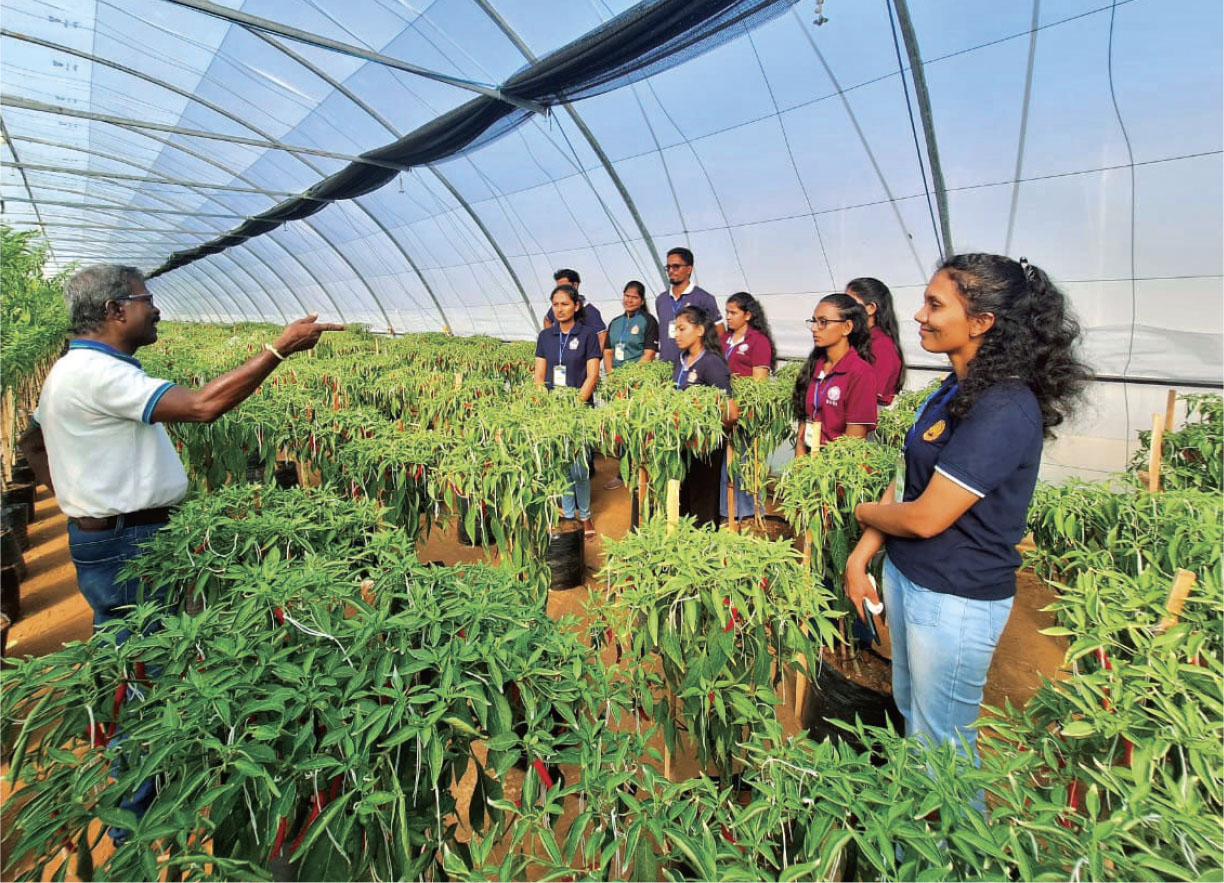
An integral and distinctive pillar in CIC’s agri journey has been the customised on ground technical training and support provided to farmers. It has engaged in a concerted effort to educate and onboard youth and the next generation of farming communities, by way of growing techniques and pilot projects, providing assurances to modernise and increase productivity and yields.
Its product portfolio grew from inputs to downstream lines: Golden Crop rice, CIC Dairies and Fresheez outlets. CIC also pioneered branding and variants in rice, to move consumers beyond generic samba rice. Internationally, it began exporting rice to ethnic markets and securing registrations in parts of Southern Africa. Throughout, the company has maintained its commitment to quality, transparency and sustainability, backed by global partnerships and safer product portfolios.

THE PRODUCT
CIC provides an end-to-end portfolio spanning seeds, fertiliser, crop protection, research and farmer advisory. Its seed range includes certified seed paddy and hybrid vegetable varieties developed through long-term R&D. Fertiliser offerings combine conventional nutrition with new generation plant nutrients and organo mineral blends that balance chemical and organic components.
The crop protection portfolio features over 70 percent of products classified in environmentally safer Classes 3 and 4, supported by partnerships with global innovators such as Syngenta. Through its Golden Crop rice, Dairies and Fresheez brands, CIC delivers trusted consumer products rooted in its own farms.
Technology remains central to its operations: its mobile tech hub connects farmers with agronomists while drones and remote sensing enhance field diagnostics and precision farming. Protected agriculture – through greenhouses and polytunnels – supports consistent climate resilient production. The nucleus and outgrower model links over 10,000 farmers through buyback agreements, ensuring stable markets, knowledge transfer and shared value creation.
Higher productivity for farmers, improving their livelihoods, and superior nutrition for consumers and the nation to nurture and uplift lives, form the dual purpose that governs every decision the company makes and every product it markets, from input to output.
RECENT DEVELOPMENTS
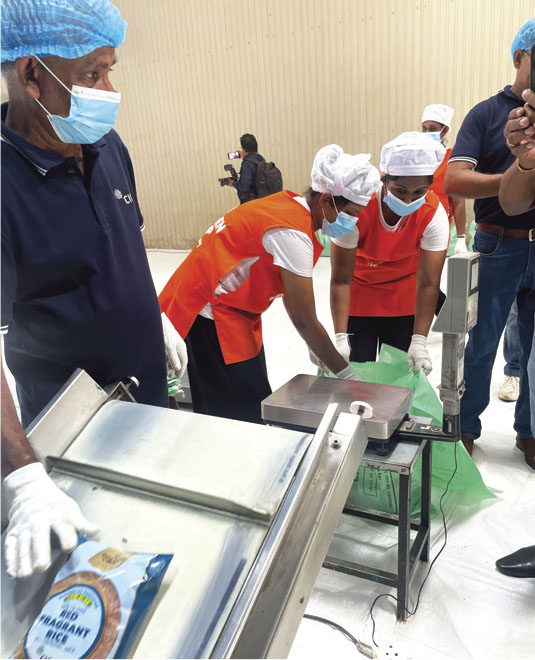
The company has commissioned a Rs. 600 million state-of-the-art rice processing facility using Japanese technology, doubling capacity and improving food safety and quality standards. Its tea smallholder programme to improve quality of tea leaves has advanced to factory level verification with 24 factories allocating separate withering troughs under Sri Lanka Tea Board oversight. This traceable model in its pilot stage has demonstrated the possibility of farmers commanding premiums of Rs. 10 to 50 per kilogramme.
It has pioneered the production of hybrid seeds in chilli, capsicum and eggplant enabling partial substitution of costly imported seeds. At policy level, CIC’s productivity demonstrations have influenced plans for a national programme under a public private partnership (PPP), initially focussing on paddy and maize. The company has also expanded its influence to support and upskill protected cultivation to around 800 growers, supported by financial partnerships with local banks.
Export expansion remains a priority: CIC is targeting mainstream retail markets such as Coles in Australia, exploring opportunities in the EU, and progressing hybrid seed trials in Bangladesh and India. Coconut and sugarcane productivity initiatives continue, benchmarking against top performing regional models in Kerala and India.
PROMOTION
CIC’s promotional approach is driven by on ground education and demonstration rather than traditional advertising. The company conducts structured field programmes, demonstration plots and production protocols, enabling farmers to experience results firsthand. Tea smallholders are organised into clusters led by trained leader farmers, creating peer learning and rapid adoption of technical and product knowledge.
Its tech hub mobile advisory enhances engagement by allowing growers to share field images and receive expert recommendations with complex issues escalated to research bodies. CIC collaborates with universities on baseline and follow-up studies, ensuring that outcomes are scientifically validated.
Public-private people partnerships with institutions such as the Tea Smallholder Development Authority, Coconut Cultivation Board and the Tea Research Institute (TRI) underpin its credibility. Beyond field promotion, CIC also builds consumer awareness through rice varietal branding while Fresheez outlets connect farm produce directly with urban consumers.
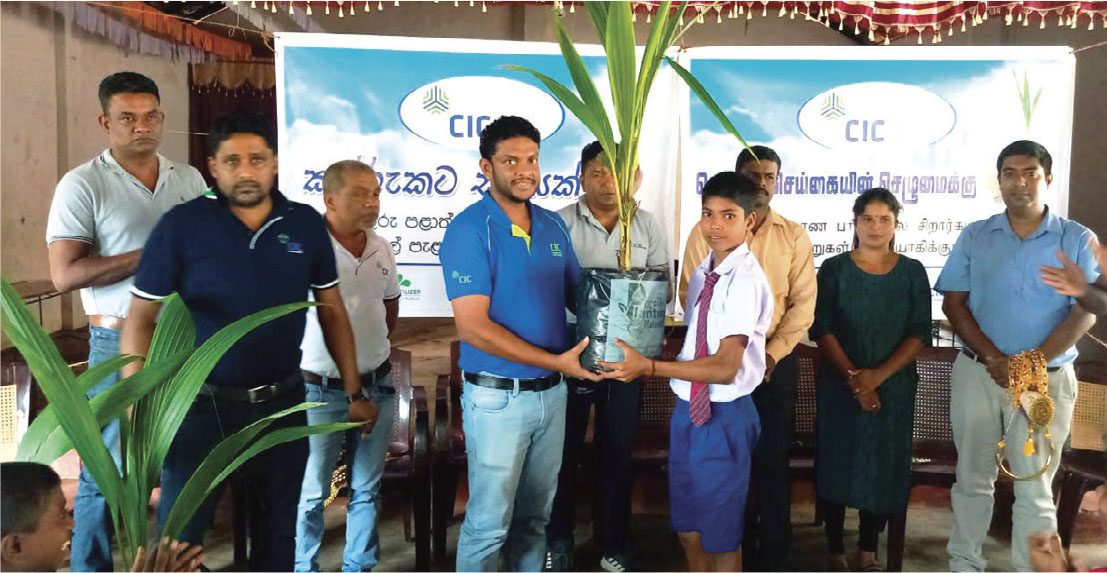
The company is committed to uplifting and nurturing lives of farmers and communities through CSR programmes. Modern educational support for rural schools in the form of smart classrooms and learning English, together with
a health focus both at community level, hospital upgrades and safe drinking water through purification for schools have enabled the company to strengthen community relations and reinforce brand trust.
BRAND VALUES
CIC’s philosophy is rooted in its group purpose of nurturing life. In agribusiness, this means empowering farmers, enhancing productivity and contributing to national food security. The brand stands for quality, authenticity and transparency – values reflected in products that maintain uncompromised standards.
Its stewardship mindset is evident in responsible crop protection practices, global standard partnerships and sustainable fertiliser solutions. CIC’s culture is anchored in public-private people collaboration, fostering trust with institutions
and farming communities alike.
The company’s core principles define its identity: ownership and accountability – taking responsibility for actions and results; teamwork and trust – relying on collective strength; integrity and respect – upholding honesty, legality and mutual regard; entrepreneurial and innovative – pushing boundaries and exploring new horizons; customer focus and quality – placing customers first and ensuring superior standards; and a bias towards action and the winning spirit – leaving no stone unturned in pursuing goals.
Innovation and accountability drive CIC’s operations, from data driven agronomy and drone technology to rigorous record keeping. Its community investments in rural education, health and clean water reflect a belief that agricultural progress and social wellbeing must advance together. Through these values, CIC embodies science, ethics and compassion, helping farmers, consumers and the nation cultivate sustainable prosperity.