BAJAJ

THE MARKET
Bajaj is the market leader in Sri Lanka’s motorcycle and three-wheeler segments; and it’s synonymous with cost-effective and reliable last mile transportation. The brand remains the preferred choice for everyday mobility, offering affordability, durability and value. Its leadership is reflected in strong market performance with an estimated 80 percent share of the motorcycle market and around 90 percent of the three-wheeler segment.
Beyond sales and market share, Bajaj’s strength lies in trust and long-term customer commitment. Through David Peiris Motor Company (DPMC), the brand operates Sri Lanka’s largest after sales service network, supported by dedicated teams focussed on customer care and after sales support.
ACHIEVEMENTS
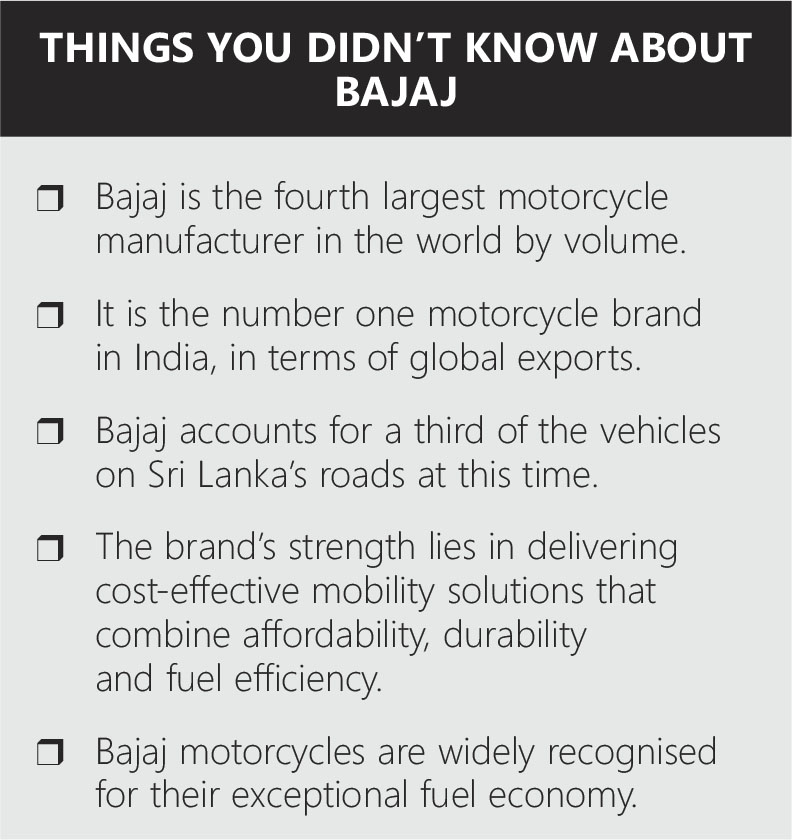
At present, one out of every three vehicles on Sri Lanka’s roads is a Bajaj, underscoring the scale, consistency and sustainability of the brand’s growth. With touchpoints located within a few kilometres of almost any location, Bajaj has embedded itself deeply into the country’s mobility landscape.
Despite competing against some of the world’s renowned motorcycle brands, Bajaj has emerged as Sri Lanka’s number one motorcycle brand, outperforming its global peers in the local market. Reflecting this achievement, DPMC has been recognised multiple times as one of Bajaj’s top international distributors among more than 100 countries worldwide.
Operational excellence strengthens this leadership: DPMC teams have consistently excelled at global Bajaj skill competitions, placing Sri Lanka among the company’s highest performing markets. So effective is the local operating and service framework that Bajaj now uses the Sri Lankan model as a benchmark, guiding distributors in other markets.
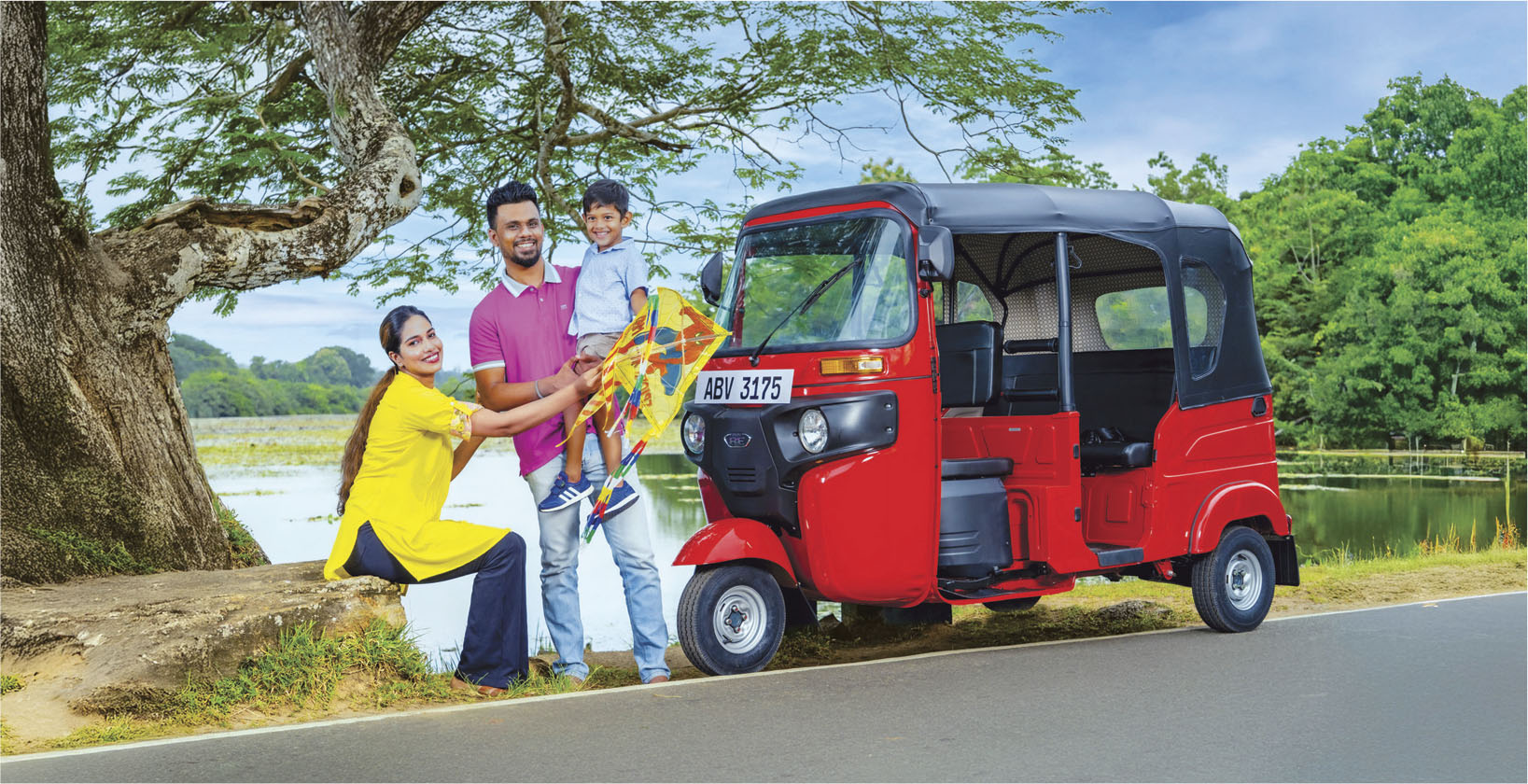
Another distinctive achievement has been the successful repositioning of Bajaj as a family oriented brand, particularly in the three-wheeler segment with an estimated 50 percent used primarily by families.
Bajaj’s impact extends beyond sales into industrial development. Motorcycle assembly began locally in 2014, paused due to policy changes and was relaunched following COVID-19’s import restrictions.
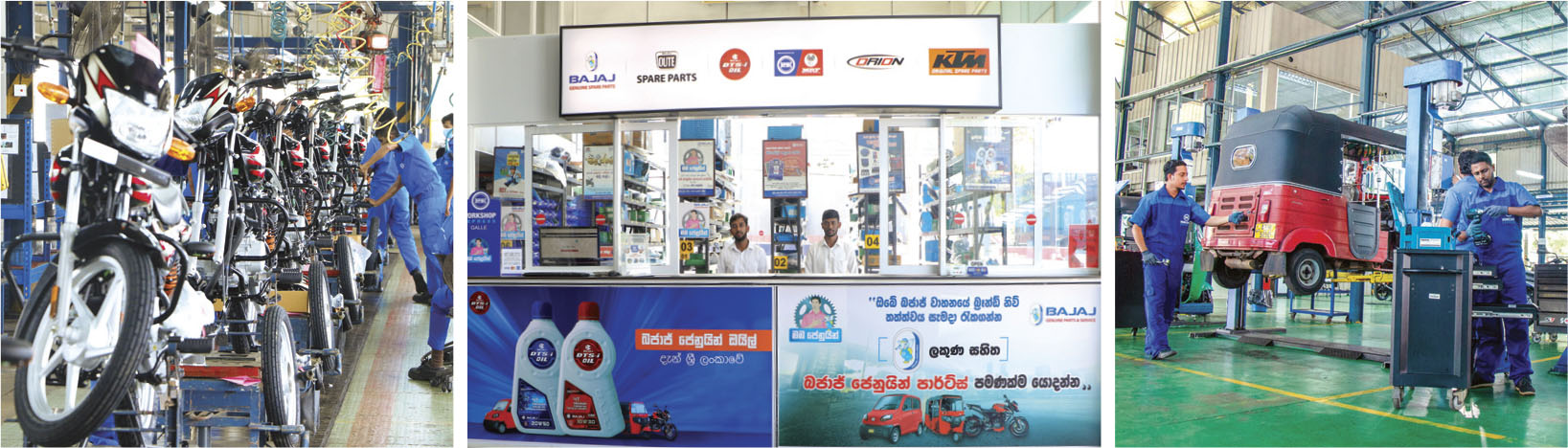
DPMC is the first company to start assembling motorcycles in Sri Lanka with locally manufactured components under the local value addition programme introduced by the Ministry of Industry in 2023. Today, three models are manufactured at DPMC’s Manufacturing Complex in Ranna, Hambantota, incorporating more than 90 locally produced components.
Aligned with Sri Lanka’s development priorities and the United Nations Sustainable Development Goals (UNSDGs), Bajaj contributes meaningfully to economic inclusion through road safety programmes, Sri Lanka’s first free vehicle emission testing initiative, structured waste management, solar energy adoption and a manufacturing facility recognised as the country’s first net zero energy facility.
HISTORY
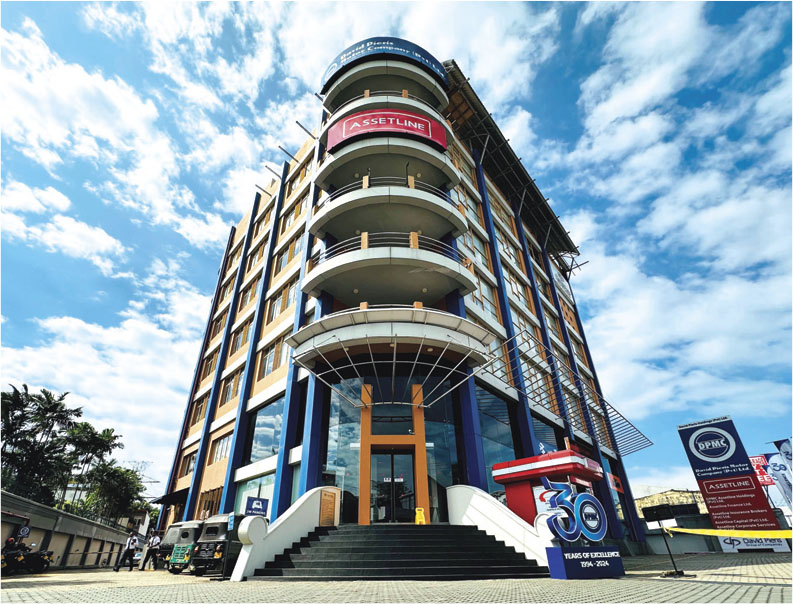
Bajaj’s success is deeply-rooted in a long-standing partnership with DPMC, which dates back to 1978 when Bajaj three-wheelers were first introduced to Sri Lanka. What began under a different corporate structure evolved over time, culminating in the formation of DPMC as an independent entity in 1994. Over the past three decades, this partnership has worked relentlessly to establish and sustain Bajaj as the country’s leading motor vehicle brand.
The story of Bajaj in Sri Lanka however, stretches further back to 1978 when three-wheelers first appeared in the country. At the time, the concept was unfamiliar and largely dismissed with urban transport dominated by taxis, particularly in Colombo.
It was David Pieris, the founder of DPMC, who recognised the vehicle’s transformative potential. To build public confidence, he led by example by personally driving a Bajaj three-wheeler, demonstrating its safety and reliability. This simple but powerful act helped shift public perceptions and build trust.
DPMC pioneered vehicle assembly in Sri Lanka by introducing the country’s first automated, ‘conveyorised’ assembly line, at a time when local assembly was virtually unheard of. A further turning point came in 1998, when DPMC won a government tender to supply 500 motorcycles, proving Bajaj’s and DPMC’s ability to meet demanding operational and geographic requirements.
This success validated DPMC’s growing after sales service network, deliberately built to support customers islandwide. From the outset, the company has ensured spare parts availability, trained technicians and established nationwide service facilities before introducing any model – a discipline embedded by the founder and upheld to this day.
THE PRODUCT
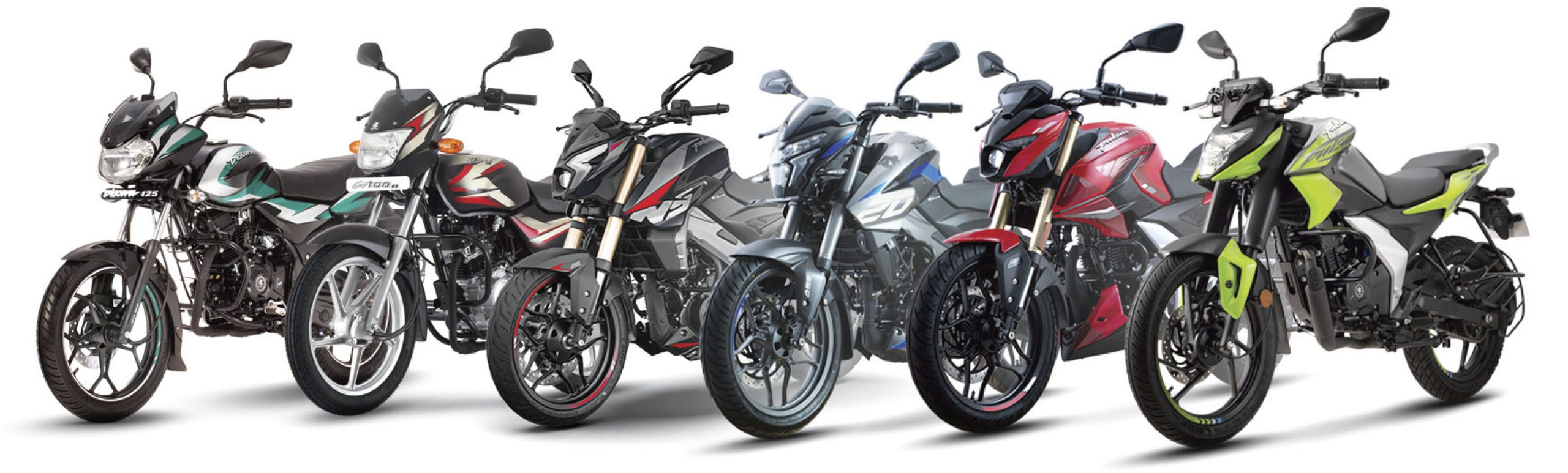
Bajaj’s success in Sri Lanka is built on three core pillars – viz. sales, service and spare parts – strengthened by mobility solutions tailored to local needs. Bajaj has become indispensable across the country, from urban centres to remote rural communities, offering a unique balance of affordability, durability and earning potential. It indicates that Bajaj isn’t merely a transport solution but a driver of economic mobility.
The broader socioeconomic impact of this vision is significant. An idea first championed by David Pieris – i.e. that mobility could transform lives – now supports over five million people nationwide. Nearly two million individuals are employed directly and indirectly through the Bajaj ecosystem with entire families dependent on the livelihoods it enables.
Studies indicate that ownership of a Bajaj vehicle enables operators to rise above the poverty line within months. With modest upfront investment, individuals can earn a steady monthly income, lifting families out of poverty without relying on subsidies or welfare programmes.
Viewed holistically, the Bajaj value chain supports over five million beneficiaries across the nation. This far-reaching influence underscores Bajaj’s role not only as a brand but a transformational force in Sri Lanka’s social and economic landscape.
RECENT DEVELOPMENTS
The local value addition programme undertaken by Bajaj and DPMC in Sri Lanka is one of the company’s most notable initiatives in recent years. When COVID-19 struck and vehicle imports were subsequently restricted, much of the motor industry came to a standstill.
With the support of the Ministry of Industry the company launched a local value addition programme, becoming the first international brand to resume motorcycle use in the country during the COVID-19 period. This initiative required a complex and time intensive process of capability building and knowledge transfer to local vendors.
Today, Bajaj manufactures three motorcycle models locally, incorporating over 90 Sri Lankan made components, giving it the highest number of locally value added models in the market. The facility is also fully equipped to commence three-wheeler assembly with locally manufactured components including infrastructure and technical capabilities already in place.
Beyond motorcycles, the same manufacturing complex supports value addition for other vehicle categories, demonstrating the operation’s scalability and its potential to extend local manufacturing to new segments including four-wheelers, where no comparable initiatives currently exist.
At a time when the industry contracted, Bajaj’s investment in local manufacturing ensured business continuity, safeguarded jobs, and strengthened domestic automotive components and assembly industry capabilities.
PROMOTION
Bajaj operates on a philosophy that reaches far beyond selling vehicles, ensuring that every vehicle is backed by a complete lifecycle ecosystem with more than 2,000 touchpoints across the country.
This commitment is reflected in Bajaj’s nationwide footprint. With sales outlets, service centres and parts distributors spanning the island – from the north and east to the south – the brand has achieved near total geographic coverage, ensuring customers are never far from support.
A defining strength of Bajaj motorcycles in Sri Lanka is fuel efficiency. Over the past two decades, the brand has built a strong reputation for producing some of the most fuel economical motorcycles in the world, many of which remain in daily use locally. Leadership is reinforced by continuous technological advancement.
Since the early 2000s, Bajaj has introduced multiple engine platforms that have enhanced performance, efficiency and durability. Notably, the brand has maintained its number one market position relying solely on motorcycles.
Beyond mobility, Bajaj plays a vital role in social and economic connectivity, enabling access to employment, education and essential services. Bajaj is now poised to enter the electric mobility space with the introduction of electric two-wheelers and three-wheelers in the near future.
BRAND VALUES
For Bajaj, affordability is the starting point of every decision. Products are designed to deliver clear value for money and remain economically viable for customers in the most price sensitive segments of the market.
DPMC continues to service and supply spare parts for 30 year old Bajaj vehicles, reflecting a level of long-term commitment that remains unmatched in the industry. In contrast, many competing brands struggle with parts availability and after sales support – often, this is evident in customer dissatisfaction expressed on social media platforms.
Bajaj’s resilience during periods of disruption reinforces this approach. During import restrictions, when vehicle sales came to a halt and many operators exited the market, Bajaj continued to meet its obligations and sustained operations – well before local value addition programmes were introduced. This endurance was driven not by short-term sales but a business model anchored in trust, service continuity and financial discipline.
Across all levels of management, the principle is non-negotiable: every product must be affordable, offer genuine value and be backed by dependable service. Without these fundamentals, Bajaj does not consider the business sustainable.