
APPLE
ICONIC BRANDS
REDEFINING INNOVATION
Blending form and function to make tech simple, personal and powerful
Compiled by Tamara Rebeira
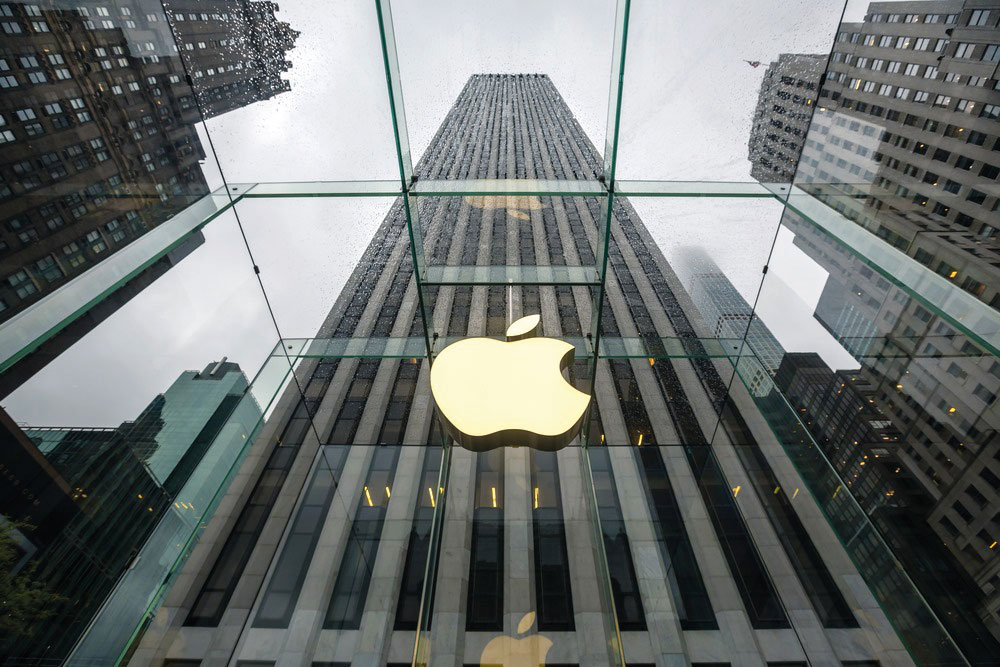
From a small suburban garage in Cupertino to becoming one of the most influential brands in history, Apple has redefined the way the world works and communicates. Apple is more than a tech company; it is a cultural phenomenon, shaping lifestyles and revolutionising personal computing, mobile devices and digital entertainment.
GARAGE BEGINNING Apple’s story began in 1976, when Steve Jobs, Steve Wozniak and Ronald Wayne set out to create a personal computer that would challenge the status quo.
Their first creation, the Apple I, was a modest wooden box computer that hinted at the promise of a new era in computing. But it was the Apple II, launched in 1977, that became a commercial success, bringing personal computers into homes and classrooms – and placing Apple firmly on the map.
The early 1980s saw Apple introduce the world to the Macintosh, the first widely marketed personal computer with a graphical user interface. The Mac’s user-friendly design positioned Apple as a bold alternative to the norm. Though the company experienced turbulence in the late 1980s and early ’90s, its strong foundation in innovation and design paved the way for a dramatic comeback.
REVOLUTION THROUGH DESIGN Apple’s modern success story began in 1997, when Steve Jobs returned to the company he co-founded.
His vision was clear: technology should not only work flawlessly; it should also inspire. The launch of the iMac in 1998 marked Apple’s return to design led success with its colourful, translucent shell becoming an instant icon.
The real transformation however, came with the early 2000s and the birth of the ‘i’ era. The iPod in 2001 reimagined music consumption, putting 1,000 songs in our pockets and propelling Apple to the forefront of digital entertainment. Then came the iTunes Store, which disrupted the music industry by offering a new way to purchase and enjoy songs, both legally and conveniently.
But the iconic shift came in 2007 with the introduction of the iPhone. Combining the phone, music player and internet device, the iPhone was more than a gadget; it was a gateway to a new digital lifestyle.
It changed the way people communicate, work and interact with the world, by expanding the App Store and empowering developers and creating new industries. In 2020, the iPad extended Apple’s influence into personal and professional spaces, further embedding the brand into daily life.
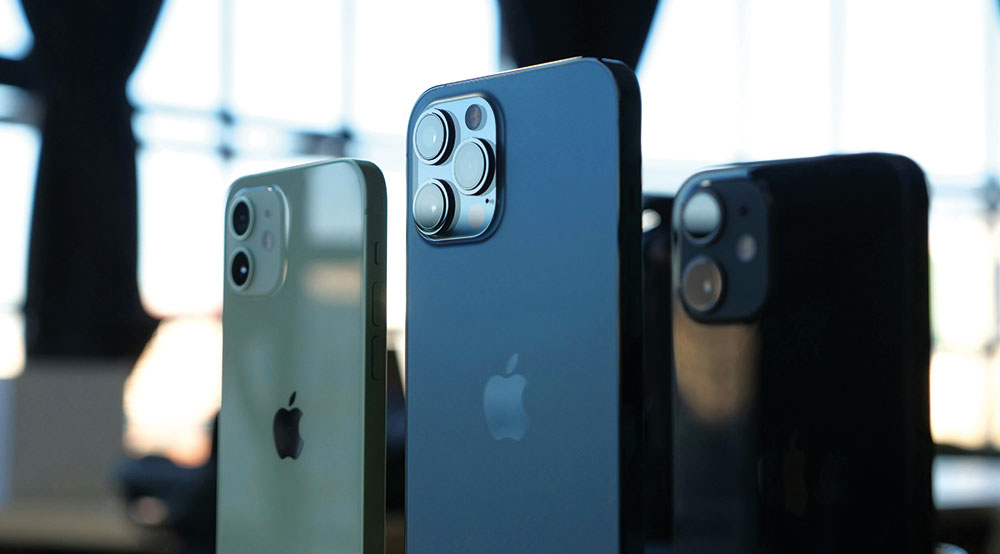
GLOBAL FOOTPRINT Apple’s influence extends far beyond its products. With sleek minimalist designs and an emphasis on user experience, Apple has shaped global trends in aesthetics, branding and retail experiences.
Globally, its products are synonymous with quality, prestige and innovation. The brand has built a loyal customer base with the iPhone becoming a status symbol and the Mac a staple among creative professionals.
Moreover, Apple has left a profound mark on popular culture and its product launches are viewed as major global events. In many ways, Apple has become a symbol of modern life – embodying ambition, creativity and the pursuit of simplicity in an increasingly complex digital world.
PURPOSE AND FUTURE At the heart of Apple’s enduring success is a deep-rooted commitment to innovation, simplicity and user centric design – principles instilled by Steve Jobs.
He believed that technology should feel intuitive and personal. And as Jobs famously said, “design is not just what it looks like and feels like. Design is how it works.”
Jobs wasn’t merely a product visionary; he was a master storyteller, marketer and perfectionist who obsessed over details most others would overlook. His influence brought depth to Apple’s products, instilling them with a sense of personality and purpose.
After Jobs’ passing in 2011, the company entered a new era under Tim Cook, who took over as CEO. While quieter and more operational in style, Cook brought his own strengths to the role – he scaled Apple into a trillion dollar enterprise while expanding its global supply chain, and extending its focus on privacy, sustainability and ethical practices.
Under Cook, Apple has broadened its ecosystem with services such as Apple Music, Apple Pay, Apple TV+ and iCloud, while continuing to evolve its hardware lines with devices such as the Apple Watch, AirPods and the M1 chip powered Macs.
Cook has also steered Apple towards becoming a leader in environmental responsibility, committing to carbon neutrality across its entire business and product life cycle. Apple now uses 100 percent renewable electricity across its global facilities and continues to pursue innovation.
Moreover, Apple’s stance on data privacy and user security has emerged as a major differentiator in the tech space, reflecting Cook’s belief that privacy is a fundamental human right.
Today, Apple is venturing into new territories such as augmented reality (AR), wearable technology and AI.
Whether shaping the future of health through wearable tech or advancing personalised experiences through artificial intelligence, Apple remains committed to innovation that improves life – not complicates it.