SOAPBOX
Letter of the Month
A NEW GOLD STANDARD
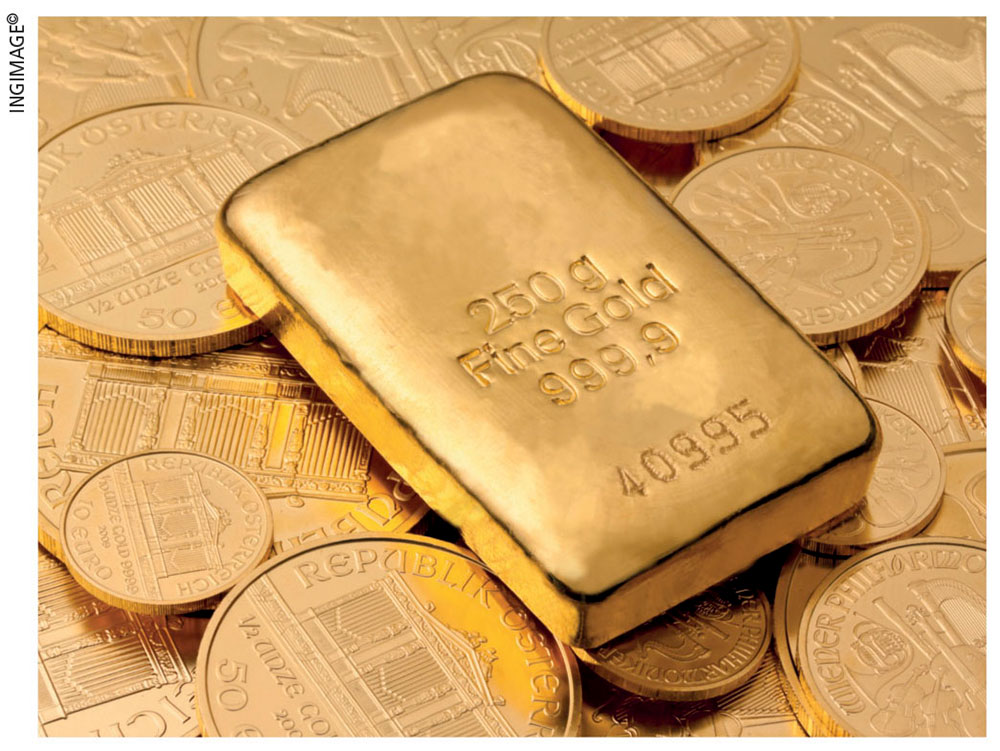
In a historic moment for global markets, gold soared past an astonishing US$ 135 a gramme (4,158 dollars an ounce) on 22 October and marked the first time since the 1970s that the precious metal has experienced such a powerful rally.
Once considered a timeless store of value, gold has once again proven its dominance not merely as a hedge against inflation but also as a global signal of shifting trust and changing tides in the world economy.
Traditionally, during times of political or economic turbulence, investors would flock to the US Dollar and stateside treasuries for safety. A growing number of emerging market central banks are rewriting that playbook, however; instead of turning to the dollar, they’re increasingly resorting to gold… by buying and holding it as a secure reserve asset.
According to Bloomberg News, the rally in gold reflects deep structural changes in global finance. Silver too has joined the surge and recently reached its highest price (US$ 1.58 a gramme on 22 October) in nearly four decades.
But gold’s ascent tells a larger story about confidence, power and the future of global money.
Many experts view gold as an indicator of the world’s economic health. Since international divisions are deepening and markets are growing uneasy, gold has once again become the asset of choice.
The appeal of gold lies in its simplicity: it is valuable, liquid and universal. Since the turn of the millennium, it has outperformed equities and most other asset classes, and reinforced its reputation as the ultimate hedge against uncertainty.
For decades, the dollar was trusted by nations, investors and central banks alike. Yet, recent years have seen that faith waver.
The greenback experienced its sharpest six month decline in 50 years while gold recently surged to record highs. And the underlying reason is clear: a loss of global confidence in the American government and its fiscal stability.
A major turning point came when the Group of Seven (G7) nations froze the Russian central bank’s assets held in Europe following the invasion of Ukraine. This move sent shockwaves through the international community, and prompted countries such as India and China to rethink their reliance on the dollar.
Many central banks began diversifying away from US Dollar holdings to protect themselves from potential future sanctions.
Central banks that once sold hundreds of tonnes of gold annually are now buying over 1,000 tonnes annually – for the third consecutive year. The biggest buyers are China, India and the Czech Republic, with Beijing leading the charge as the world’s largest consumer and producer of gold.
The People’s Bank of China (PBC) has been particularly strategic, and reduced its dollar reserves by converting them to gold to strengthen its financial autonomy. This shift underscores the country’s long-term ambition to reshape the world monetary order in its favour.
In 2000, the dollar accounted for nearly three-quarters of the world’s foreign exchange reserves. That share continues to fall, eroded by tariffs, inflation and geopolitical sanctions. Meanwhile, gold has become a symbol of resistance and resilience.
Some analysts caution that a peace deal between Russia and Ukraine or a reversal of US trade tariffs could temper the momentum of gold. But financial institutions such Goldman Sachs predict that the accumulation of gold by central banks will persist and drive further gains in the long run.